
Best Kitchen Backsplash Ideas and Materials for 2026
Kitchen backsplashes have evolved from a simple protective surface behind the counter into one of the most important design features in modern kitchens. In many remodels, the backsplash serves as the visual bridge between the cabinetry, countertops, and lighting, helping to define the overall style of the space.
Heading into 2026, homeowners in Portland and Vancouver are increasingly choosing backsplash materials and patterns that add texture, depth, and durability while complementing the rest of the kitchen design. Whether you are planning a full kitchen remodel or simply updating the wall behind your counters, understanding the latest backsplash trends and material options can help you make a better long-term decision.
This guide covers the most popular kitchen backsplash ideas for 2026, the materials homeowners are choosing most often, and how to select the right backsplash for your kitchen.
What Are the Most Popular Kitchen Backsplash Ideas in 2026?
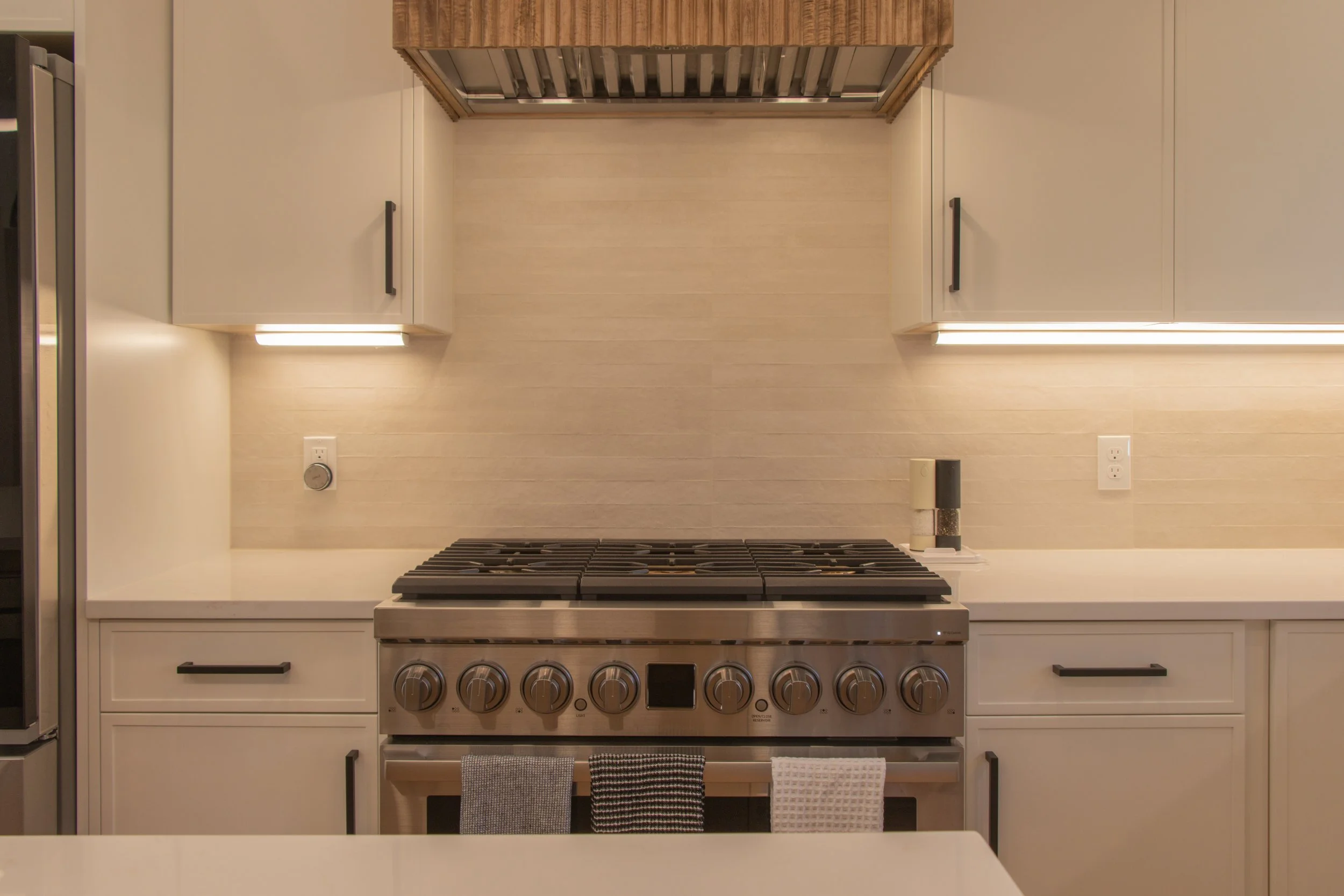
The most popular kitchen backsplash ideas in 2026 focus on natural materials, textured tile patterns, and full-height designs that extend to upper cabinets or ceilings. Ceramic and porcelain tile remain the most widely used backsplash materials because they are durable, versatile, and easy to maintain.
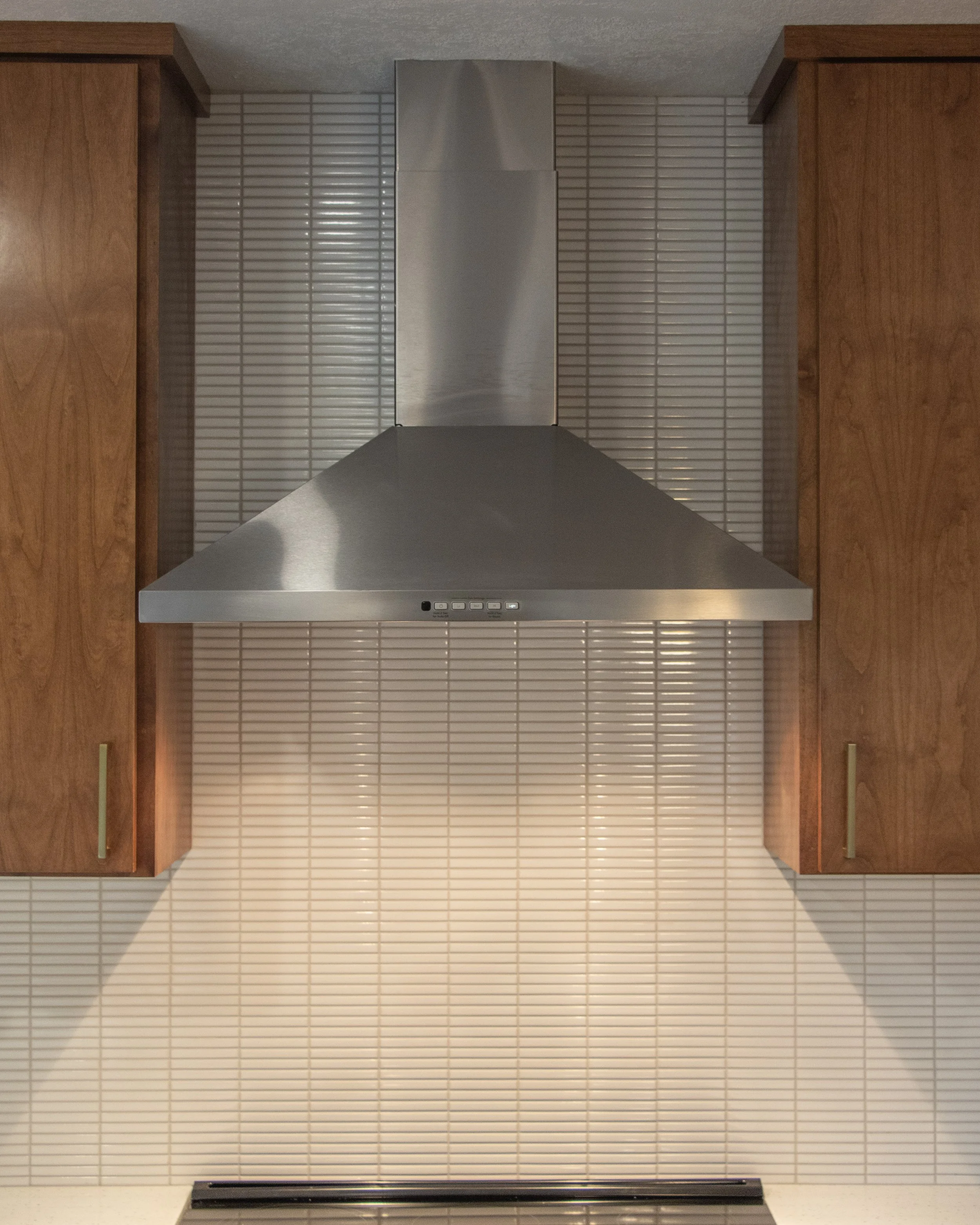
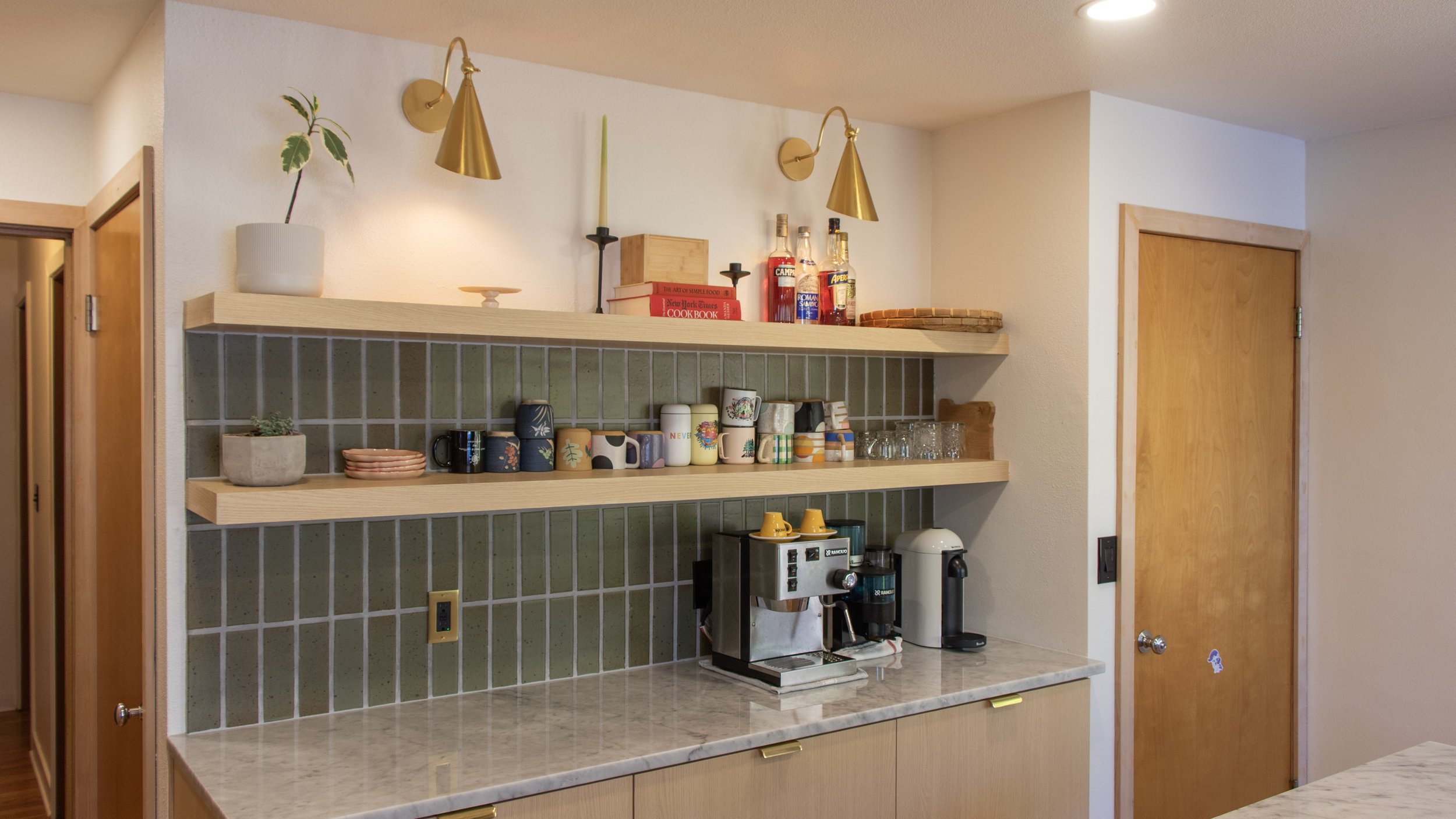
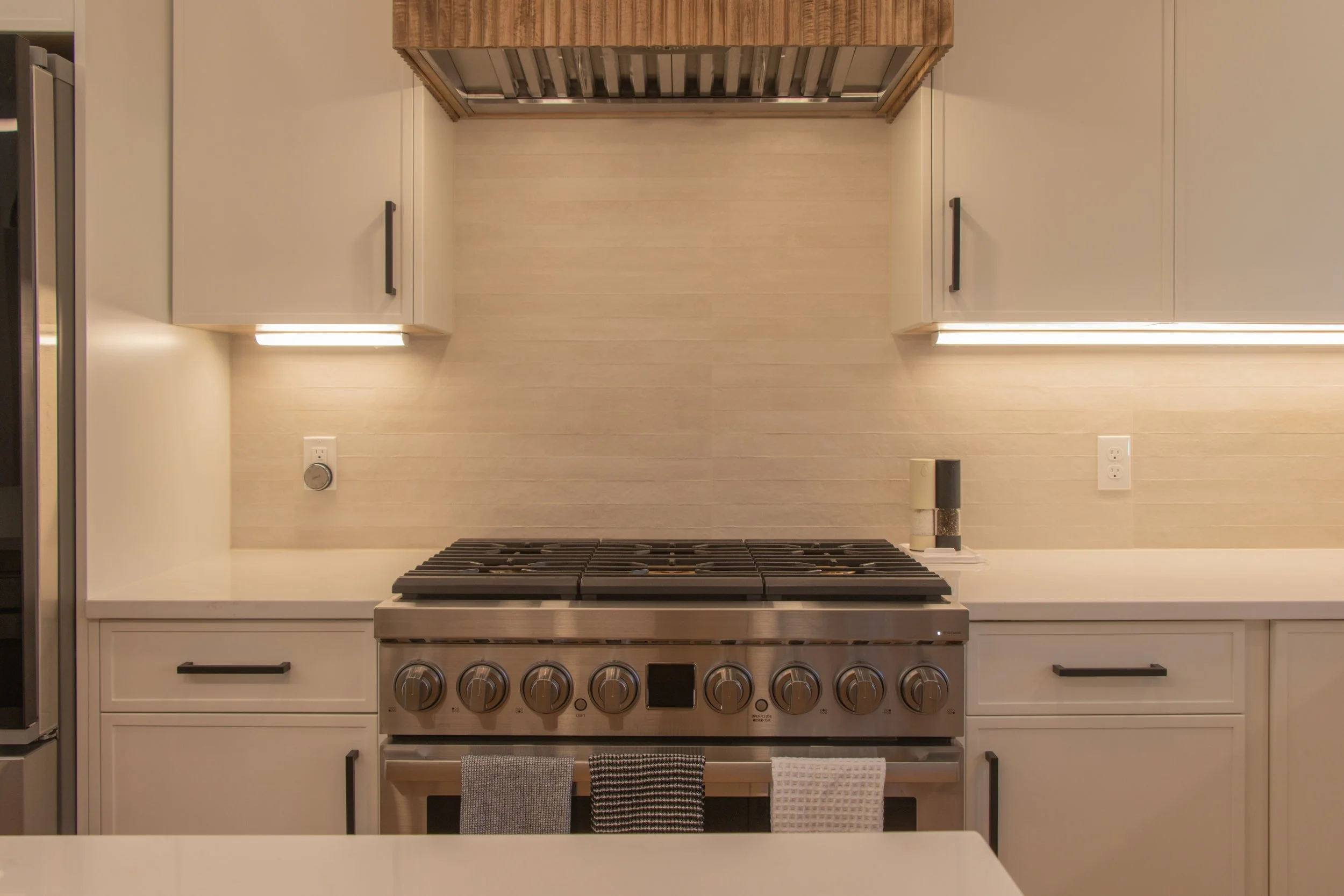
Many homeowners are also choosing natural stone and quartz slab backsplashes, as well as vertical tile layouts, to create a more modern kitchen aesthetic. Patterns such as stacked subway tile and herringbone layouts continue to grow in popularity because they add visual interest without overwhelming the overall design.
In homes in Portland and Vancouver, lighter neutral tones and natural stone backsplashes are especially common because they reflect light well and complement the Pacific Northwest’s natural design influences.
How to Choose the Right Kitchen Backsplash
Before selecting a backsplash style, it helps to understand the factors that influence the best material and layout for your kitchen.
Durability and Maintenance
Different backsplash materials require different levels of maintenance. Ceramic and porcelain tile are popular because they are durable and easy to clean. Natural stone backsplashes can create a beautiful look, but may require sealing and additional maintenance over time.
Grout lines are another important factor. Highly patterned tile backsplashes often have more grout joints, which may require more frequent cleaning and periodic sealing.
Cost and Installation Complexity
Kitchen backsplash installation costs vary depending on the material, tile pattern, and the condition of the wall behind the backsplash.
Simple stacked tile installations are generally more affordable, while patterns such as herringbone layouts or geometric designs require more labor and precision. Slab backsplashes made from quartz or natural stone may also increase installation costs due to fabrication and cutting requirements.
Design Compatibility
A backsplash should complement the rest of the kitchen design. Cabinet color, countertop materials, and lighting all influence which backsplash styles work best.
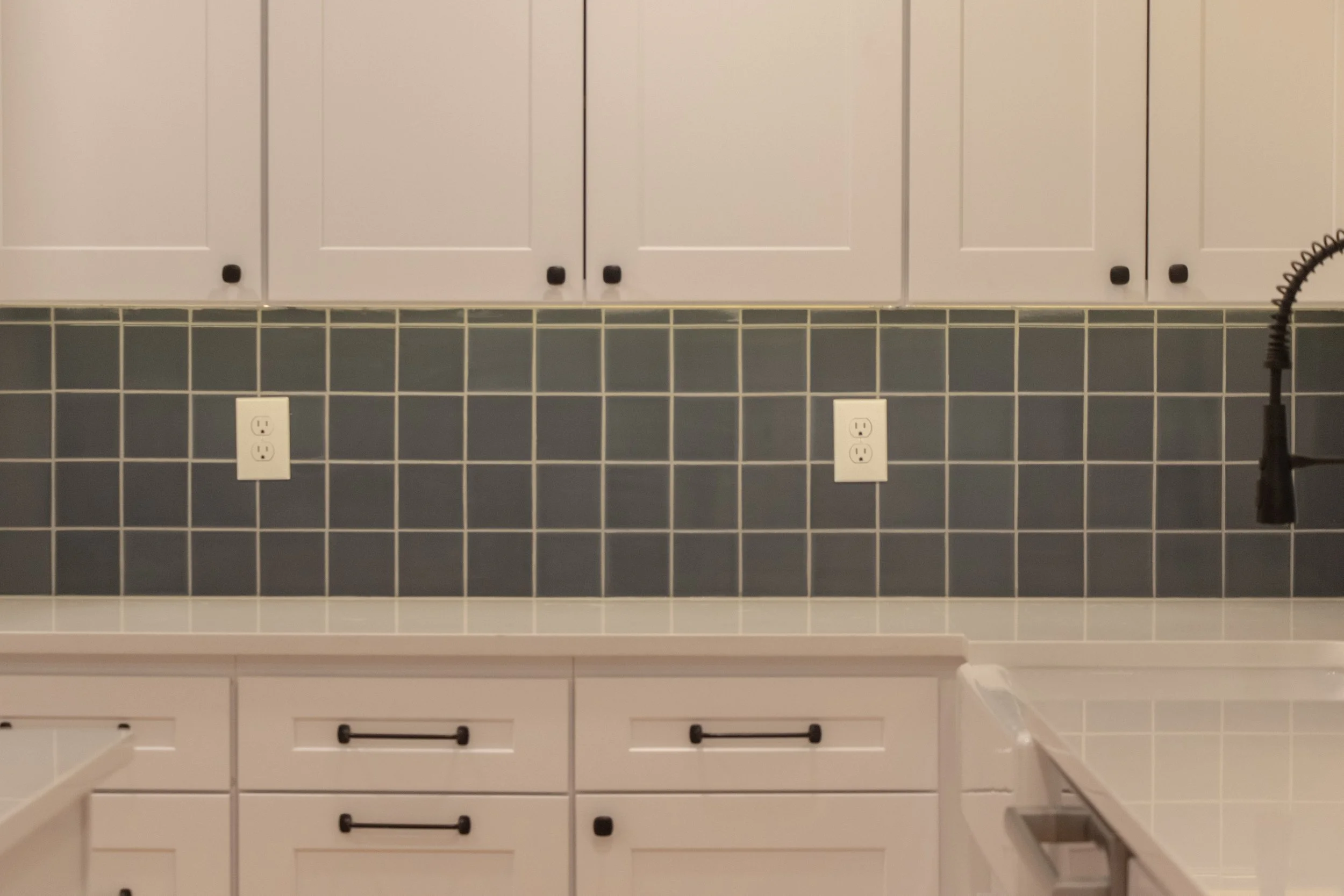
For example, kitchens with white cabinets often benefit from subtle texture in the backsplash to avoid an overly monochromatic look.
| Material | Durability | Maintenance | Style Fit |
|---|---|---|---|
| Ceramic Tile | High | Low | Classic and modern kitchens |
| Porcelain Tile | Very High | Low | Contemporary kitchens |
| Natural Stone | High | Moderate | Luxury and organic kitchens |
| Glass Tile | Moderate | Low | Modern kitchens |
| Quartz Slab | Very High | Very Low | High-end remodels |
| Metal | Very High | Very Low | Industrial and modern kitchens |
Each backsplash material has advantages depending on the kitchen layout, maintenance preferences, and overall design goals.
Best Kitchen Backsplash Materials in 2026
While trends evolve over time, several backsplash materials remain consistently popular because of their durability and versatility.
Ceramic and Porcelain Tile Backsplashes
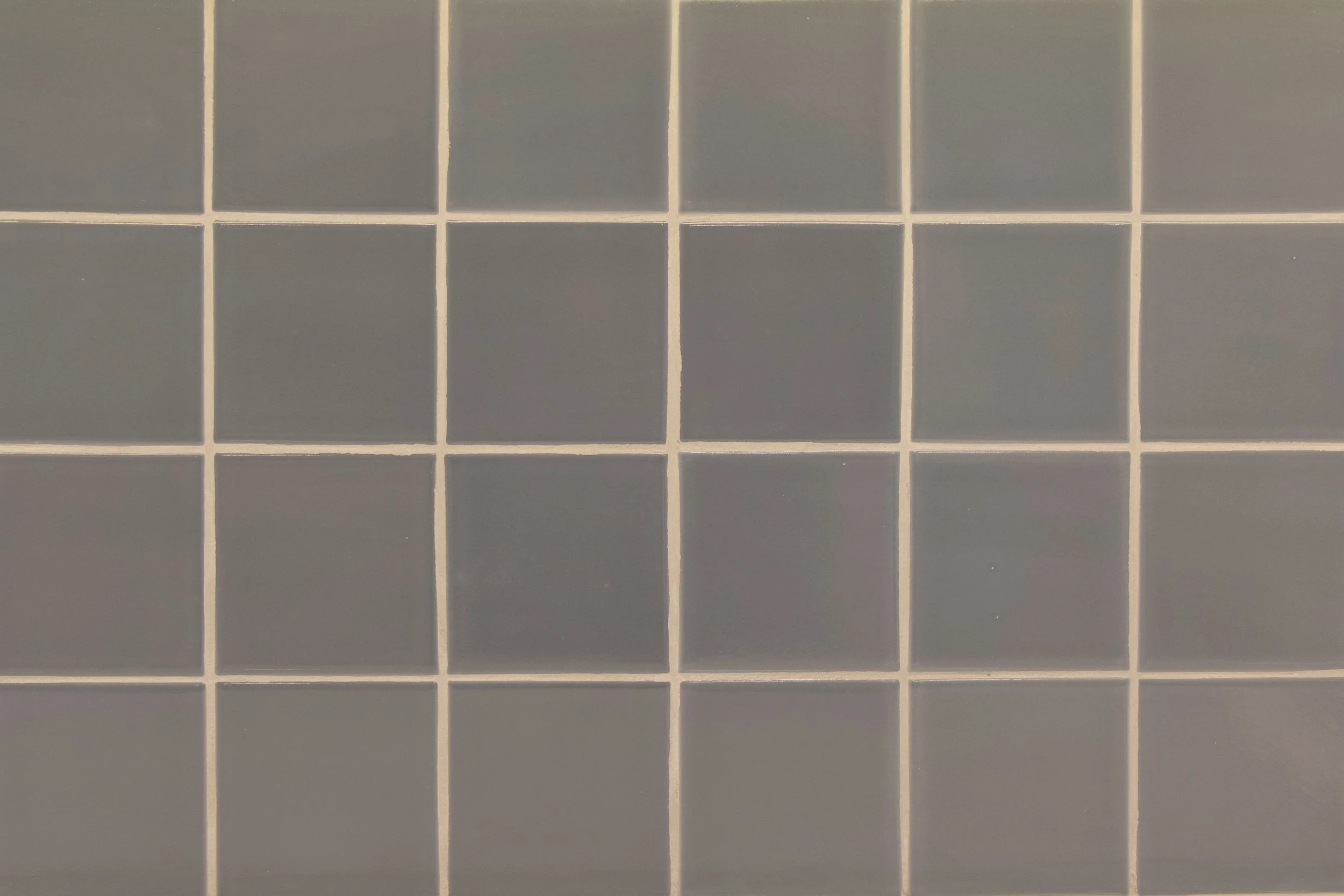
Ceramic tile remains one of the most widely used backsplash materials due to its affordability and wide range of design options. Porcelain tile offers similar benefits but is typically denser and more moisture-resistant.
Both materials work well in kitchens where easy cleaning and durability are priorities.
Best for: homeowners seeking a versatile, cost-effective backsplash option.
Subway Tile Kitchen Backsplashes
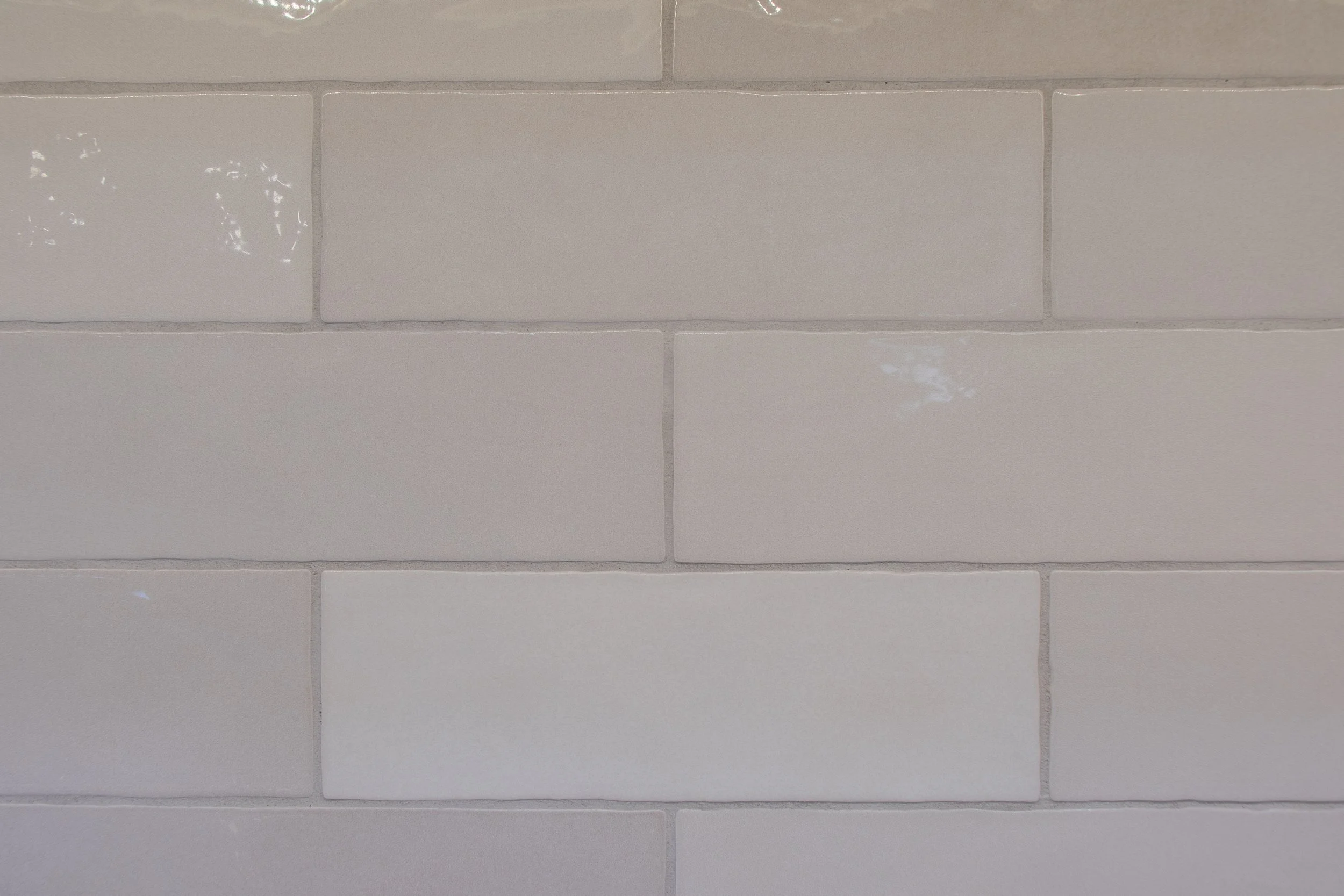
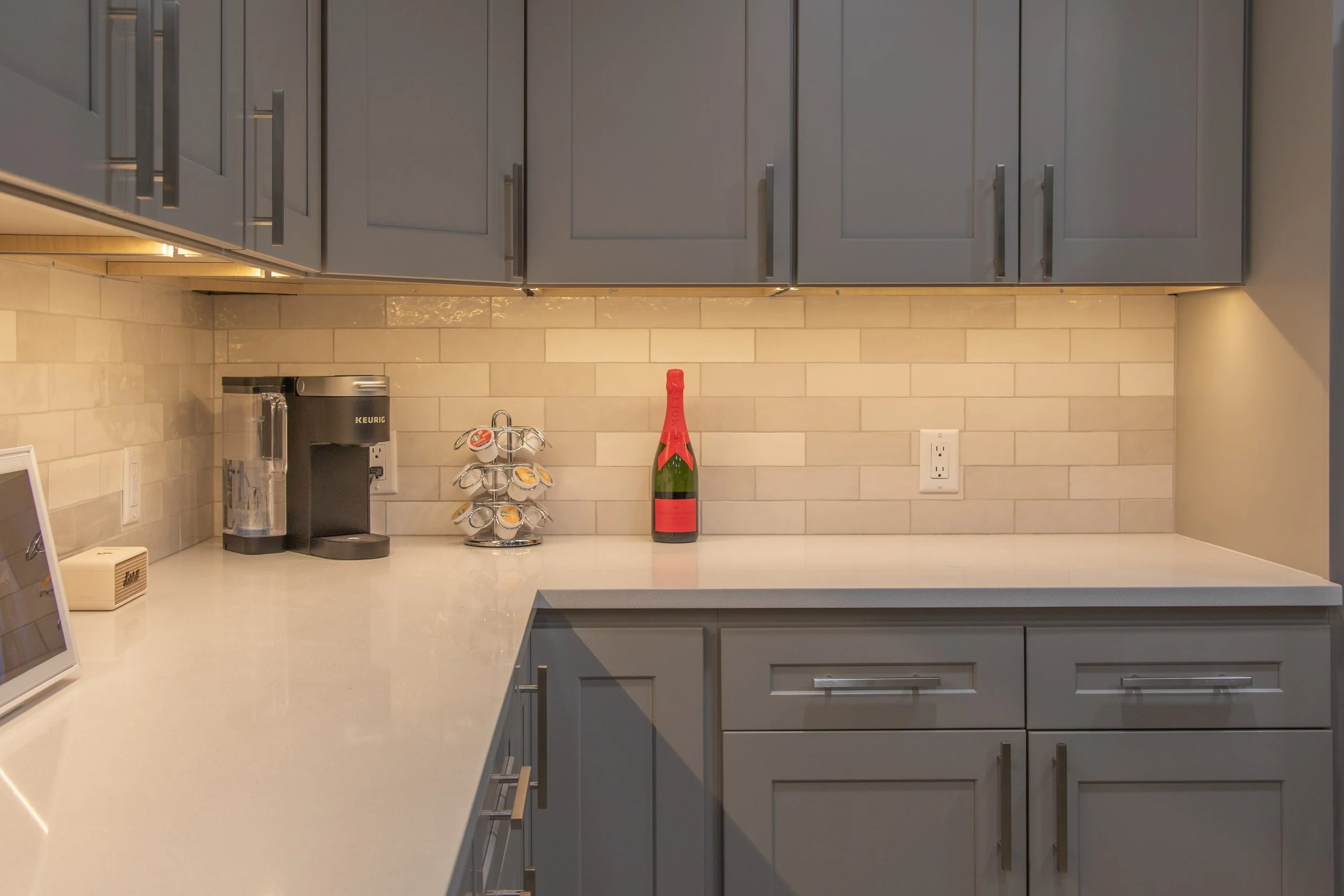
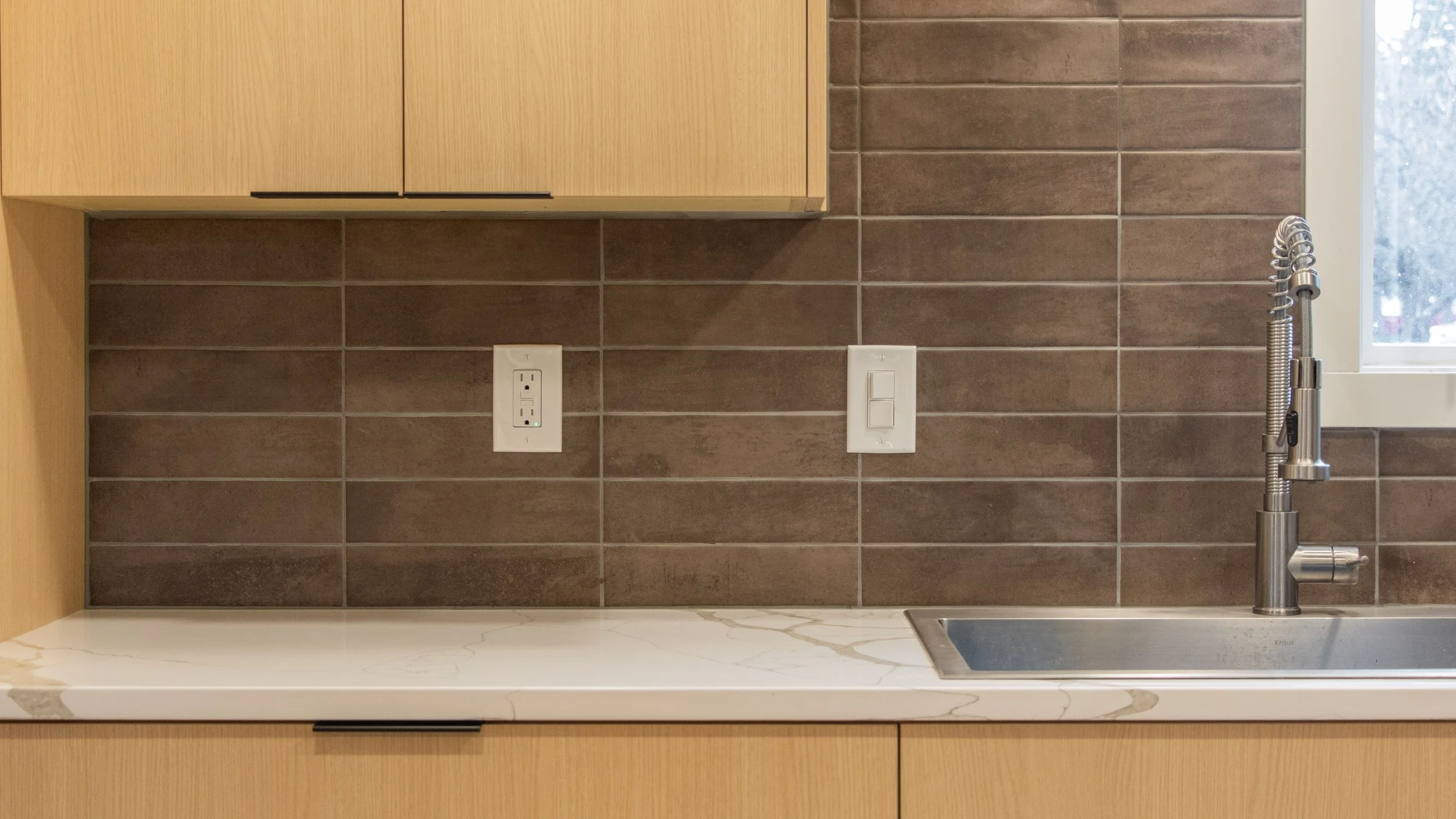
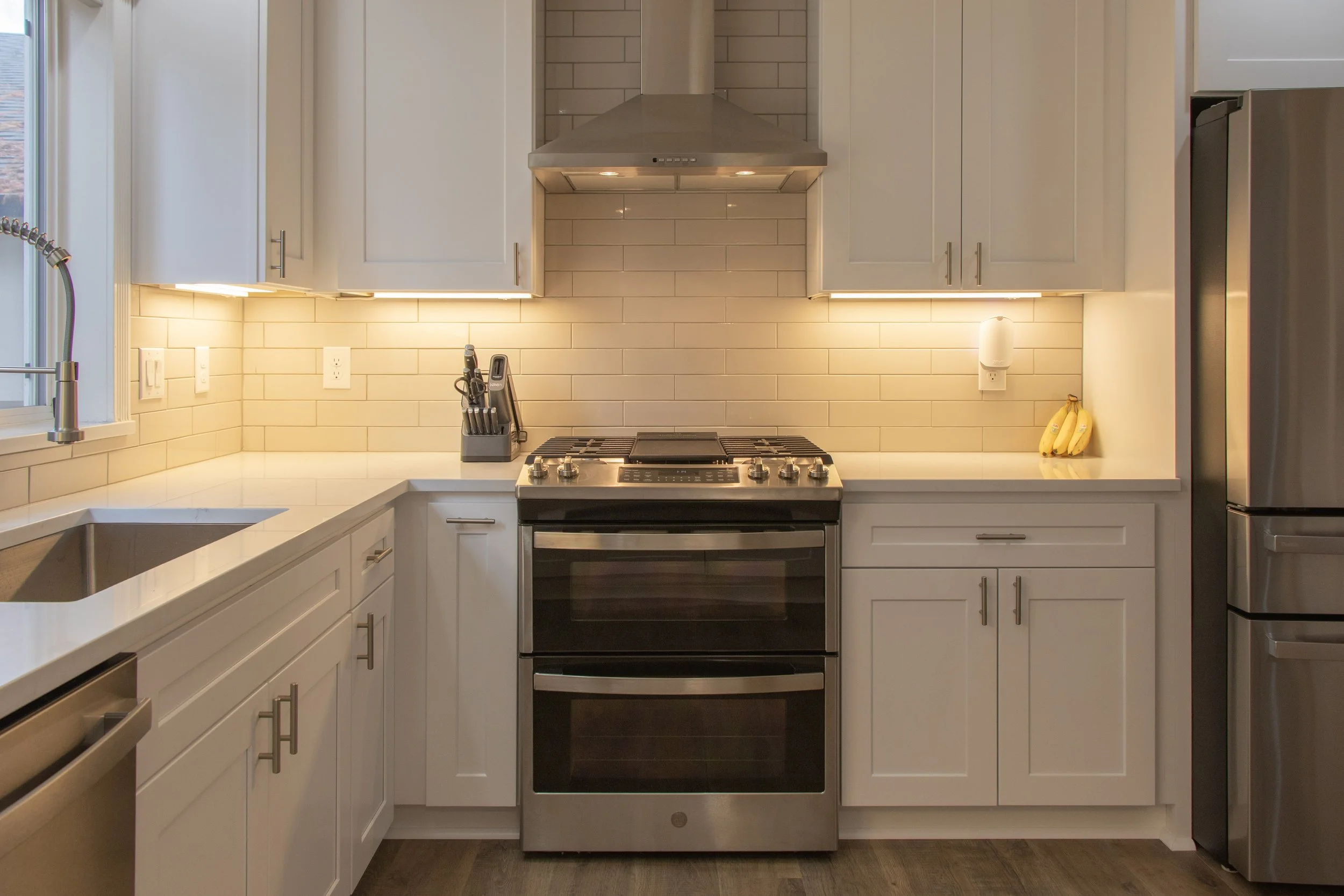
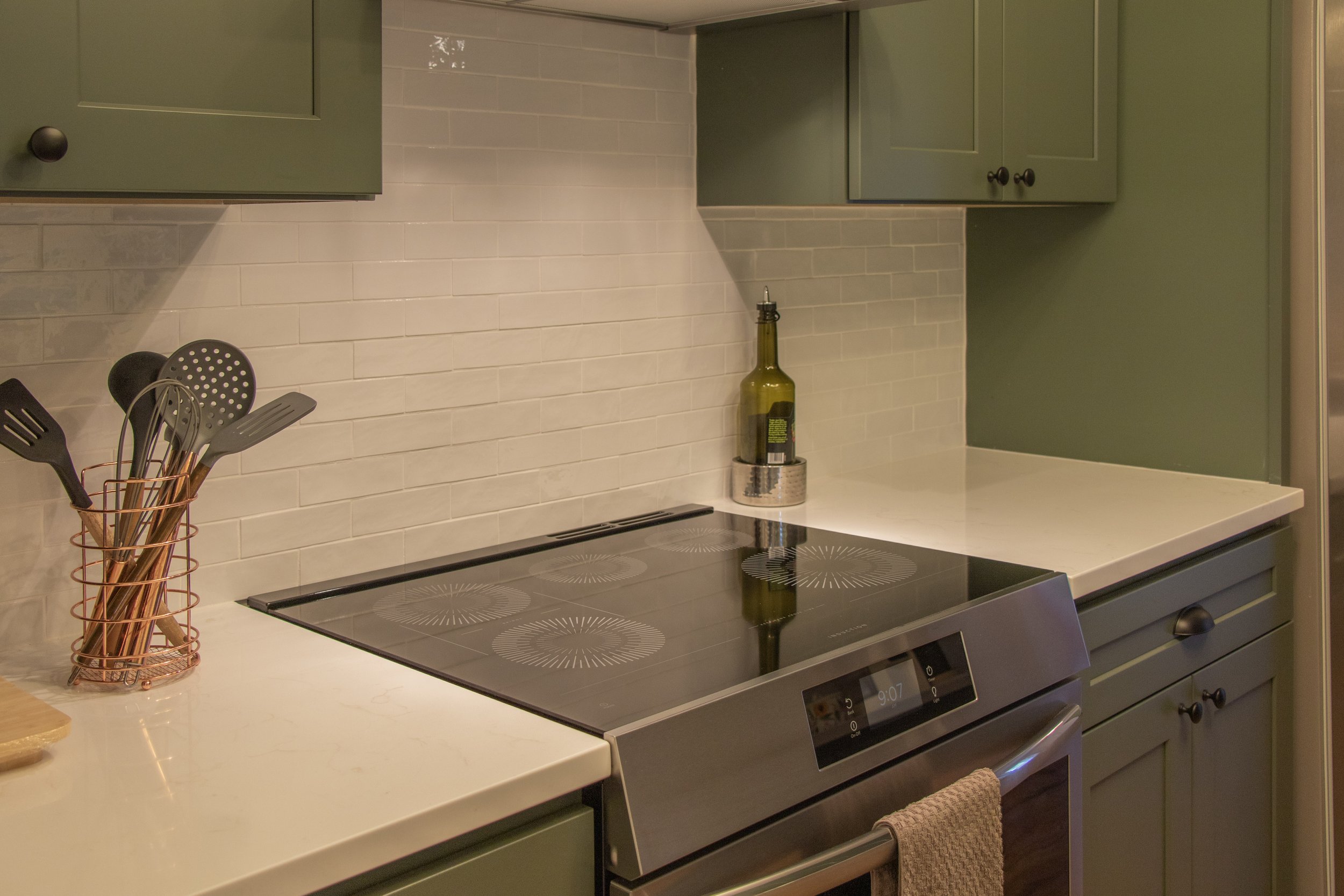
Subway tile remains one of the most recognizable kitchen backsplash tile styles. While traditional horizontal layouts remain popular, many kitchens now use vertical subway tile or stacked patterns to create a more modern appearance.
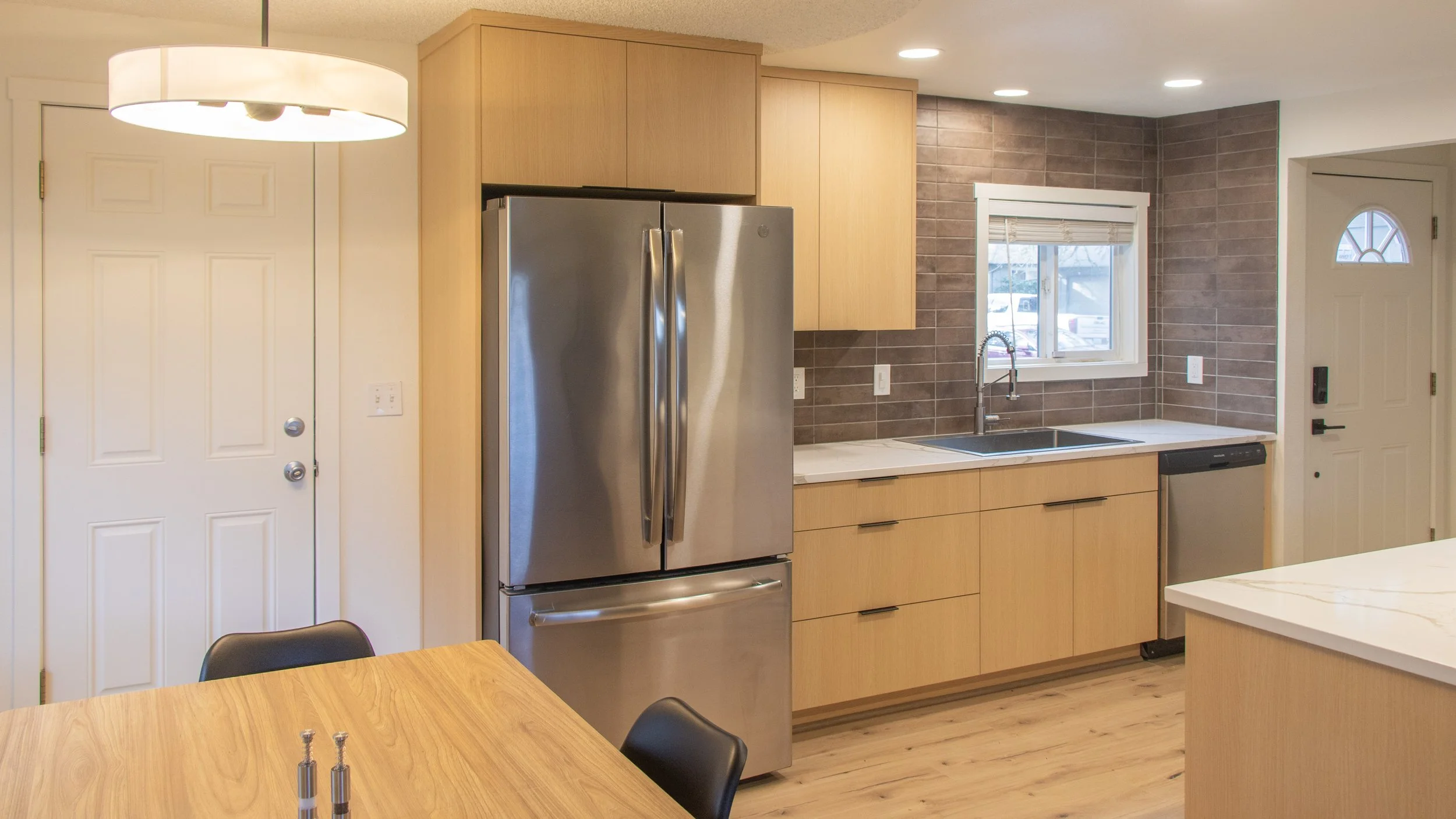
Subway tile works particularly well in kitchens with white cabinets or natural wood cabinetry.
Best for: classic kitchens and homeowners seeking a timeless backsplash style.
Natural Stone Backsplashes
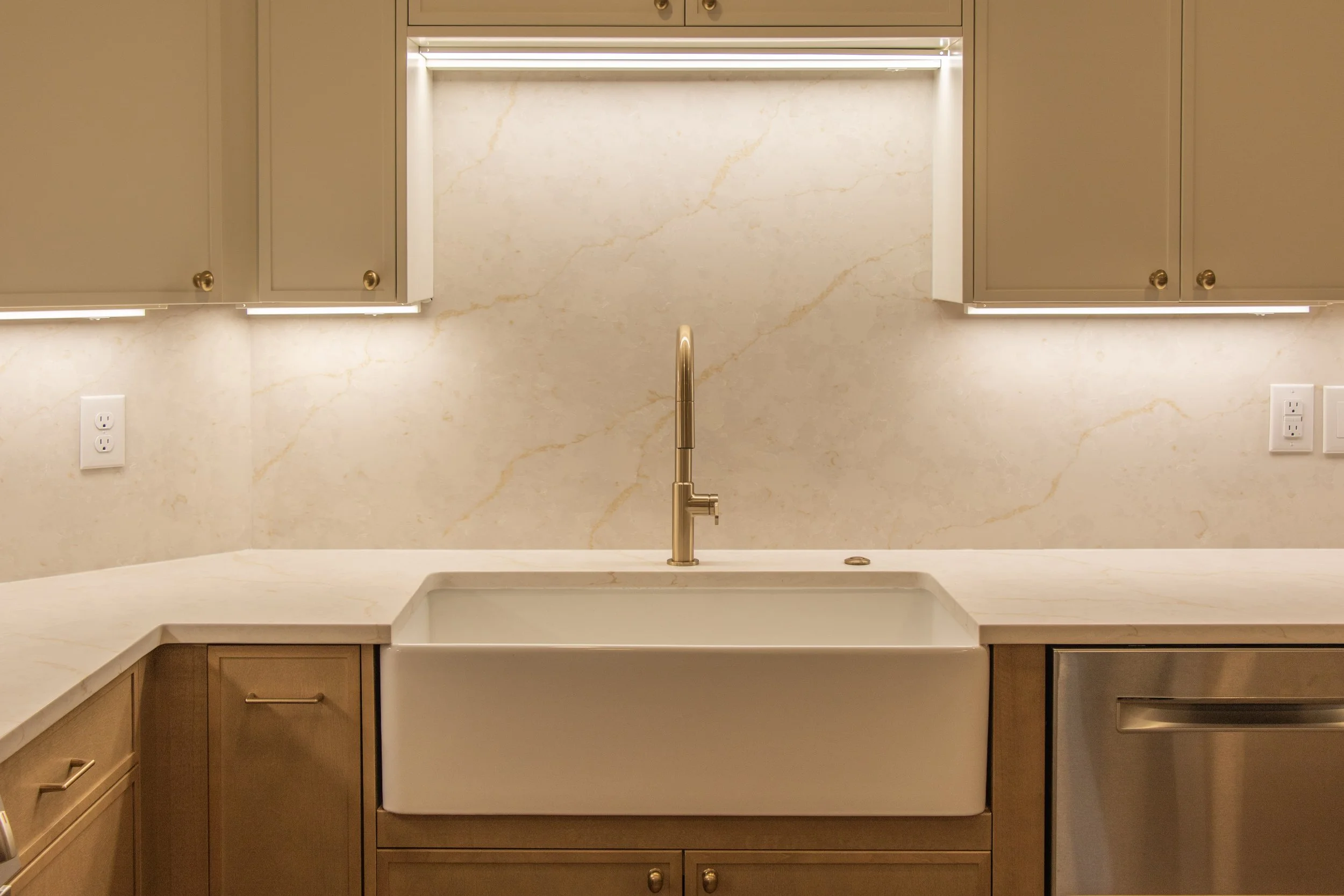
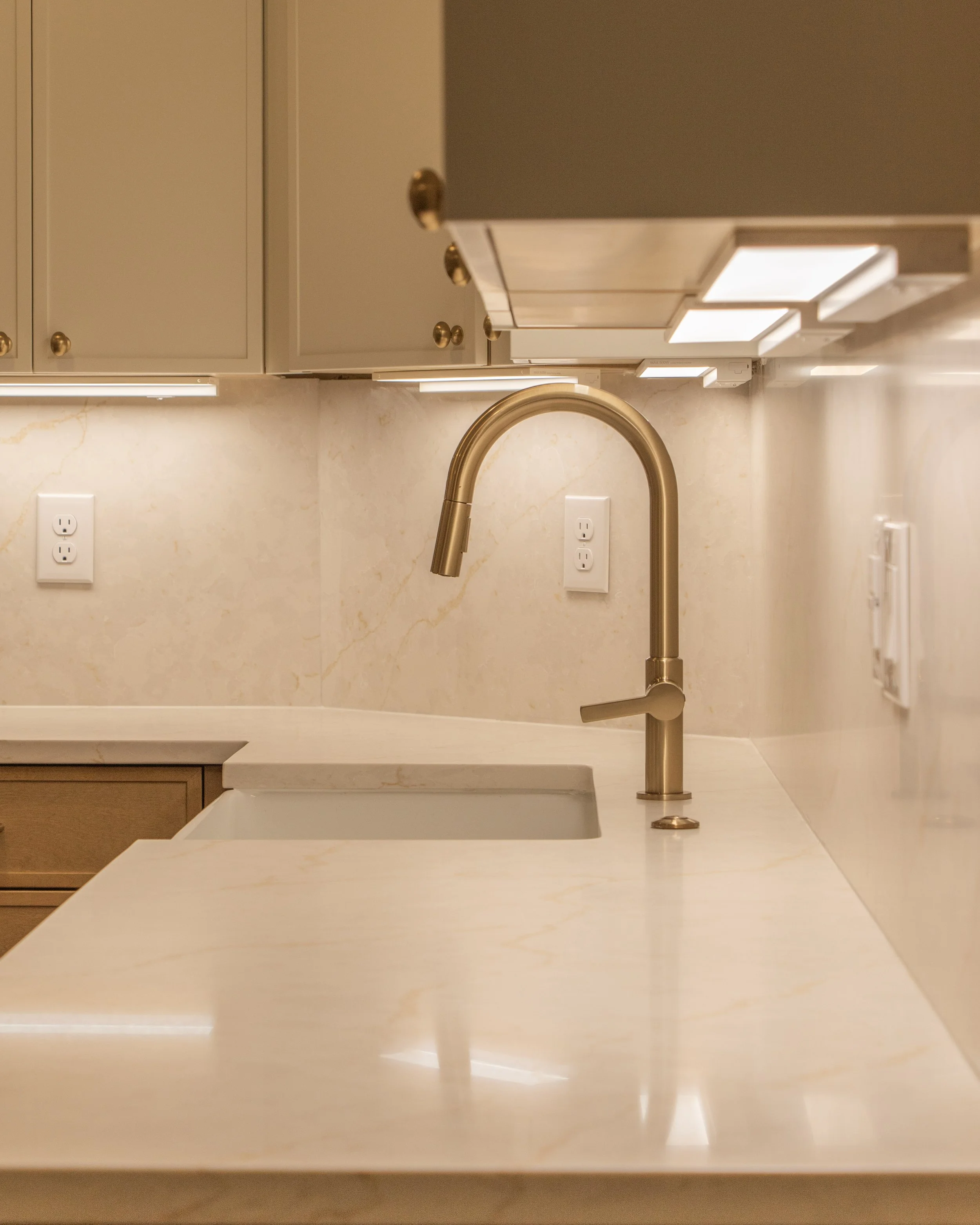
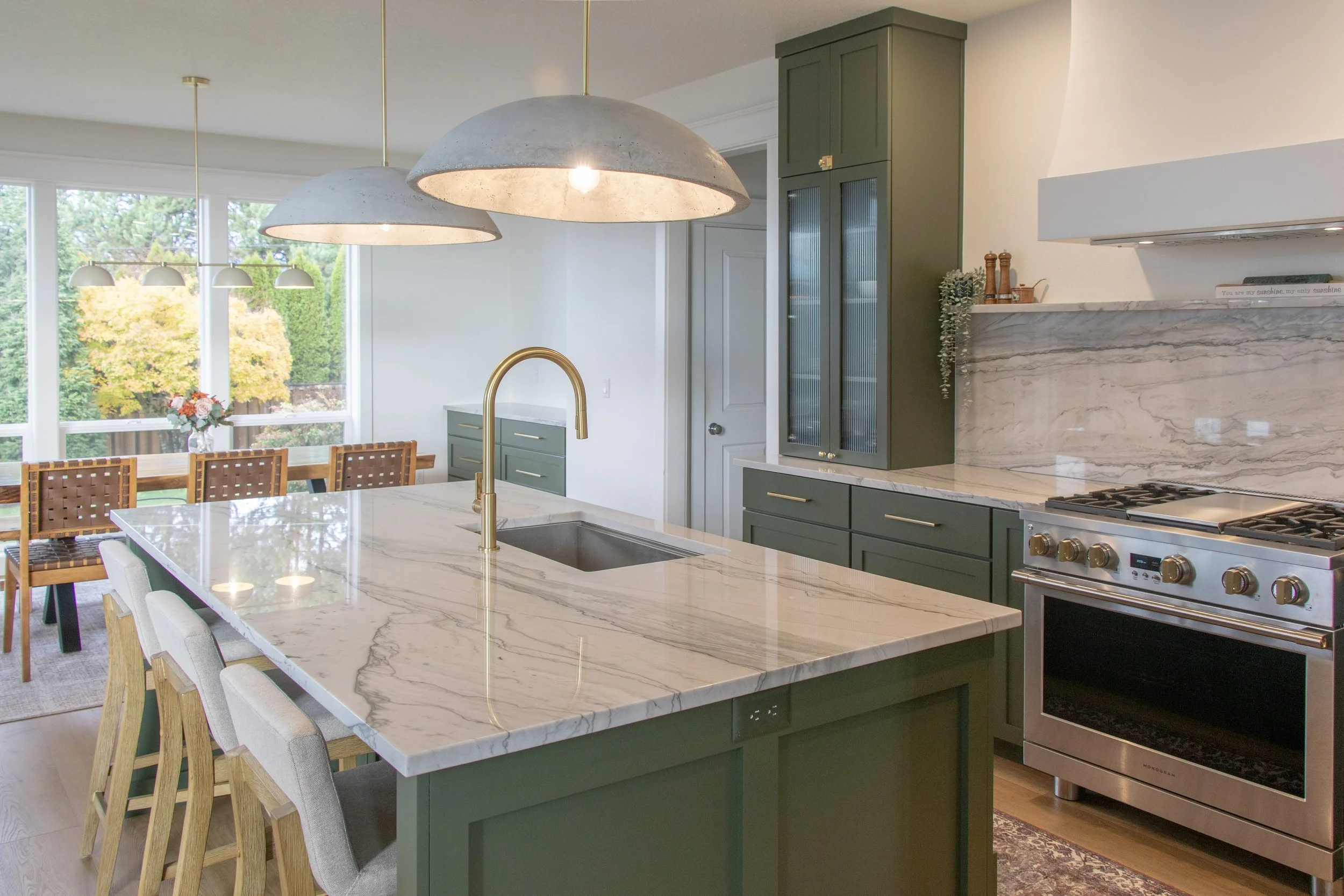
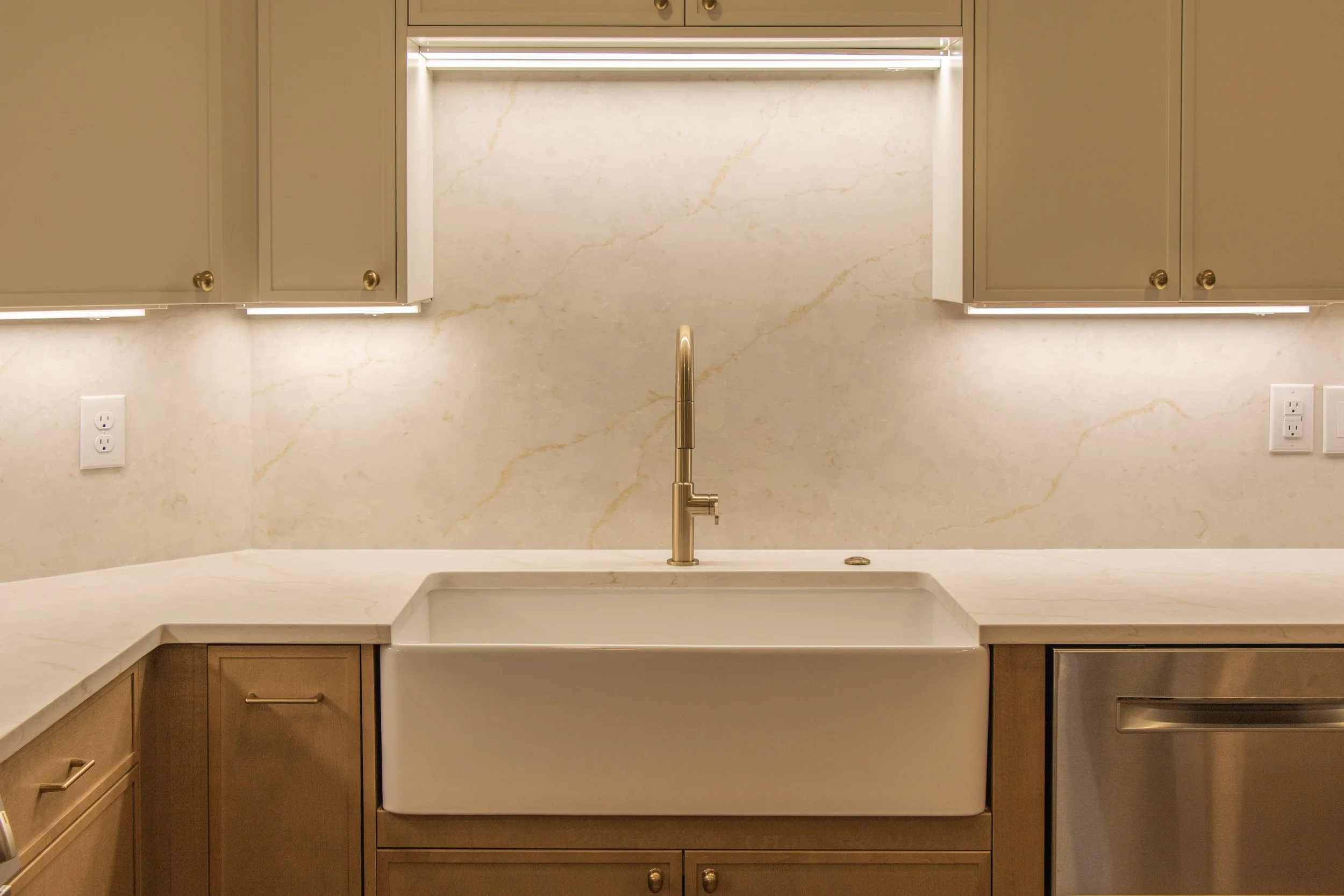
Natural stone backsplashes are becoming increasingly popular in high-end kitchen remodels. Materials such as marble, quartzite, and limestone add texture and depth to the kitchen while creating a cohesive connection with natural stone countertops.
Many homeowners are now extending their countertop material vertically to create a full slab backsplash that eliminates grout lines.
Best for: luxury kitchens and seamless countertop-to-wall designs.
Glass Tile Backsplashes
Glass tile backsplashes reflect light well, which can make smaller kitchens feel brighter and more open. These backsplashes are commonly used in modern kitchen designs where clean lines and reflective surfaces enhance the overall aesthetic.
Best for: contemporary kitchens and smaller spaces.
Metal and Stainless Steel Backsplashes
Metal backsplashes are commonly used behind cooktops or ranges because they are extremely heat-resistant and durable. Stainless steel backsplashes also complement modern appliances and industrial-style kitchen designs.
Best for: modern kitchens or cooking areas behind ranges.
Kitchen Backsplash Trends for 2026
Kitchen backsplash design trends are shifting toward more texture and natural materials.
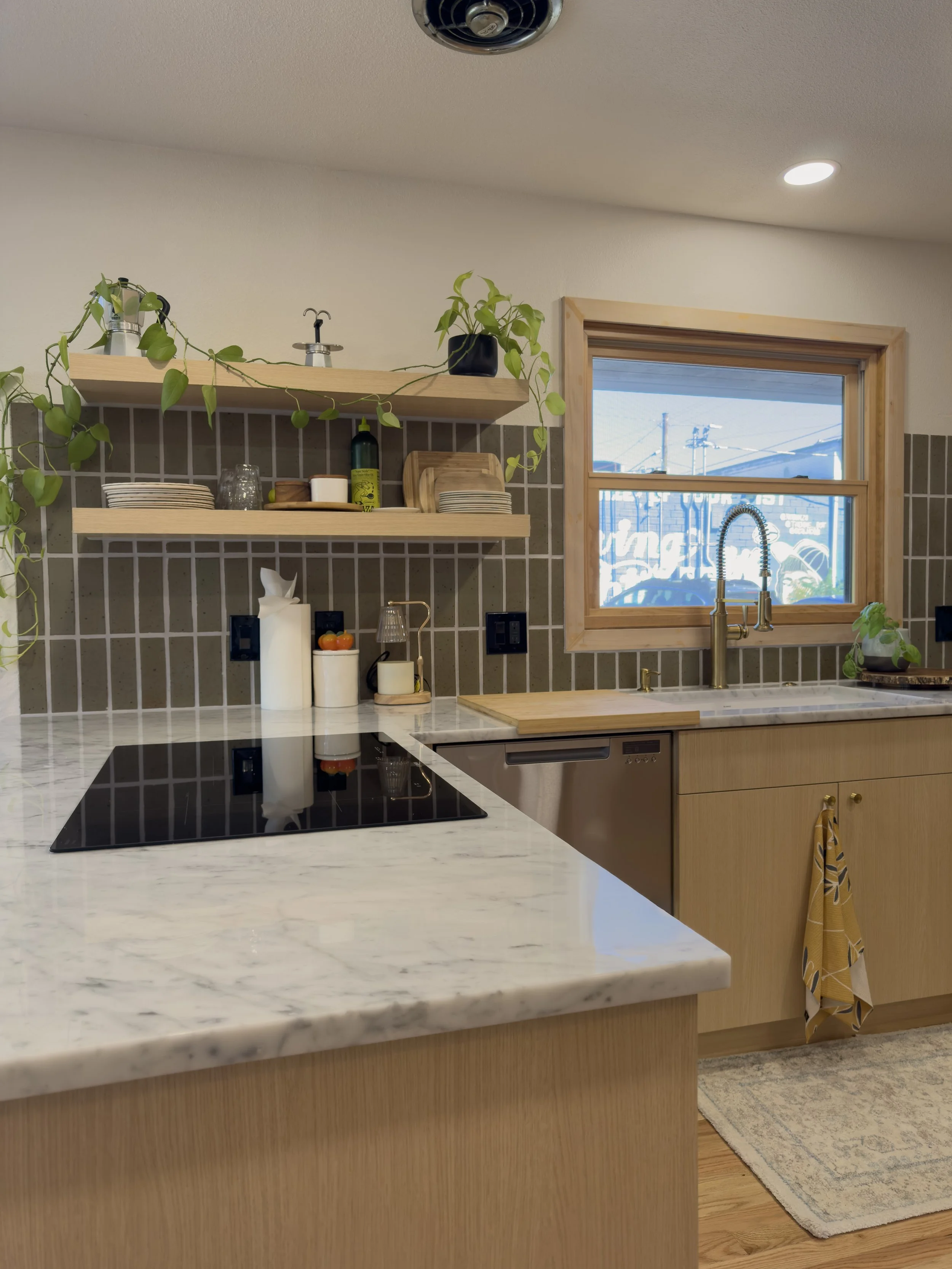
Full Height Backsplashes
Instead of stopping at the bottom of upper cabinets, many modern kitchens extend the backsplash all the way to the ceiling. This approach creates a stronger visual focal point and helps unify the entire kitchen wall.
Vertical Tile Layouts
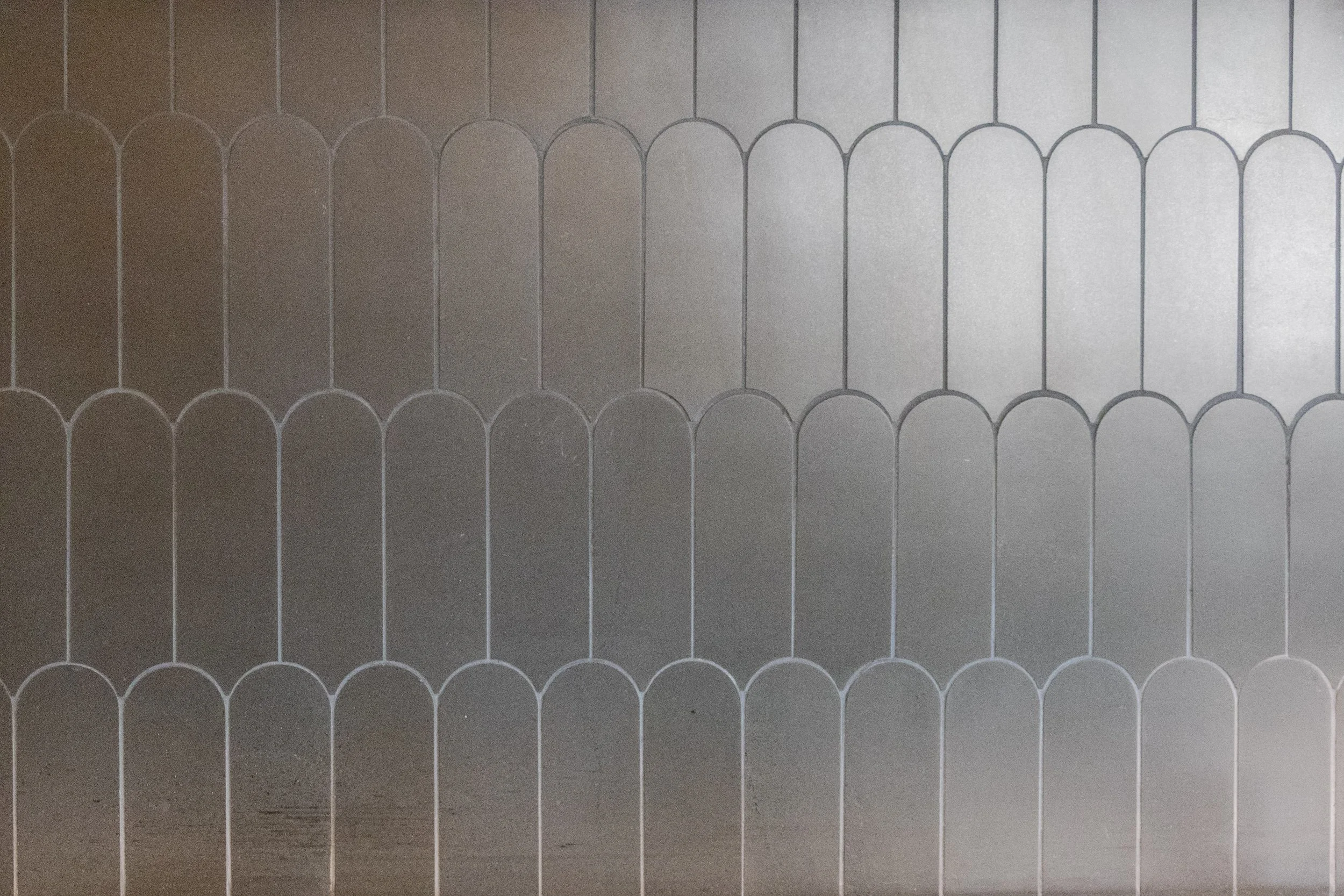
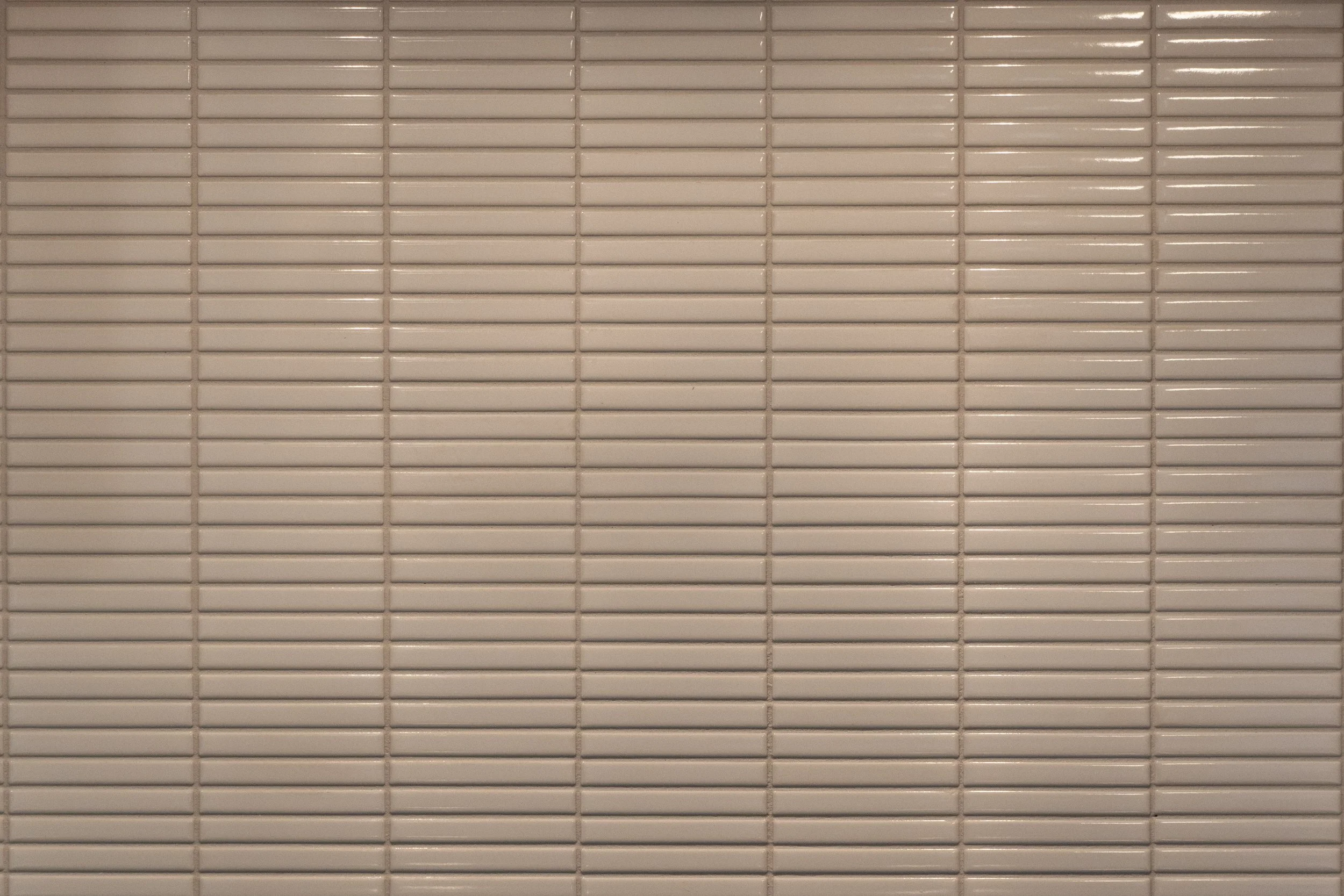
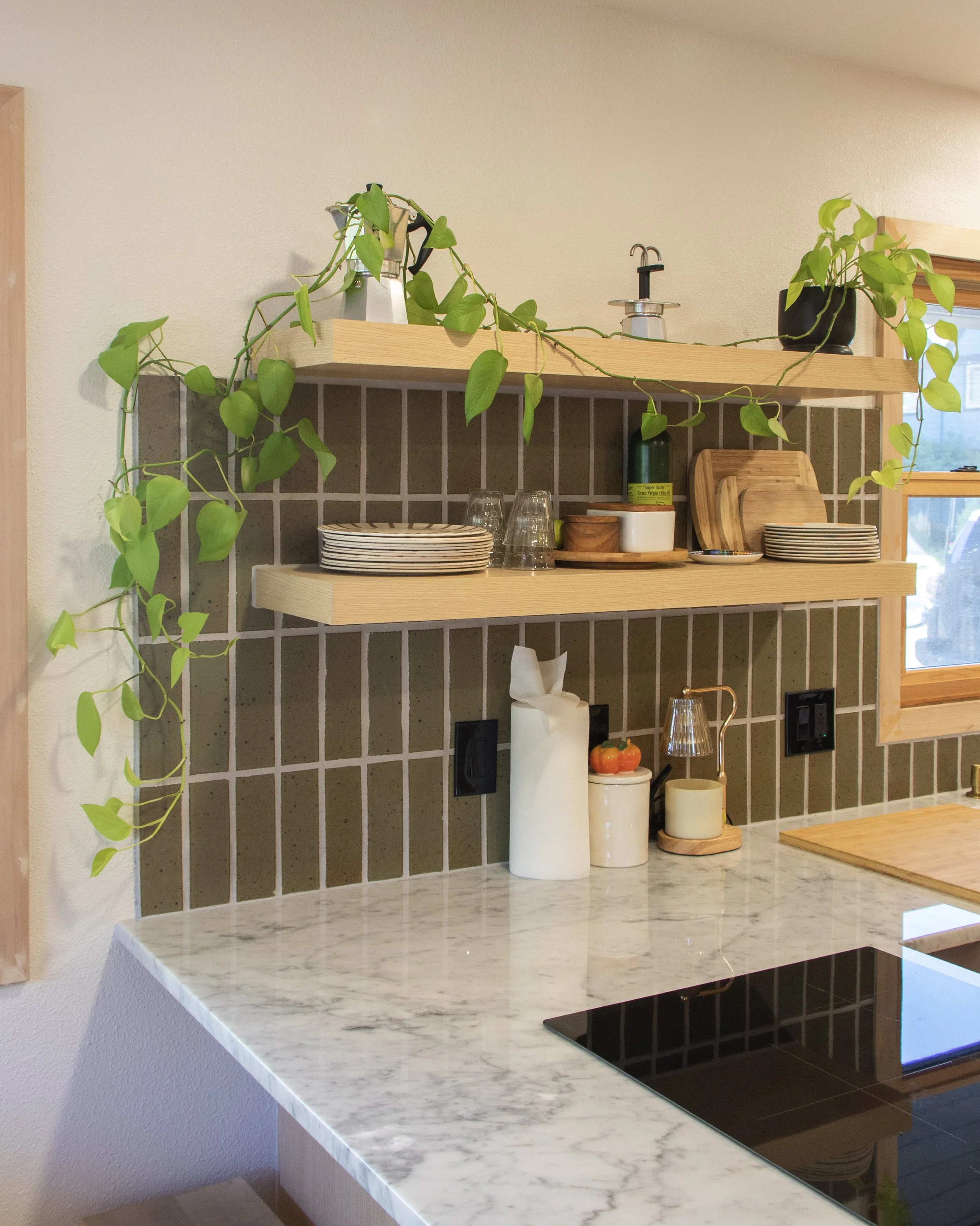
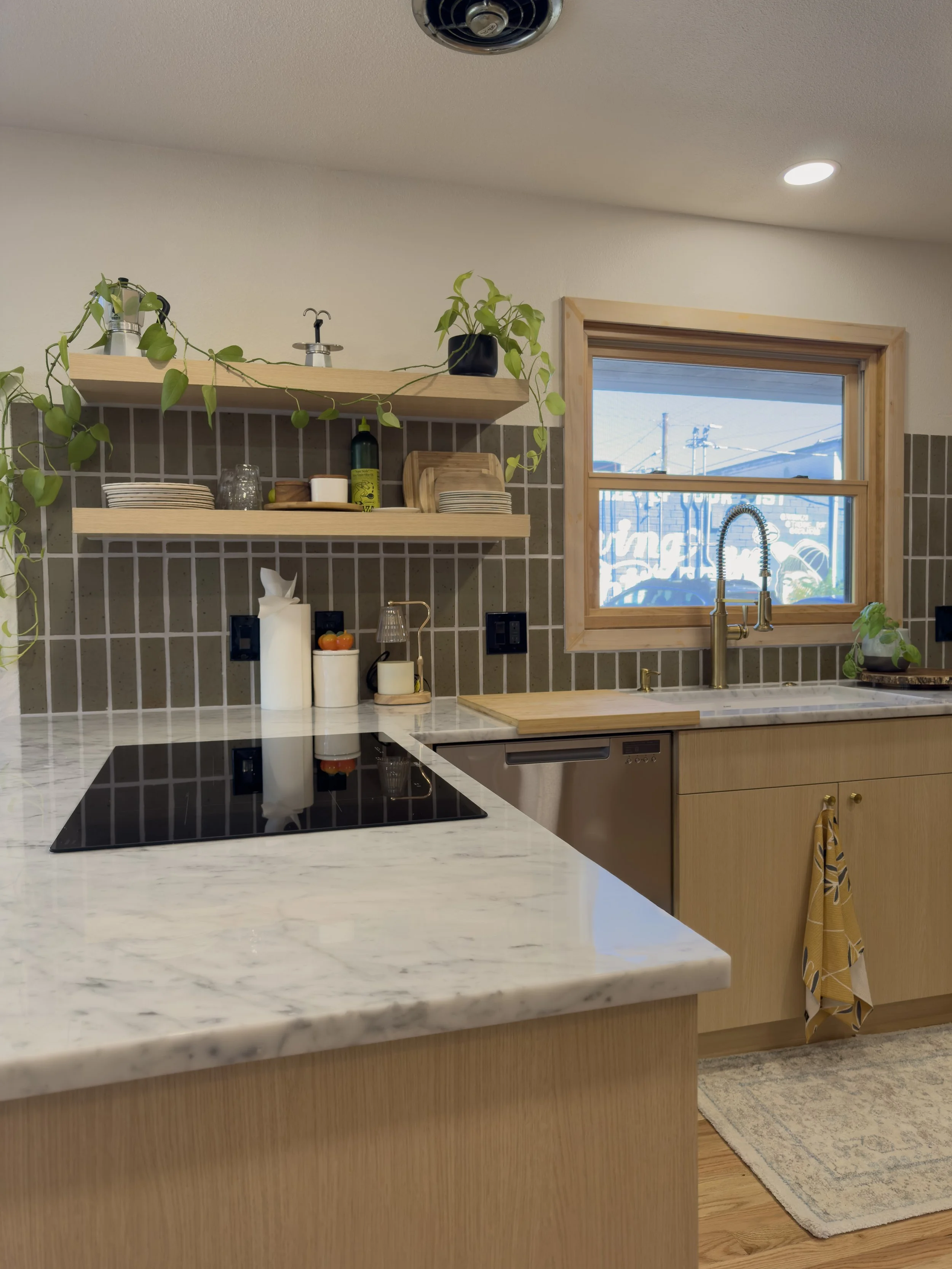
Vertical kitchen tile layouts are gaining popularity as an alternative to traditional horizontal subway tile. Simply rotating the tile orientation can make a kitchen feel more modern.
Herringbone and Geometric Tile Patterns
Herringbone backsplash patterns remain one of the most requested tile layouts. These patterns add visual movement while still using simple rectangular tiles.
Earth-Tone Color Palettes
Neutral colors inspired by natural materials are dominating modern kitchens. Beige, clay, sand, and warm gray tones are replacing the cooler gray palettes that were common several years ago.
These colors pair well with both white cabinets and natural wood cabinetry.
Best Kitchen Backsplash Ideas for White Cabinets
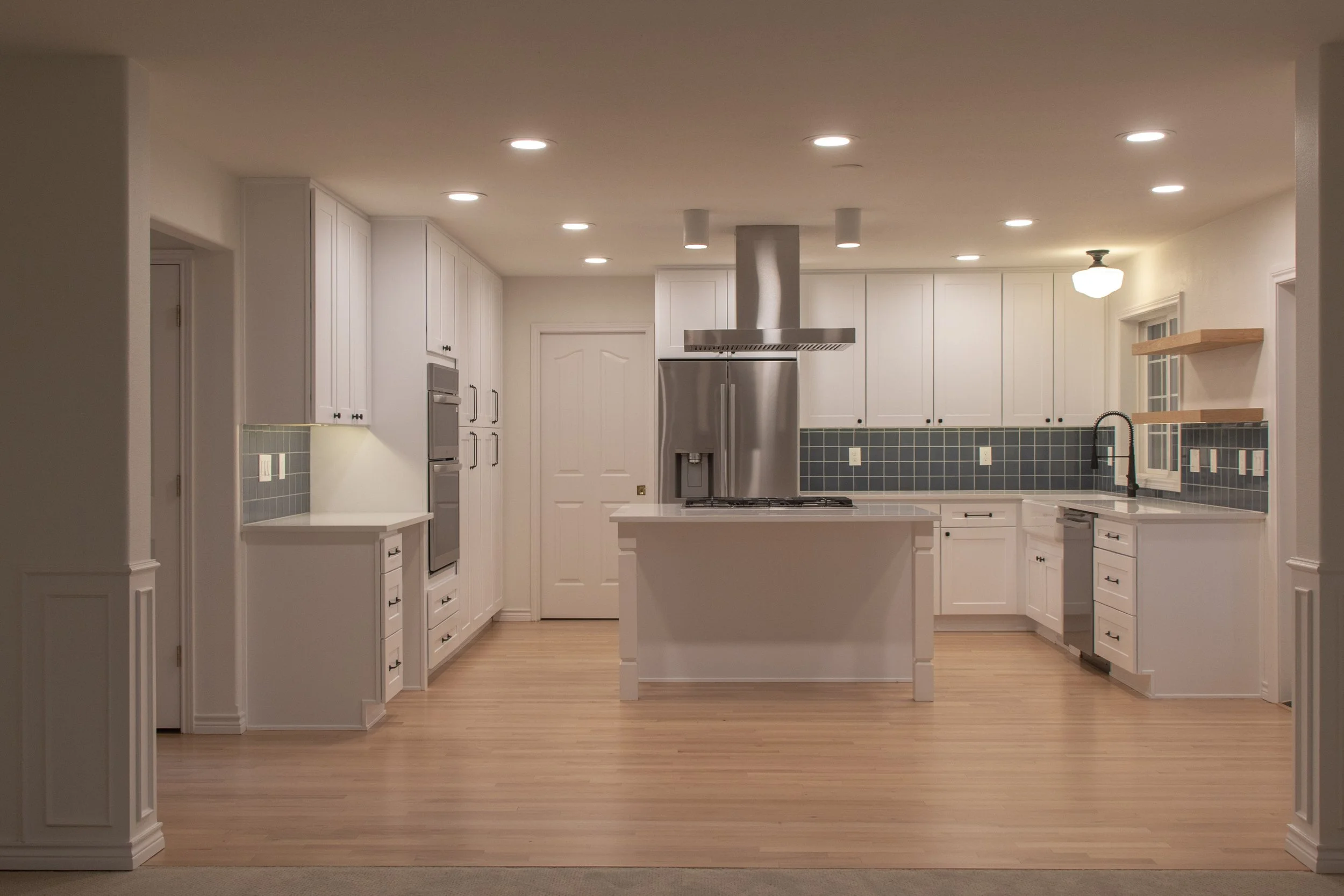
White cabinets continue to dominate kitchen design. Choosing the right backsplash can add contrast and prevent the kitchen from feeling overly plain.
Neutral Tile Backsplashes
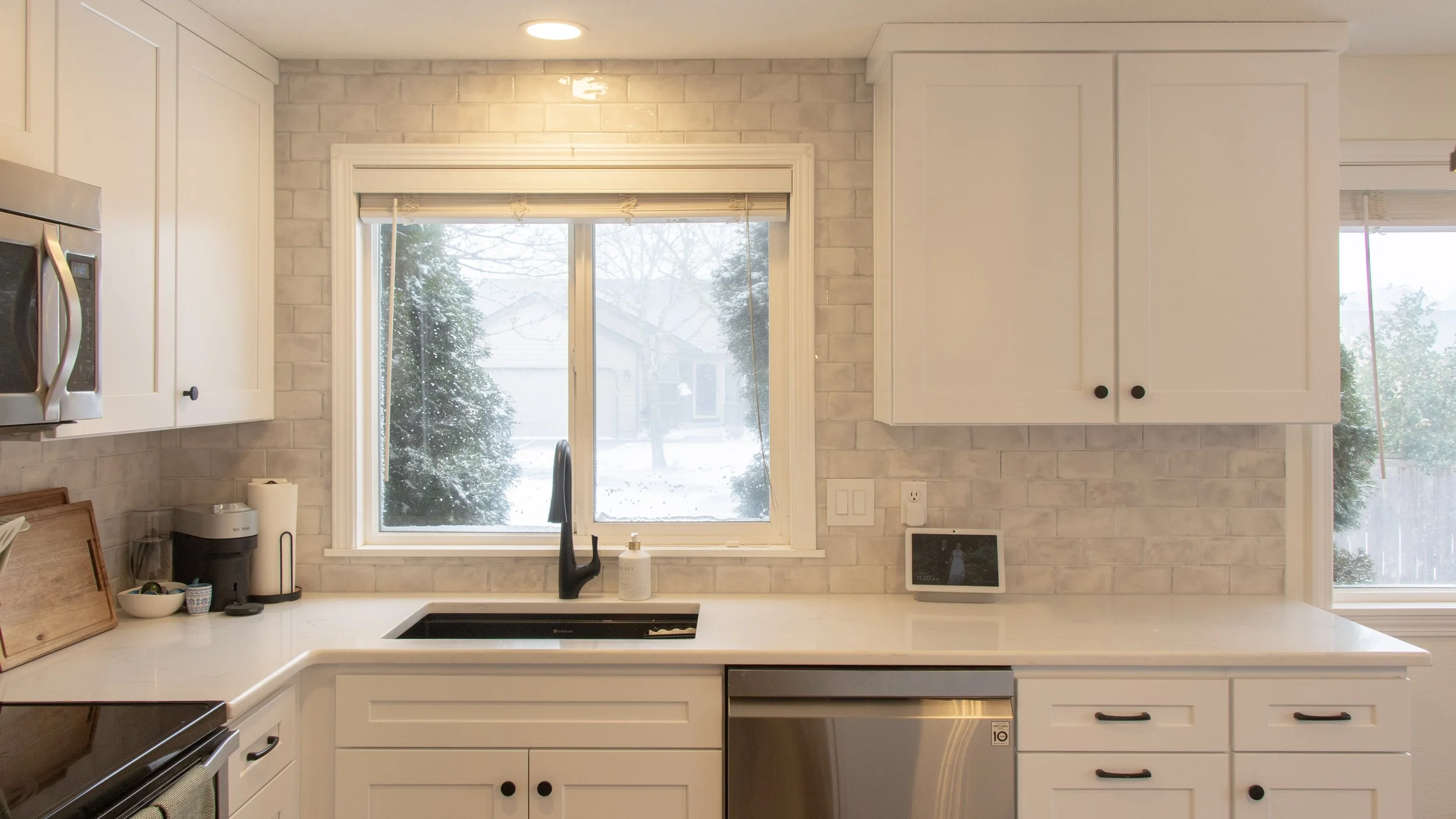
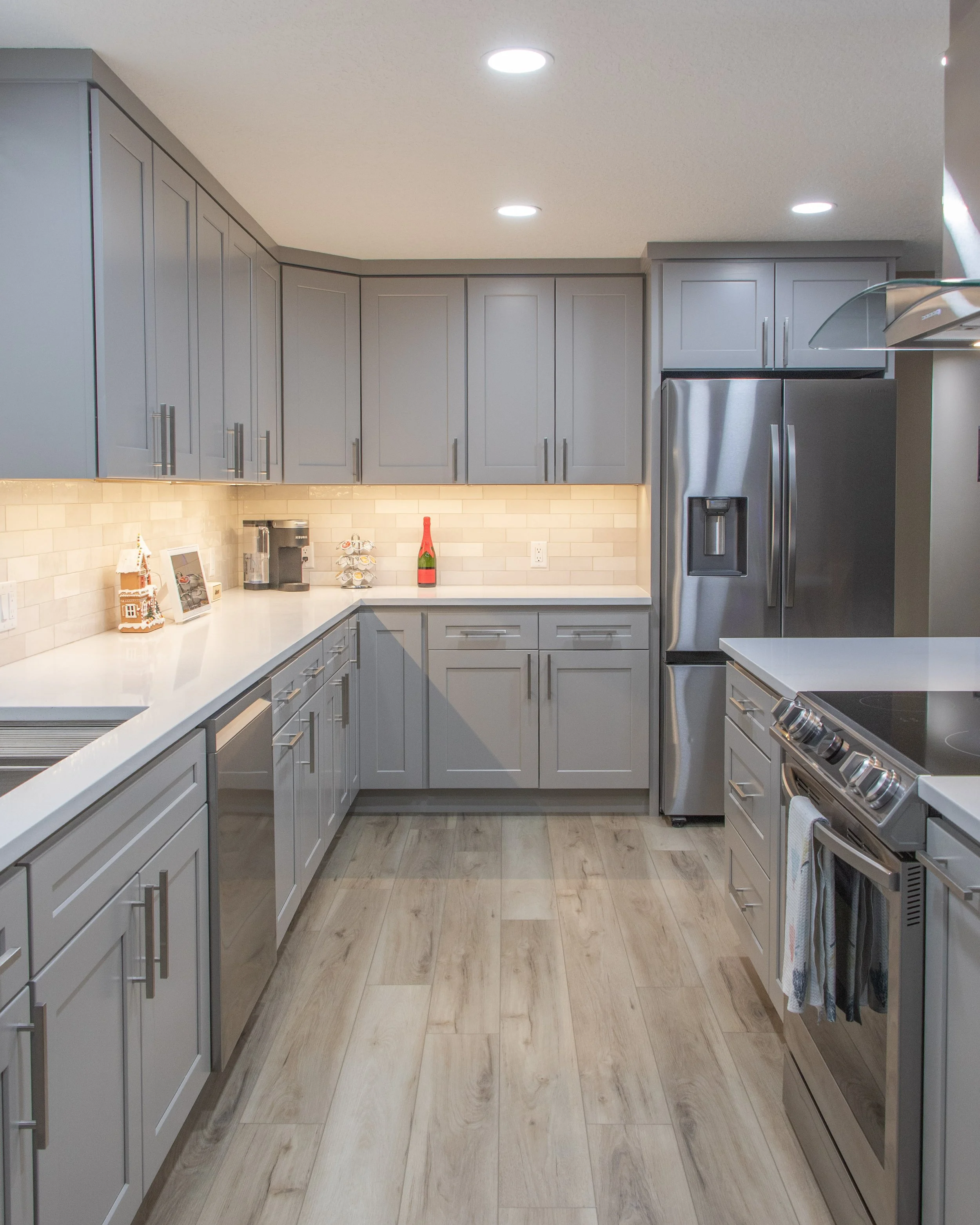
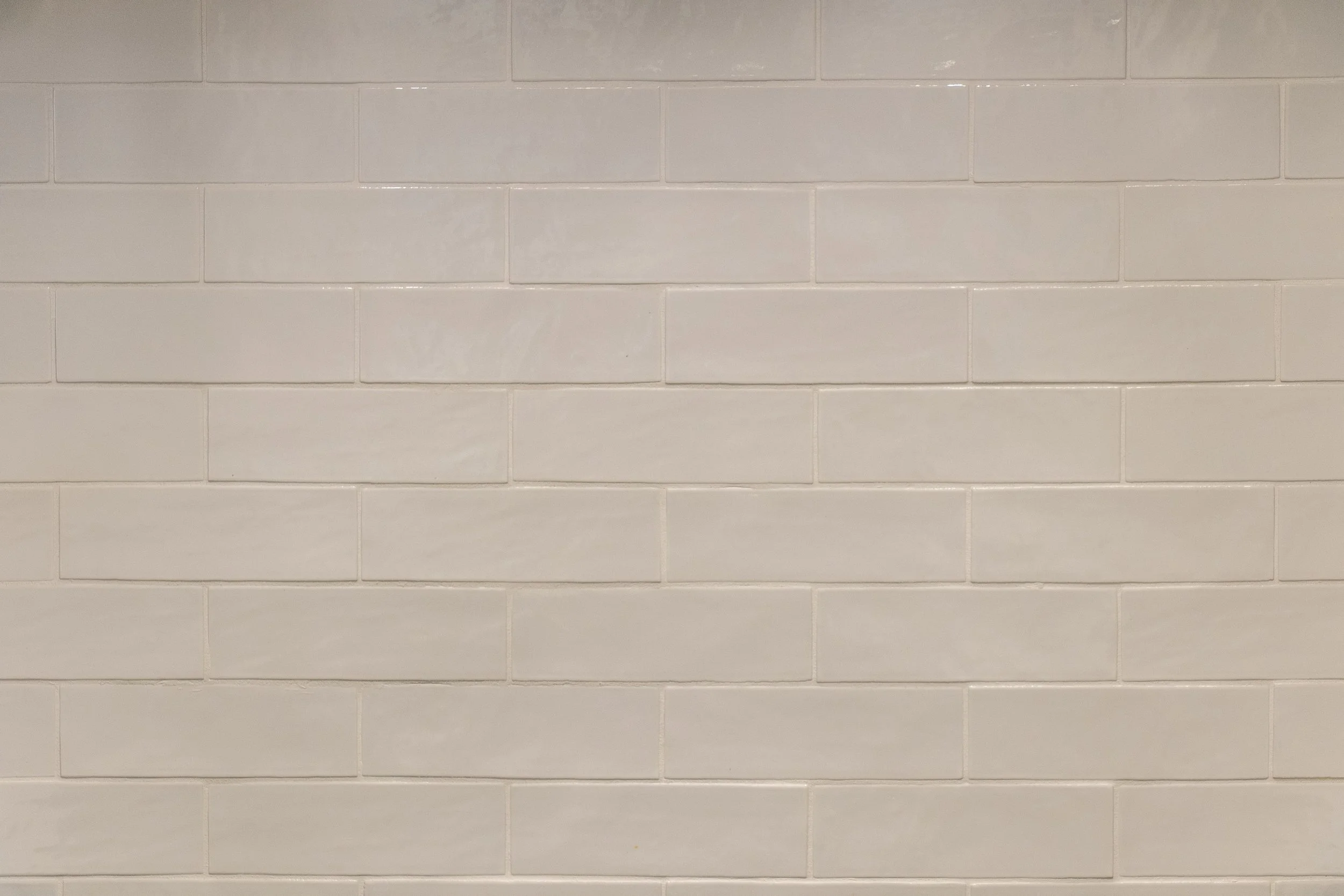
Subtle textured tiles in off-white or light gray add depth while maintaining a bright kitchen aesthetic.
Contrasting Backsplash Colors
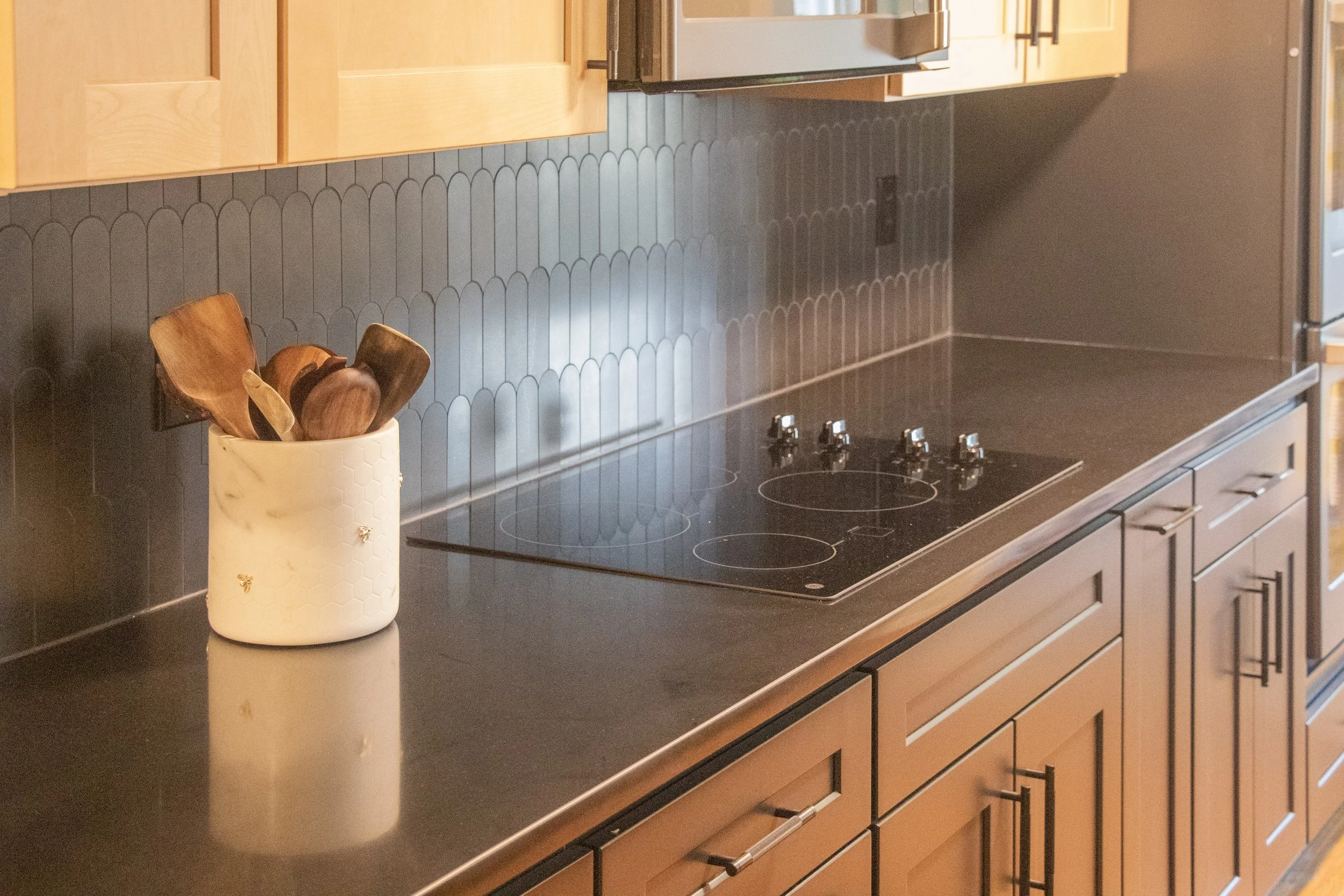
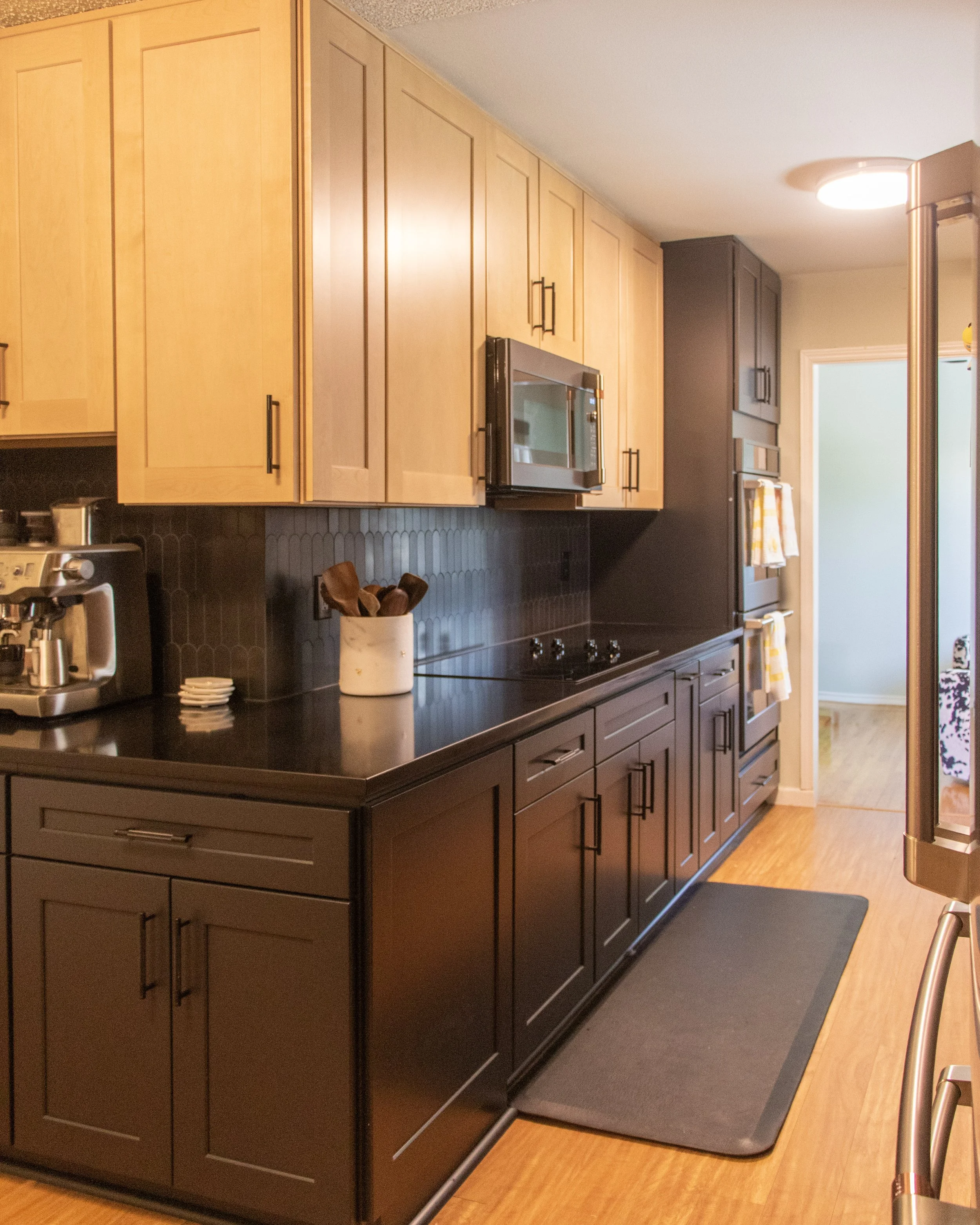
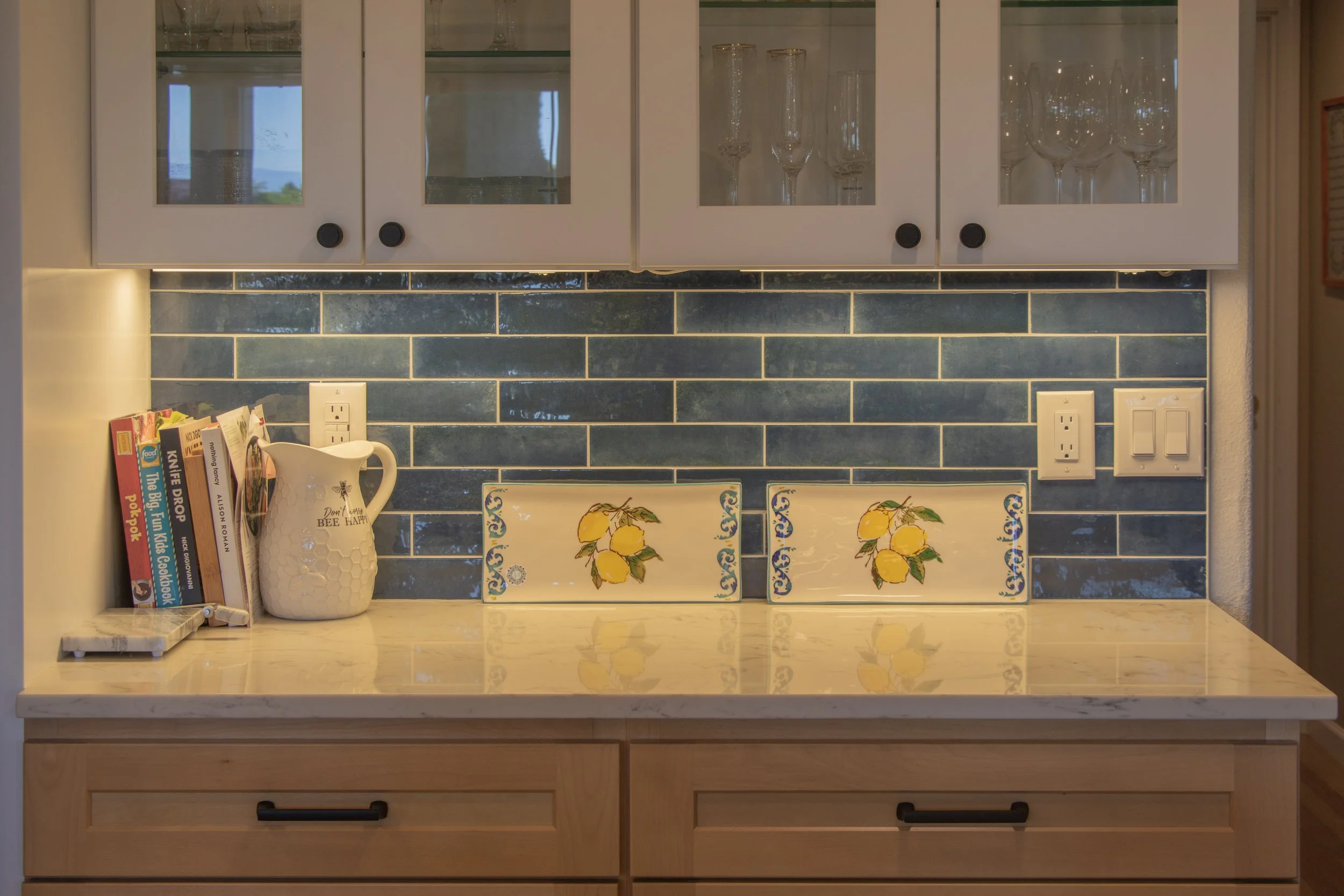
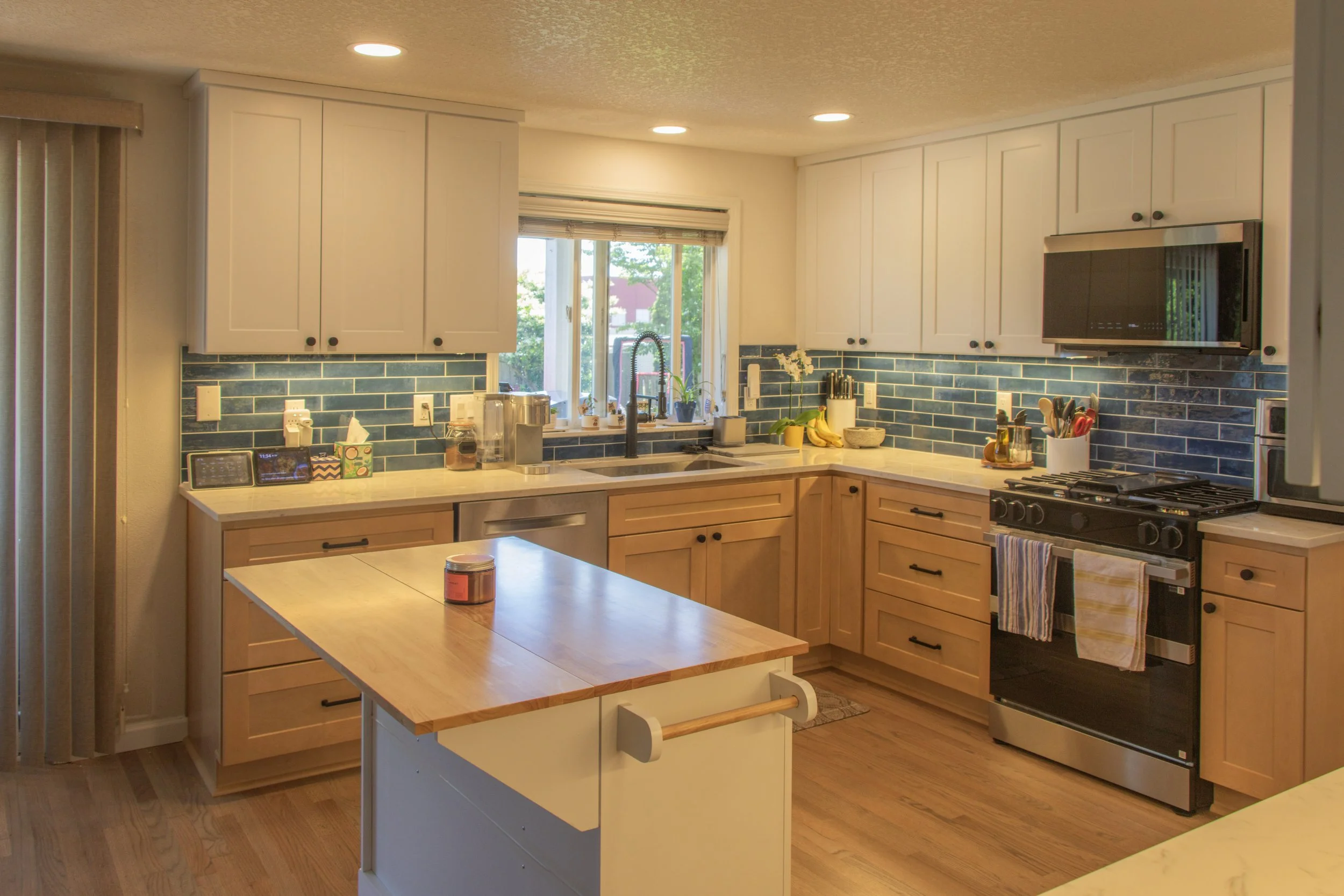
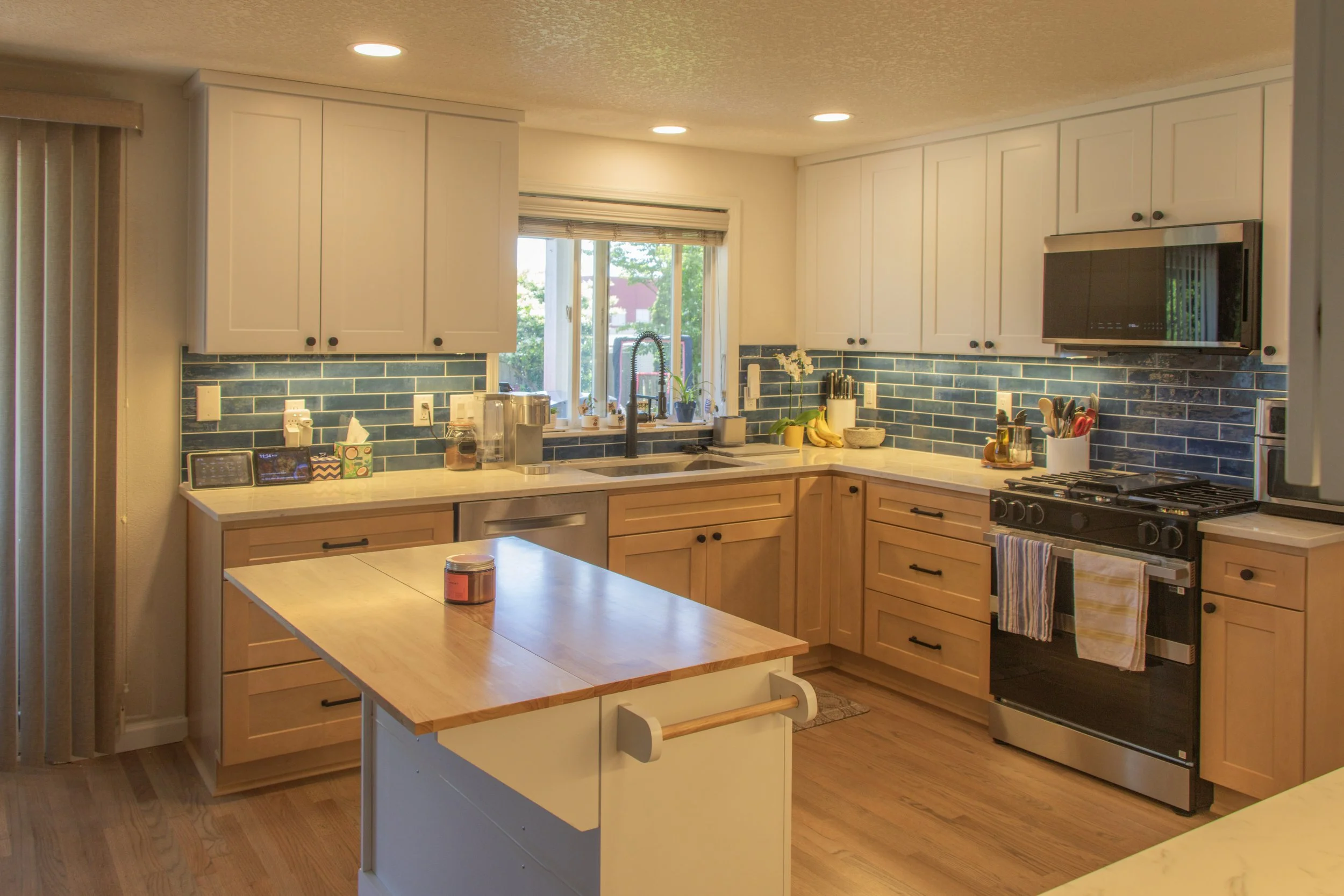
Darker backsplash colors such as charcoal, deep green, or navy blue can create contrast and highlight the cooking area.
Textured Tile Designs
Handmade ceramic tile or natural stone backsplashes introduce texture while maintaining a simple color palette.
Kitchen Backsplash Installation in Portland and Vancouver
Professional backsplash installation is often recommended for homeowners planning a full kitchen renovation. Installing a kitchen backsplash involves several steps, including wall preparation, tile layout planning, adhesive application, grouting, and sealing.
Many homes in Portland and Vancouver require additional preparation due to older drywall, uneven walls, or prior remodeling. Working with experienced kitchen remodeling contractors helps ensure the backsplash integrates properly with cabinetry, countertops, and lighting.
Kitchen Backsplash Installation Cost
The cost of installing a kitchen backsplash varies depending on several factors:
tile material
tile layout complexity
backsplash height
number of electrical outlets
wall preparation requirements
More intricate tile patterns, such as herringbone layouts or slab backsplashes, typically require more labor and increase installation costs. For a more detailed breakdown of costs associated with kitchen remodeling, visit our 2026 kitchen remodeling costs guide.
Common Kitchen Backsplash Mistakes to Avoid
Choosing a Backsplash Before Selecting Countertops
Backsplashes should complement countertop materials. Selecting tile first can lead to color conflicts once the countertops are installed.
Ignoring Grout Maintenance
Highly patterned tile backsplashes often include more grout lines, which require additional cleaning and maintenance.
Using Trends That Date Quickly
Bold colors or overly decorative tile patterns can quickly become outdated. Many homeowners choose neutral materials with subtle patterns that remain timeless.
Forgetting About Lighting
Backsplash materials reflect light differently. Glass tile or lighter stone backsplashes can brighten kitchens that receive limited natural light.
Final Thoughts on Kitchen Backsplash Ideas for 2026
Kitchen backsplashes continue to evolve as homeowners look for ways to add texture and personality to their kitchens. Whether using ceramic tile, natural stone, glass tile, or slab backsplashes, the right material can dramatically influence the overall design of the space.
The best backsplash choices balance durability, maintenance, and design compatibility with the rest of the kitchen. When paired with thoughtful layout and professional installation, a well-designed backsplash can become one of the most striking elements of a kitchen remodel.
