
Basement Egress Window Installation in Portland & Vancouver
Code Requirements, Costs, and General Contractor Tips
Basement egress window installation is one of the most common upgrades homeowners make when remodeling a basement. In both Portland, Oregon, and Vancouver, Washington, building codes require emergency exit openings for basement bedrooms to ensure occupants can exit safely during a fire or emergency.
Beyond safety, installing a high-quality basement egress window can dramatically improve natural light, ventilation, and the overall livability of a basement. Many homeowners begin researching basement egress window installation contractors when they are planning a basement remodel, finishing a basement bedroom, or preparing a home for resale.
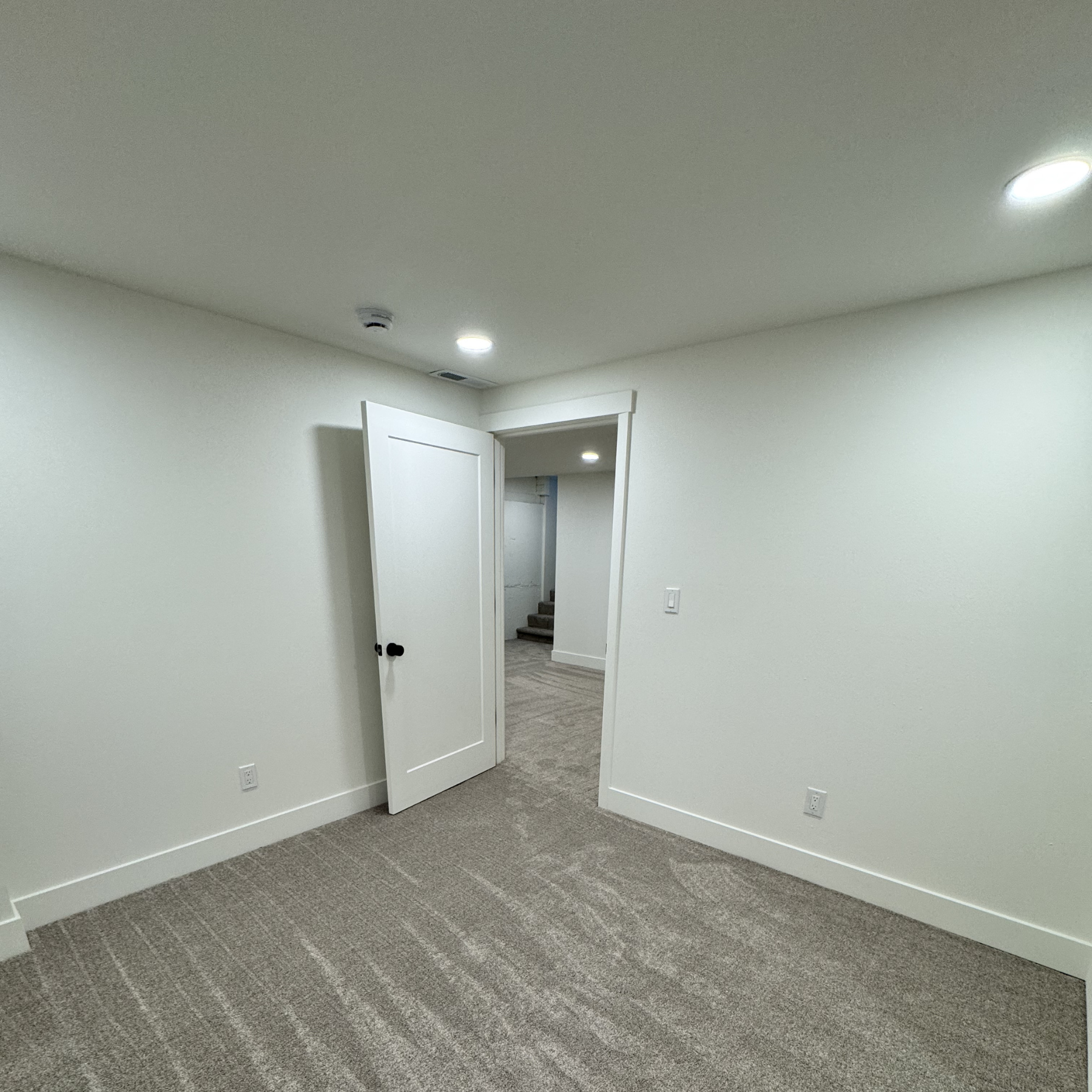
This guide explains what egress windows are, when they are required under Portland and Vancouver building codes, what factors drive installation cost, and how to choose the right contractor for the job.
What Is a Basement Egress Window?
A basement egress window is a window designed to provide a safe emergency escape route from a basement living space. Unlike standard basement windows, egress windows must meet specific building code requirements related to size, height, and accessibility.
These windows serve two critical purposes:
Allow occupants to escape during emergencies
Allow firefighters or emergency personnel to enter the basement
A standard basement window may allow light and airflow, but it often does not meet the minimum opening dimensions required for emergency escape. An egress window must be large enough for a person to climb through and must open fully without obstruction.
In most cases, basement egress windows are paired with an egress window well, which creates the space outside the window for safe exit.
What are the Requirements for an Egress Window in Portland and Vancouver?
Understanding when an egress window is required is essential before beginning any basement renovation.
Both Portland and Vancouver follow versions of the International Residential Code (IRC), which establishes minimum safety standards for emergency escape openings.
When an Egress Window Is Required for Basement Remodels
If you are adding or converting a basement bedroom, an egress window is required.
Many basement remodeling projects require an egress window to comply with building codes.
Examples include:
Adding a basement bedroom
Creating a rental unit or ADU sleeping space
Converting unfinished basement space into living areas
Egress Size and Placement Requirements for Basement Bedrooms
Typical code requirements include:
Minimum opening area: 5.7 square feet
Common dimensions for a basement agress window are 30” x 36” or 30” x 48”
Minimum opening height: 24 inches
Minimum opening width: 20 inches
Maximum sill height from floor: 44 inches
Meaning the window can’t be any more than ~3.6 feet off the basement floor
These requirements ensure that occupants can exit the basement quickly in an emergency and that rescue personnel can access the space.
For this reason, most basement bedroom projects involve installing or enlarging a basement egress window during renovation.
What Type of Window Is Used for an Egress Window?
Building codes in Portland and Vancouver do not require a specific type of window for egress. Instead, the window must meet the minimum clear-opening requirements listed above to allow occupants to exit safely during an emergency.
Several window styles can technically meet these requirements, but casement windows are the most common choice for basement egress installations. Because casement windows swing outward like a door, they provide a large, clear opening relative to the window frame. This makes it easier to meet the required 5.7 square feet of clear opening without needing to cut a significantly larger opening in the foundation wall.
Other window types, such as sliding or double-hung windows, can sometimes meet egress requirements. However, they typically require larger overall window dimensions to achieve the same usable opening space.
For this reason, many basement remodeling contractors recommend casement-style windows for egress windows, particularly in projects where minimizing the size of the concrete cut is important.
When an Egress Window Is NOT Required
Not every basement room requires an egress window.
Spaces that typically do not require egress include:
Bathrooms
Storage rooms
Utility rooms
Mechanical rooms
Laundry rooms
However, if a basement space is intended to serve as a bedroom or sleeping area, an egress window is required.
Many homeowners install egress windows even when they are not strictly required because they significantly improve daylight and ventilation.
Portland-Specific Basement Egress Rules
Portland follows the Oregon Residential Specialty Code (ORSC), which closely mirrors the IRC egress window requirements.
In addition to the standard size and opening requirements, Portland building permits may require additional review if the installation involves:
Cutting into a structural foundation wall
Expanding an existing basement window opening
Installing deep window wells
Modifying drainage systems
When foundation walls are modified, structural drawings may be required to verify that the opening is properly supported with a structural header.
Vancouver, Washington Egress Window Code
Vancouver follows the Washington State Residential Code, which also adopts IRC safety standards.
Requirements for basement egress windows in Vancouver are very similar to those in Portland and include:
Minimum opening dimensions
Maximum sill height
Window well access requirements
If the window well depth exceeds 44 inches, a permanently installed ladder or steps must be included to allow safe exit.
Vancouver projects may also require review for drainage impacts or retaining wall stability when excavation extends significantly below grade.
Structural Work Often Required for Egress Window Installation
Installing an egress window is more complex than simply cutting a hole in a wall. Many projects require structural planning, excavation, and drainage improvements.
Understanding these factors helps explain why the cost of basement egress window installation can vary significantly from project to project.
Foundation Cutting and Structural Headers
Most egress window installations require cutting into a concrete foundation wall.
When a new opening is created or an existing basement window is enlarged, the load carried by the wall must be transferred safely around the opening. This is typically done using a structural header.
Depending on the size of the opening and the structure above it, engineering drawings may be required to verify the correct header design.
This is especially important when the window opening is located under a load-bearing wall.
Excavation Depth and Soil Conditions
Excavation is one of the largest factors affecting egress window installation cost.
Many basements require digging several feet below grade to create a window well deep enough to meet code requirements.
Soil conditions in the Portland and Vancouver area can vary significantly, ranging from clay soils to compacted fill. Hard or unstable soil conditions may require additional reinforcement during excavation.
Deeper excavation also increases the size and complexity of the window well.
Retaining Walls and Structural Reinforcement
When the excavation depth increases, the window well must resist the pressure of the surrounding soil.
Some installations require reinforced wells or retaining structures to maintain long-term stability.
In these situations, contractors may install:
reinforced steel window wells
masonry retaining walls
engineered retaining systems
These structural improvements help prevent soil collapse and maintain safe access to the egress opening.
Utility Conflicts
Another common challenge during basement egress window installation is encountering existing utilities.
Contractors may need to work around or relocate:
sewer lines
water service lines
electrical conduit
drainage systems
If utilities must be moved, installation complexity and cost can increase significantly.
Trees, Landscaping, and Exterior Obstacles
Exterior conditions can also affect the difficulty of installing an egress window.
For example, contractors may need to remove or work around:
trees and root systems
patios
decks
concrete walkways
landscape retaining walls
These obstacles often require additional labor or demolition before excavation can begin.
Egress Window Installation Cost in Portland & Vancouver
Egress window installation cost varies depending on structural conditions, excavation depth, and window size. The cost of your egress window can significantly impact the total cost to remodel your basement.
Typical egress window cost ranges in the Portland and Vancouver area include:
Basic installation using an existing basement window opening: $2,000 – $4,000
New window opening with excavation and window well installation: $8,000 – $12,000+
Complex installations involving deep excavation, utility relocation, or structural reinforcement: $12,000 – $20,000+
Homeowners should keep in mind that the final cost depends heavily on site conditions and structural requirements.
Projects that involve engineering drawings, deep window wells, or foundation reinforcement tend to fall at the higher end of the range.
Common Ways to Finish an Egress Window
The way an egress window well is finished can affect both appearance and cost.
Standard Metal Window Wells
Metal window wells are the most common solution.
They are:
affordable
durable
quick to install
This type of well is often used in straightforward basement egress window installations.
Decorative Stone or Block Wells
For finished basements or bedrooms, some homeowners choose decorative masonry wells.
These wells provide a more finished appearance and can integrate with landscaping.
However, they require more labor and materials.
Timber or Landscape Wells
Timber window wells are sometimes used in landscaped yards where a softer aesthetic is desired.
These wells work well in daylight basement conditions but may require maintenance over time.
Covered Window Wells
Window well covers help protect the opening from debris, water, and accidental falls.
Covers can be clear or reinforced depending on safety requirements.
How to Choose Contractor to Install a Basement Egress Window
Because egress window installation involves structural work, excavation, and code compliance, choosing the right contractor is critical.
Look for contractors with experience in:
basement egress window installation
foundation cutting
structural reinforcement
local building permits
Contractors who specialize in basement remodeling often handle egress window installations as part of larger renovation projects.
Working with experienced basement egress window installers helps ensure the project meets code requirements and performs well in the long term.
Frequently Asked Questions
What is the minimum egress window size for a basement bedroom?
Building codes typically require an opening of at least 5.7 square feet, with a minimum width of 20 inches and a minimum height of 24 inches.
How much does egress window installation cost?
Egress window contractors typically charge between $4,000 and $20,000, depending on excavation depth, structural work, and drainage requirements.
Do you need a permit for an egress window in Portland?
Yes. Portland requires permits for egress basement window installation because the project involves modifying a structural wall.
Can you install an egress window in an existing basement?
Yes. Contractors can cut new openings in foundation walls or enlarge existing basement windows to meet egress requirements.
Do all basement rooms need egress windows?
No. Egress windows are required for basement bedrooms as a basement escape window but not typically required for bathrooms, storage rooms, or utility spaces.
