
Insurance Restoration Contractors in Portland: What To Know Before Filing a Claim
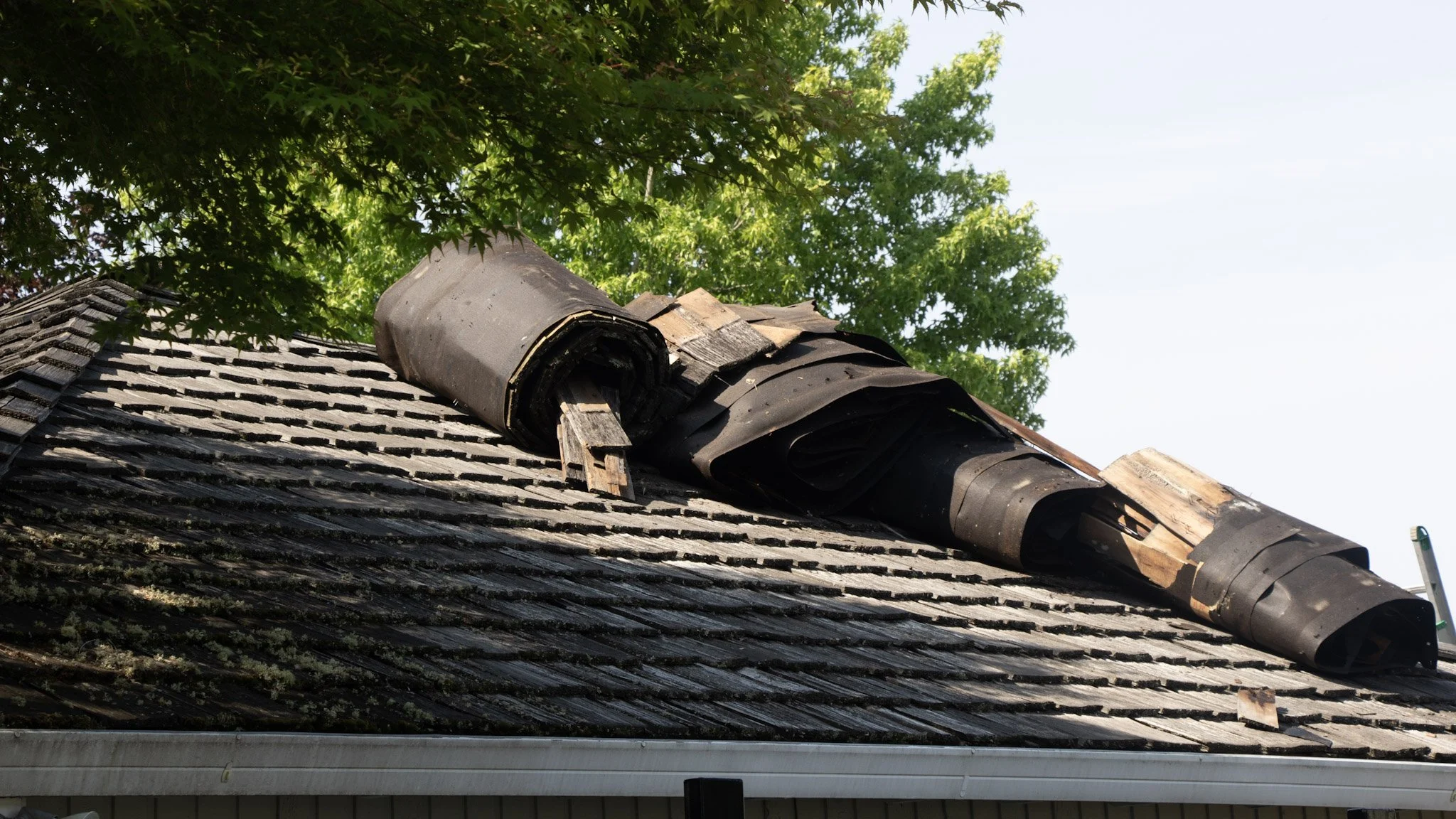
Water damage and storm damage can move fast in Portland and Vancouver. A roof leak after heavy rain, a frozen pipe during a winter cold snap, or wind damage during a storm can quickly shift from inconvenience to major disruption and property damage.
Before filing an insurance claim, it is important to understand how the general contractor insurance claim process works and what role an insurance restoration contractor actually plays.
Amplified Renovations is a hybrid design-build contractor. While we are not a mitigation company, we can work with homeowners navigating insurance claims for water and storm damage reconstruction. This guide explains what to expect, how to stay organized, and how to avoid common claim delays.
What Is an Insurance Restoration Contractor?
An insurance restoration contractor specializes in repairing damage covered by homeowners' insurance policies. This typically includes:
Water damage repair
Storm damage repair
Roof damage reconstruction
Structural rebuilding after covered events
Unlike standard remodeling projects, insurance restoration work requires:
Detailed scope documentation
Line-by-line itemized estimates
Coordination with insurance adjusters
Supplemental claim management
In Portland and Vancouver, where heavy rain, moss buildup, wind events, and older housing stock increase risk exposure, insurance-related repair work is common.
It is important to note that mitigation companies handle emergency drying and immediate damage control. Reconstruction is different. That is where a design-build contractor with structural and permitting experience becomes essential.
What to Know Before You File an Insurance Claim
Not All Damage Is Covered
Insurance policies typically cover sudden and accidental damage. They often do not cover long-term wear and tear, deferred maintenance, or gradual leaks.
For example:
A tree falling on a roof is typically covered.
Long-term roof failure is often not.
Understanding this distinction can prevent unnecessary claims.
Filing a Claim Can Impact Future Premiums
Insurance claims are recorded. Even smaller claims may affect renewal terms or future premiums. It is wise to understand potential consequences before filing.
Get a Contractor Assessment First
Many homeowners in Portland and Vancouver benefit from having a qualified contractor evaluate damage before filing a claim. An experienced contractor can help determine whether the damage likely meets policy thresholds and whether repair costs justify a claim.
How the Contractor Insurance Claim Process Works
Insurance projects require significantly more organization than traditional remodeling.
Initial Damage Assessment
The process typically begins with:
Visual inspection
Photo documentation
Moisture evaluation if water is involved
Structural assessment
Thorough documentation at this stage supports the entire claim.
Scope of Work and Estimate Creation
Insurance companies require a detailed breakdown. Estimates are typically broken down line by line rather than broad allowances.
This includes:
Demolition quantities
Material takeoffs
Labor categories
Code-required upgrades
Finish restoration
This level of organization differs from many design-build remodel estimates.
Working with the Insurance Adjuster
The contractor and insurance adjuster often meet on site to review the damage and align on the scope.
This stage may include:
Reviewing overlooked items
Clarifying repair vs replacement
Confirming code compliance requirements
Strong communication reduces delays.
Supplemental Claims
It is common for hidden damage to be discovered after demolition begins. When this happens, contractors submit supplemental documentation.
Common supplement scenarios include:
Additional water intrusion behind walls
Structural framing damage
Code upgrades triggered by permit requirements
Material matching limitations
Supplemental claims require detailed documentation and organized communication.
Why Insurance Jobs Require More Planning and Organization
Insurance projects are administratively heavier than standard remodels.
Detailed Up-Front Breakdown
Insurance carriers require documentation to support each line item. This includes measurements, quantities, and justification.
There is little room for vague budgeting.
Structured Payment Flow
Insurance payments may involve:
Actual cash value upfront
Depreciation holdback
Final release upon completion
Mortgage companies may also need to endorse checks. This adds another layer of coordination.
Multi-Party Communication
Insurance restoration work typically involves:
Homeowner
Insurance adjuster
Contractor
Mortgage lender
City permitting office
In Portland and Vancouver, permitting inspections may influence scope revisions and timeline adjustments.
What Typically Slows Down Insurance Restoration Projects
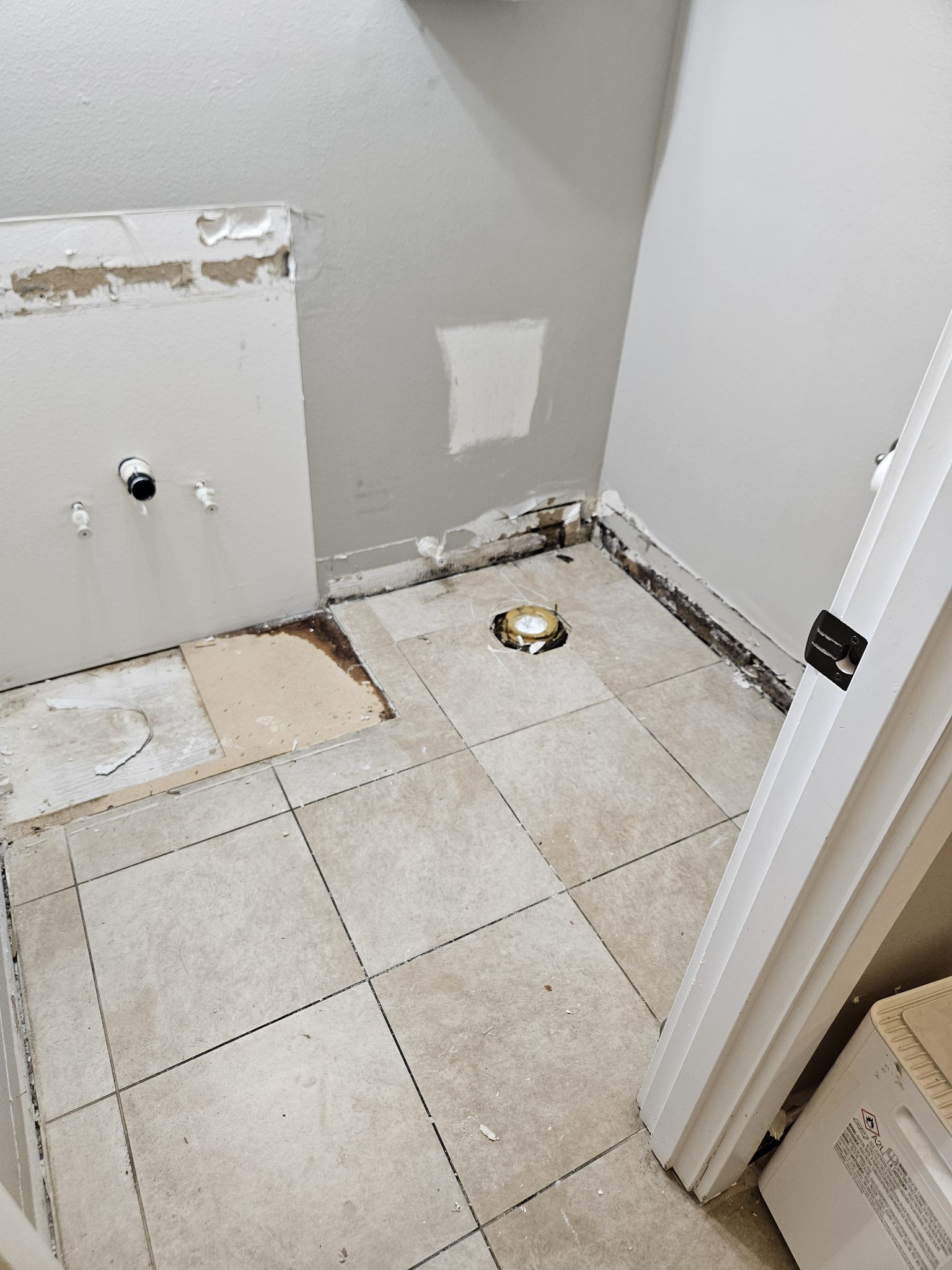
Understanding common delays helps set realistic expectations.
Incomplete Initial Scope
Initial adjuster inspections may miss hidden damage. Revisions take time.
Mortgage Endorsement Delays
If a lender is listed on the policy, payment checks may require endorsement before funds are released.
Permit Timelines
Permitting in Portland or Vancouver can delay the start of reconstruction projects, especially for structural work or roof replacements.
Material Matching Issues
Insurance policies often require matching existing materials. In older Portland neighborhoods, siding, roofing, or flooring may be discontinued, requiring scope expansion.
Policy Disputes
Coverage interpretation can occasionally slow project momentum.
Common Water and Storm Damage Causes in Portland and Vancouver
Heavy Rain and Roof Leaks
The Pacific Northwest climate increases roof wear and flashing failure risks.
Wind Events and Falling Limbs
Tree-heavy neighborhoods like Laurelhurst, Irvington, and parts of Vancouver frequently experience storm-related roof damage.
Basement and Crawlspace Moisture
Older homes with limited drainage systems are particularly vulnerable.
Choosing the Right Insurance Restoration Contractor
Not every contractor understands insurance reconstruction.
When evaluating contractors, look for:
Insurance Claim Experience
Ask about experience with supplements, adjuster coordination, and documentation.
Local Permitting Knowledge
Knowing how to work with the Portland Bureau of Development Services and Vancouver permitting processes reduces compliance delays.
Reconstruction Capability
Mitigation companies stabilize damage. Design-build contractors rebuild structures. Make sure the contractor you choose can manage structural, finish, and systems integration.
Restoration Company vs Design-Build Contractor
Restoration companies often focus on emergency response and drying.
Design-build contractors focus on:
Structural repair
Finish restoration
Systems coordination
Code compliance
Long-term performance
For homeowners planning to restore and improve their home after damage, working with a contractor who understands both reconstruction and broader remodeling can provide added flexibility.
Final Thoughts Before Filing a Claim
Filing an insurance claim is not always the first step. A structured evaluation comes first.
Insurance projects require:
Clear documentation
Organized scope writing
Coordinated communication
Patience with payment timelines
When handled properly, the process can restore your home efficiently while protecting long-term value.
