Which Home Renovations Add the Most Value in Portland-Metro?
Most homeowners ask the home renovation ROI question the wrong way. They Google "best return on home improvements," find a chart showing kitchen remodels return 70 cents on the dollar, and use that to decide whether to remodel their kitchen. That is not how the highest ROI on home improvements works in practice, and it is not how buyers think when they walk through your home.
The data matters. We will get into it. But the real answer to which renovation adds the most value in your home requires you to walk through your front door as a stranger, not as someone who has lived there for ten years. Those are two very different experiences, and the gap between them is where the highest-ROI decisions actually live.
What the Data Says
The best source we have found on this is the Cost vs. Value Report, published annually by the Journal of Light Construction. It tracks the average cost of common renovation projects and compares that against the value added at resale across markets nationwide. Pacific Northwest numbers tend to track close to the national averages, so it is a reasonable benchmark.
Strongest returns nationally from the 2024 report:
Garage door replacement: 194% ROI. Consistently the top-returning project in this report, year after year. If the garage door is dated, this is one of the highest-leverage things you can do for under $5,000.
Steel entry door replacement: 188% ROI. First impressions do a lot of work.
Manufactured stone veneer (exterior): 153% ROI. Curb appeal projects return well when the home's exterior is dated relative to the neighborhood.
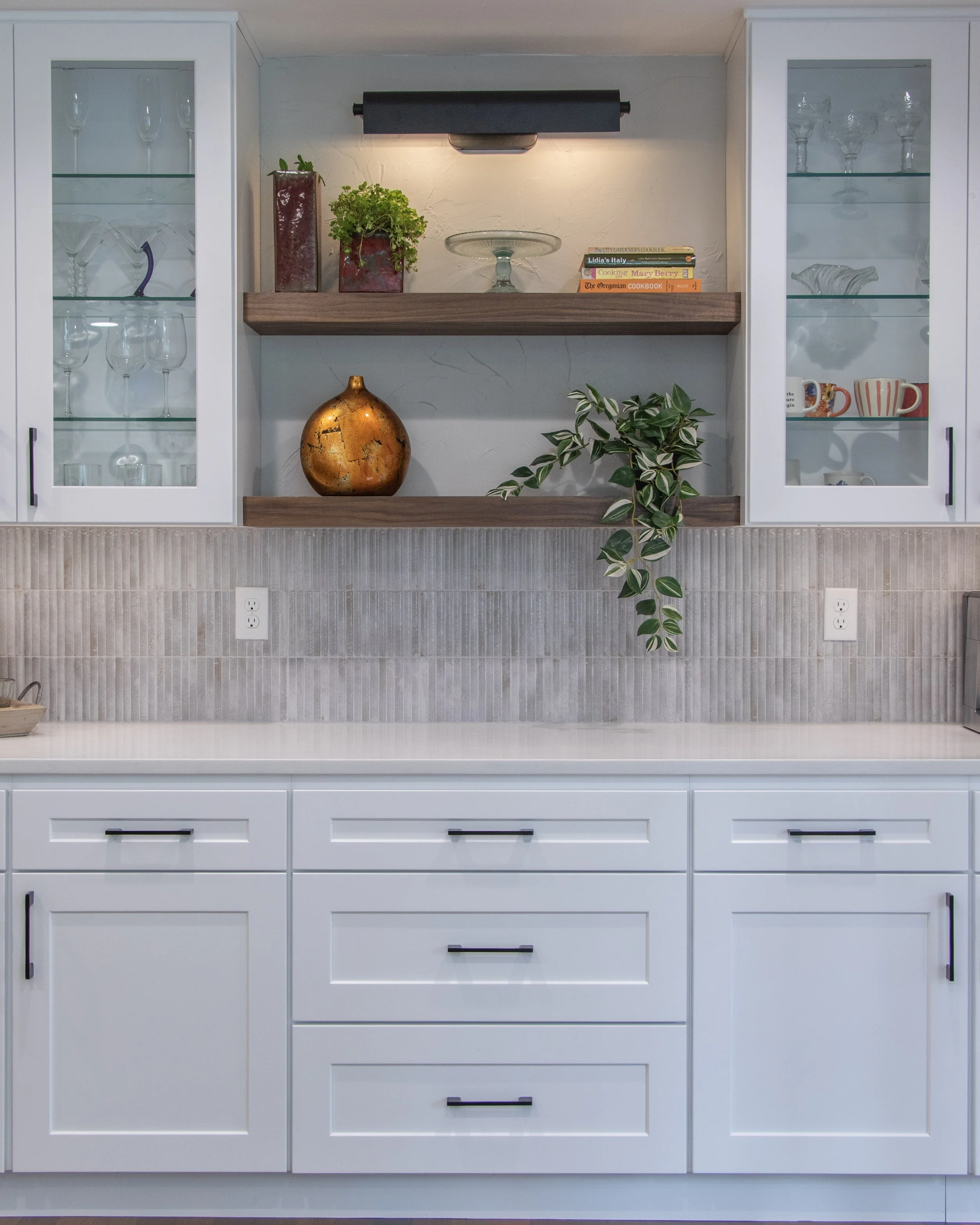
Minor kitchen remodel (midrange): 96% ROI. Updating a functional kitchen outperforms gutting it.
Bathroom remodel (midrange): 74% ROI.
Major kitchen remodel (midrange): 50% ROI.
Major kitchen remodel (upscale): 38% ROI.
Looking at this data, a few things stand out. The highest-returning projects are almost never the biggest or most expensive ones. Exterior and entry projects top the list. And the drop-off between a minor kitchen update and a full gut renovation is pretty significant; the drop from midrange to upscale major remodel is almost as steep.
That tells you a lot about where renovation spending starts to outpace what buyers are willing to pay. It also shows where the mindset for starting a renovation needs to shift from purely ROI to sound investments that offer functional benefits for your family immediately, provide lower and safer short-term returns if you need to sell, and help increase your home's mid- to long-term value.
Why the Data Only Tells Half the Story
The Cost vs. Value Report averages returns across thousands of homes. It makes assumptions such as a midrange kitchen going from average condition to updated. It does not account for your kitchen, your neighborhood, or its current condition compared with the comparable homes a buyer would be cross-shopping.
A 96% return on a minor kitchen remodel assumes you are starting from average. If your kitchen is significantly below the baseline for your price point and neighborhood, the return on updating it could be well above that. If your kitchen is already modern and functional, the return on updating it further is probably well below it.
This is why the data is a starting point, not an answer.
The Buyer's Lens: The Framework That Actually Drives Decisions
Here is the exercise we walk clients through when they are trying to decide where to put home improvement project dollars: walk through your front door as if you are seeing the house for the first time with no attachment to it, and notice what you notice.
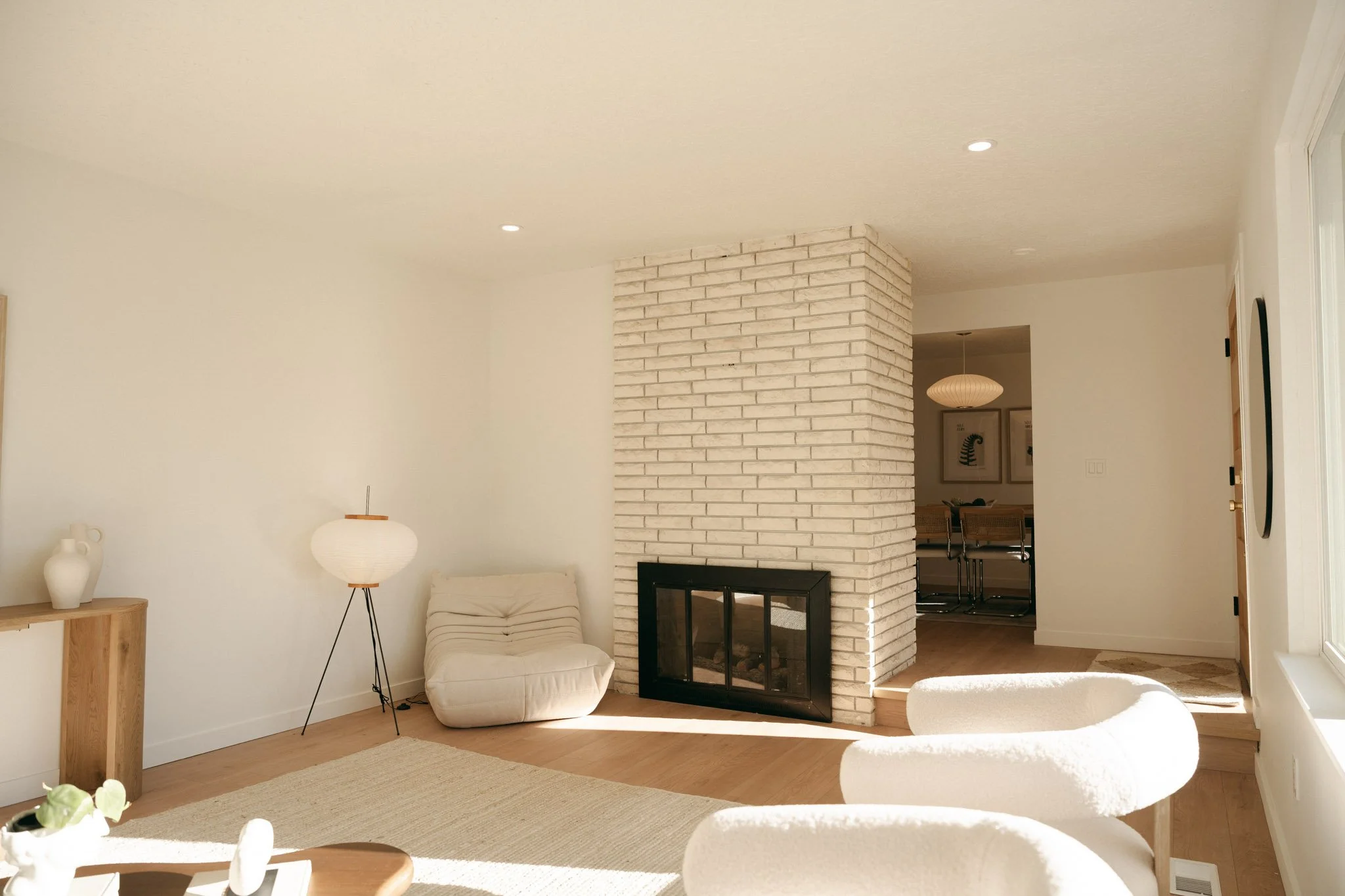
Not what you know is there. Not the things you have been meaning to fix. What a stranger sees in the first sixty seconds.
This matters because buyers make emotional decisions fast and rationalize them slowly. What they see first shapes how they interpret everything else in the house. A buyer who walks into a home with beautiful hardwood floors, a clean entry, and fresh paint is already predisposed to see the rest of the house generously. A buyer who walks into scuffed floors, a dark entryway, and dated fixtures is already building a mental discount before they have seen a single room.
We call these projects tone-setters. They do not add the most square footage or the most features. They change the lens through which the potential buyer evaluates everything else.
A real example: A home in the Portland metro has original hardwood floors throughout the main level. They are not destroyed, but they are dull, scratched, and show their age. The buyer walks in and immediately registers the floors.
From that point forward, they notice wear on everything: the trim, the fixtures, the paint. They make a low offer and cite "deferred maintenance" even though the roof is new and the mechanicals are solid.
Refinishing those floors costs $3,000 to $5,000 (roughly $10-$15 per square foot) in most Portland and Vancouver homes. The return is not just in the floors. It is in the way the buyer reads the entire house. That is why floor refinishing has a 147% average ROI and why the real-world return in a tone-setter situation is often higher than that average suggests.
Our Take: High-ROI Projects Broken Down for the Portland and Vancouver Metro
1. Hardwood Floors
The data on floors is strong, but what we see in the field is what makes it real. In Portland and Vancouver, many early 1900s or mid-century homes have original hardwood sitting under carpet, or just exposed and in dire need of refinishing. When a homeowner pulls that carpet and finds refinishable floors, it is genuinely one of the best ROI moments we see in this business.
A $3,000 to $5,000 refinish for 300 to 400 square feet of flooring in central rooms such as an entryway, living room, or primary bedroom changes the feel of the entire home and how buyers read everything else in it.
Refinishing beats replacing in almost every case where the existing floors are structurally sound. Most homes in Portland and Vancouver use locally milled lumber such as Douglas Fir, which refinishes incredibly well.
New installation is worth a serious conversation when your main living areas have carpet with no hardwood underneath, and comparable homes in your price range have hardwood. Buyers notice that gap, and they price for it.
2. Kitchen Updates
The report backs up what we tell clients: minor kitchen updates outperform major renovations at resale. Maintaining the layout but installing cabinets, countertops, floors, paint, and appliances in a functional layout gets you close to dollar-for-dollar. Gutting and reconfiguring a kitchen in a midrange home typically does not provide as high a return.
That said, the data alone does not tell you whether a full renovation makes sense for your specific situation. If you are looking to update your kitchen to sell your home, the question we always start with is whether the kitchen is a dealbreaker or just cosmetically dated.
If buyers in your price range are walking because the kitchen is genuinely obsolete- not just older-looking but functionally behind the competition- a more significant renovation can be what gets the home sold. Those are two very different scopes with very different ROI profiles.
If you don’t plan to sell your home, a more significant kitchen upgrade where layout is changed, or space is added, requires a different lens entirely. It adds immediate value to your daily life, and if the real estate market stays relatively stable and appreciates, a substantially updated kitchen will increase both sellability and value.
The question of ROI for these decisions shifts from “what should I do” to “how should I do it.” Apart from layout changes, kitchen updates can get expensive quickly. Things like natural stone countertops, solid cabinets, and luxury appliances add cost quickly.
3. Bathrooms
The report puts midrange bathroom remodels at 74% nationally. That number sounds modest, but it doesn't capture what we actually see in Portland and Vancouver. An outdated or missing primary bathroom is one of the most common projects we take on. A tile refresh, new vanity, and updated fixtures can change how a buyer reads the entire house.
What the report does not capture is the nature of many homes in the greater Portland Metro. These homes are older and often have only 1 bathroom, lack an ensuite, or have small closet bathrooms with weird layouts. In Portland, adding a bathroom or shifting the layout of an older bathroom can really make your home stand out.
These projects are usually more expensive than a simple pull-and-replace and require permits, but the added costs are often worth the extra functionality and modernization. In Vancouver, where most homes were built with a modern layout and have at least 2 bathrooms, pull-and-replace remodels are extremely common. Projects such as swapping shower inserts for tiled showers or adding double vanities add a luxurious feel without significant alterations.
4. ADUs and Income-Generating Renovations
ADUs sit in their own category because the math works differently. Every other project on this list adds value at resale and everyday living. An ADU does that too, but it also brings the potential to generate income while you still own the property. Even if you don’t plan to rent out your ADU while you own the home, that combination changes the ROI conversation by adding tangible cash generation to the equation.
In the Portland and Vancouver metro, we think ADUs are one of the strongest long-term investments available to homeowners who plan to stay put for several years. A well-built detached ADU in Vancouver can rent for $1,400 to $1,900 per month depending on size, finish, and neighborhood. At those numbers, a $200,000 to $300,000 ADU investment can pay back in seven to ten years on rental income alone, with meaningful added resale value on top.
One important distinction for this market: Portland and Vancouver have different rules around short-term rentals. Portland's SDC Waiver Program, which many homeowners use to offset permitting costs, comes with a ten-year restriction on operating a short-term rental on the property. Vancouver has no equivalent restriction. If Airbnb or short-term rental income is part of your ROI calculation, that distinction matters significantly when deciding which side of the river to build on.
For a full breakdown of ADU rules, costs, and timelines in the Vancouver and Portland metro, see our complete ADU guide for Vancouver, WA, and our Portland ADU guide.
5. Curb Appeal and Entry Projects
The cost-vs.-value data is not subtle here. According to data, garage door replacement, entry door replacement, and exterior veneer all return above 150%. Buyers evaluate these projects before they step inside, which means they shape expectations before anything else has a chance to.
In a market where buyers are often comparing five to ten homes in a weekend, curb appeal is a real competitive variable. Curb appeal projects often cost less than interior remodeling projects, so the perceived positive impact relative to the cost results in high ROI.
A Note on Renovation ROI vs. Staying in Your Home
Not every renovation decision is about resale. If you are planning to stay in your home for ten or more years, quality of life becomes a legitimate part of the ROI equation. A primary bathroom that you use every day has a different value proposition than one you are updating to sell in six months.
That said, the projects that are worth doing for quality of life tend to overlap significantly with the ones that return well at resale: kitchens, bathrooms, floors, and ADUs. The decisions that feel furthest apart are usually at the high end of the budget, where ultra-custom or luxury upgrades improve your daily experience but don't return proportionally at resale in most market segments.
Frequently Asked Questions
What home renovations have the best ROI?
According to the 2024 Cost vs. Value Report, the highest-returning projects nationally are garage door replacement (193%), steel entry door replacement (188%), manufactured stone veneer (153%), and hardwood floor refinishing (147%). In the Portland and Vancouver market, projects that address visible deferred maintenance and tone-setting areas like entryways and main-level floors tend to perform particularly well given the region's mid-century housing stock.
Does a kitchen remodel add value to a home?
Yes, but the size and scope of the remodel matters. A minor kitchen remodel returns approximately 96 cents on the dollar at resale. A major upscale remodel returns closer to 38 cents. If we are looking at this question purely from an ROI perspective, updating a functional kitchen outperforms gutting and reconfiguring it in most market segments.
If the kitchen has a bad layout or if you plan to stay in the home longer, our definition of “value” changes. But, barring substantial economic downturns or highly custom/luxury work, remodeling your kitchen ought to add value.
Is an ADU a good investment in Portland or Vancouver, WA?
An ADU can be one of the strongest long-term investments available to Portland and Vancouver homeowners, particularly for those planning to stay in the home and rent out the ADU. The combination of rental income and added resale value creates a different ROI structure than a traditional renovation. Vancouver offers some advantages over Portland, including no SDC system, fewer design restrictions, and more flexible short-term rental rules.
How do I know which renovation is right for my home specifically?
The most reliable method is to evaluate your home through a buyer's lens: walk through as a stranger, identify what creates a first impression of wear or quality, and compare your home's condition to recent comparable sales in your neighborhood. Projects that close gaps between your home and the competition, and that change the first impression a buyer forms, tend to return the most in your specific situation.
What renovations do NOT add value?
Ultra-luxury upgrades in average price-point neighborhoods, highly customized finishes that narrow buyer appeal, and additions that push a home significantly above the neighborhood ceiling tend to return poorly at resale. Swimming pools are also frequently cited as low-return in the Pacific Northwest climate.