Phase 1: Feasibility and Design (~1 Month)
The first stage of an ADU project focuses on determining what is possible on your property and designing a layout that fits both zoning requirements and your goals.
During this phase, contractors and homeowners typically work through:
Property zoning review
Site feasibility evaluation
ADU layout and floor plan planning
Initial cost estimates
Utility considerations (water, sewer, electrical)
Portland has specific ADU rules related to:
Lot coverage
Setbacks
Building height
Parking requirements
An experienced ADU builder will review these early so the design aligns with local regulations. The goal of this phase is to create a design that works both functionally for the homeowner and legally within Portland's ADU regulations.
For homeowners who already have a clear vision for the ADU layout, this phase can move quickly. Others may spend more time refining the design or working with an architect or designer.
Phase 2: ADU Permitting in Portland (2–4 Months)
After the design is finalized, the project moves into the permitting phase.
The ADU permit timeline in Portland is sometimes the longest and often the most difficult phase to control, as city review can take several months depending on workload and project complexity.
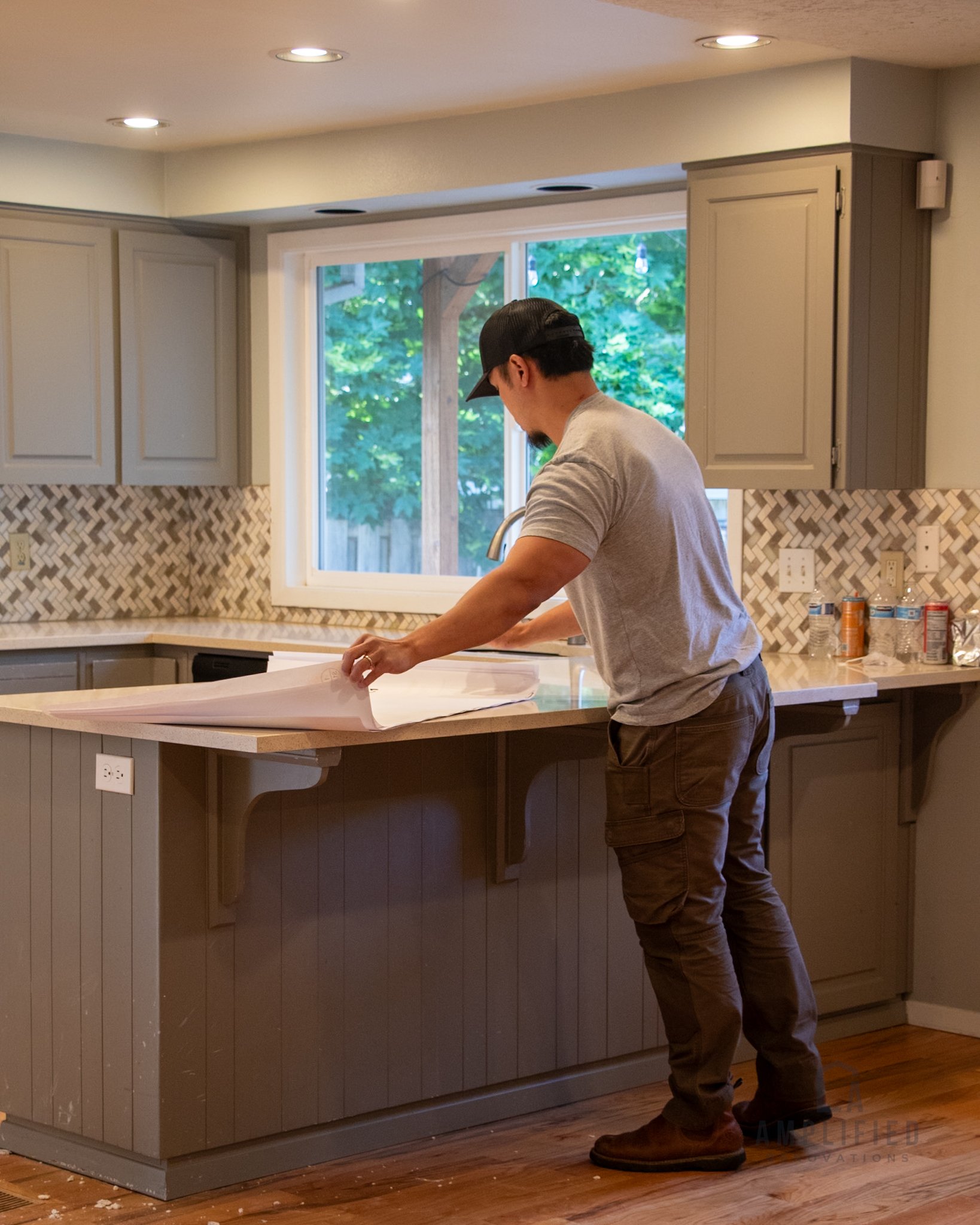
During this phase, contractors submit construction drawings and documentation to the city for review. This process ensures the ADU meets all building codes, zoning regulations, and safety standards.
Permitting typically includes review of:
In Portland, ADU permits can take anywhere from two to four months to be approved.
Experienced builders often begin scheduling construction timelines during this phase so work can begin shortly after permits are issued.
Phase 3: ADU Construction (2–4 Months)
Once permits are approved, construction begins.
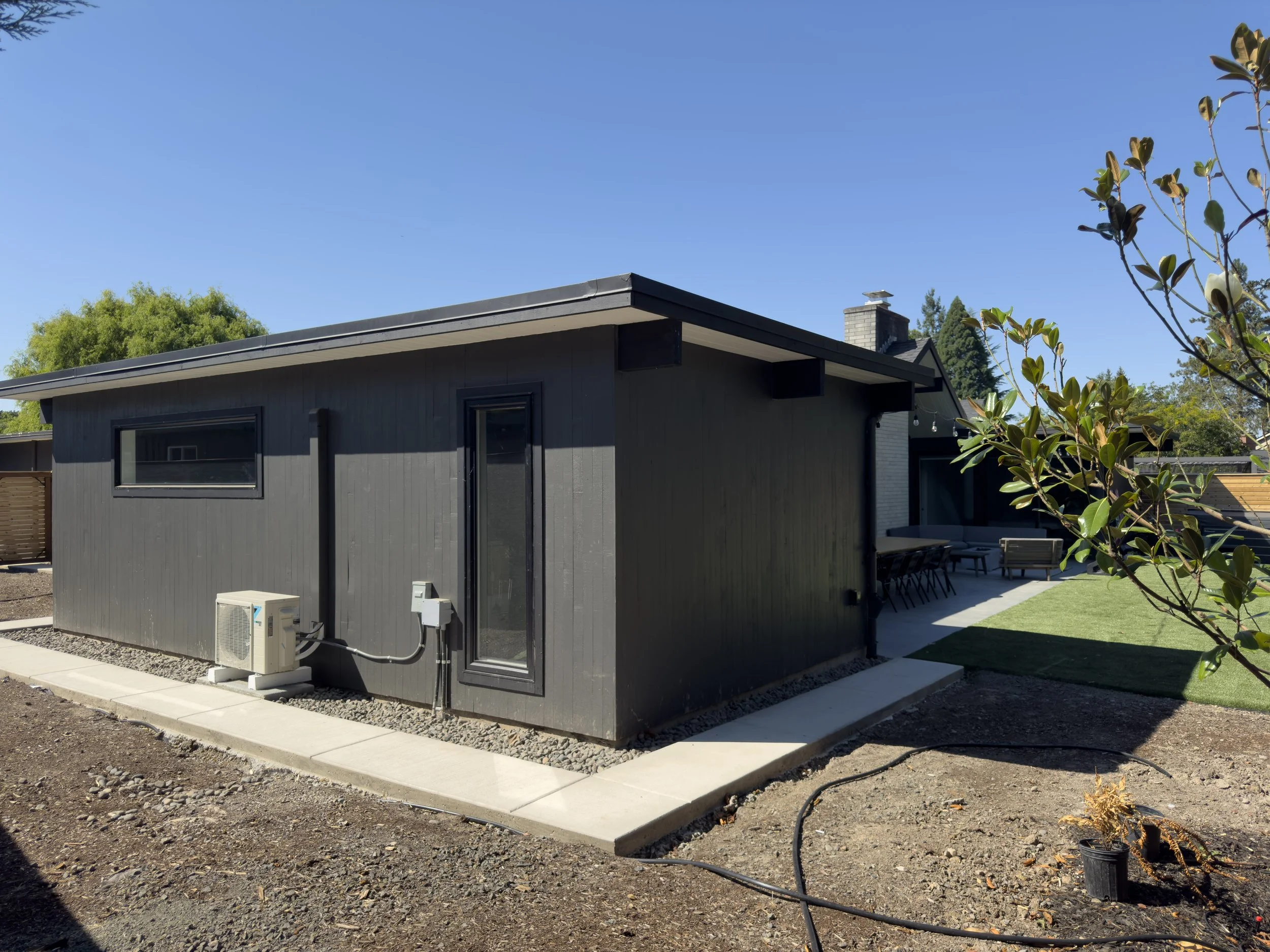
While the full ADU timeline may span several months, the actual construction phase typically lasts 2 to 4 months, depending on the size of the unit, site conditions, weather, and inspection scheduling. In Portland, new construction and additions generally move through a sequence of foundation work, framing, rough trades, insulation, drywall, finishes, and final inspections.
A typical ADU construction schedule includes the following stages:
Site Preparation and Foundation
Construction begins with preparing the site and installing the foundation.
Depending on the type of ADU, this may involve:
clearing space for a detached structure
excavation and grading
utility trenching
pouring footings, stem walls, or a slab foundation
This stage also includes any under-slab plumbing or utility prep required before concrete is placed. Portland’s inspection guidance notes that under-floor plumbing, electrical, and mechanical systems must be installed and approved before certain slab work is completed.
Framing and Structural Work
After the foundation is complete, framing begins.
This stage creates the structural shell of the ADU, including:
floor framing, if applicable
exterior and interior walls
roof framing
window and door openings
shear walls and other structural elements required by the plan
At this point, the ADU starts to take physical shape.
Roofing, Windows, and Exterior Weatherproofing
Once framing is up, contractors typically work to dry-in the structure.
This may include:
roof sheathing and roofing
house wrap or weather barrier
window installation
exterior door installation
Getting the structure weather-tight helps protect the project and allows interior work to continue more efficiently.
Trade Rough-Ins
After the shell is established, the mechanical systems are installed inside the walls, floors, and ceilings.
This usually includes:
This is one of the most important phases because these systems need to be coordinated before the walls are closed. Portland requires rough trade inspections before later phases can proceed.
Framing and Rough Trade Inspections
Once framing and rough-ins are complete, the project proceeds to the required inspections.
For Portland residential new construction and additions, this typically includes a framing inspection after rough trade approvals, followed by insulation and final inspections.
Inspection timing can affect the ADU schedule, especially if corrections are required before the next stage can begin.
Insulation
After framing and rough trade inspections are approved, insulation is installed.
This includes:
Portland’s sequence places insulation after rough trade and framing approvals.
Drywall and Interior Wall Finish
Once insulation is complete, drywall is installed and finished.
This stage typically includes:
At this point, the ADU begins to look and feel like a finished living space.
Interior Finishes
The final interior phase focuses on the finishes that make the ADU livable.
This usually includes installing:
flooring
cabinetry
countertops
tile
interior doors and trim
paint
lighting fixtures
plumbing fixtures
appliances
Final Trade and Building Inspections
As the project wraps up, the ADU goes through final inspections.
Portland’s final phase for new construction includes final electrical, plumbing, mechanical, building, and permit sign-off before occupancy.
This is the last major step before the ADU is ready for move-in.