
General Contractor vs Design-Build in Portland
Which Is Better for Your Home Remodel?
One of the biggest decisions homeowners face when planning a remodel is choosing between a traditional general contractor and hiring a design-build firm. Both models can produce excellent results for your dream home, but each comes with its own workflow, communication style, and best-fit project types.
This guide explains the differences, when each option makes sense, and how Amplified Renovations operates as a flexible design-build general contractor to support both paths.
What a General Contractor in Portland, Oregon Does
A general contractor manages the construction phase of your remodel. Homeowners traditionally hire an architect or designer first, then bring a GC in to execute the plans.
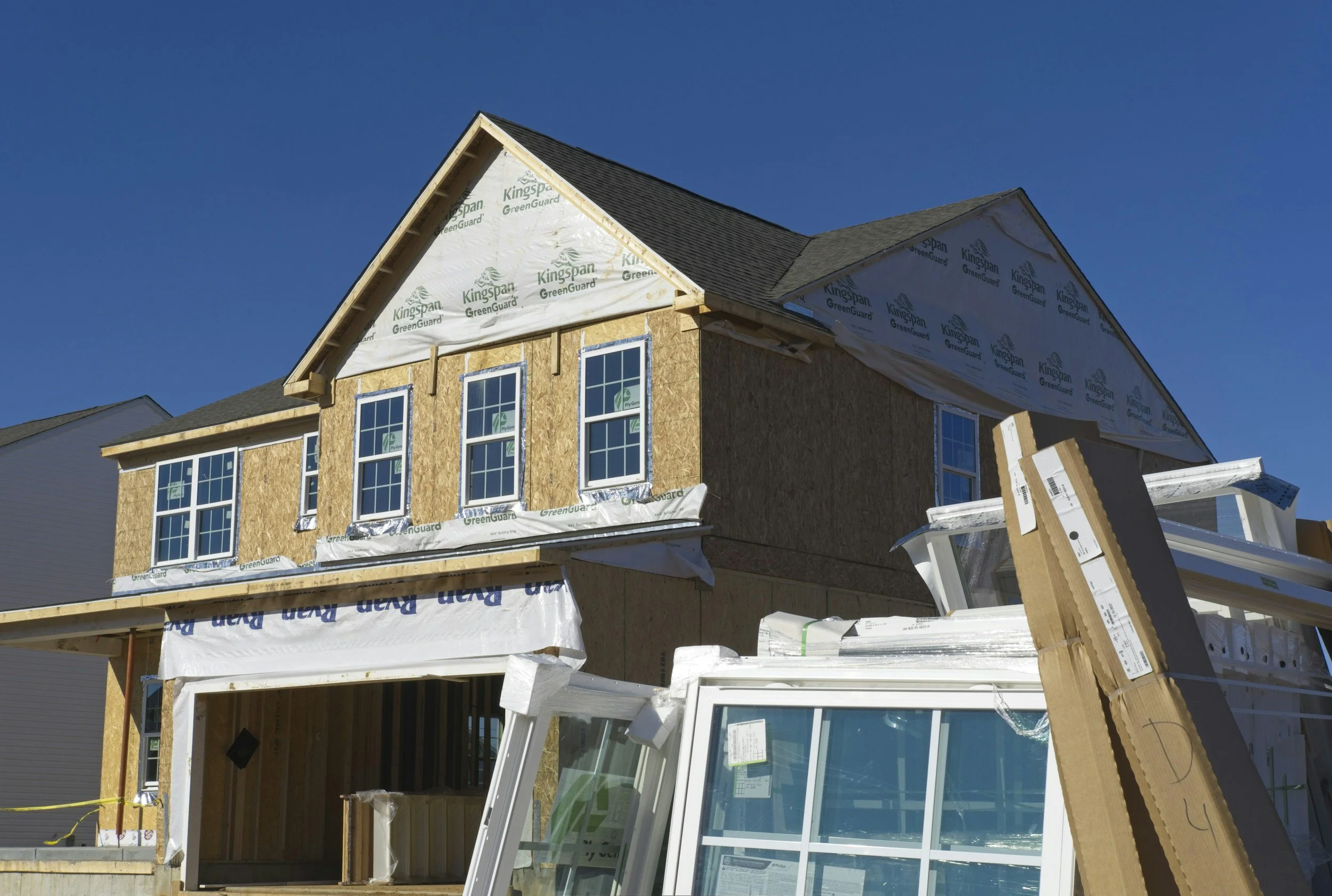
A GC typically handles:
Hiring and supervising subcontractors
Managing materials and scheduling
Overseeing inspections
Communicating construction progress
Executing the project according to architectural plans
A general contractor works well when:
You already have architectural drawings
You prefer to choose your own designer
The project is straightforward or cosmetic
You want to gather multiple bids on completed plans
GCs excel in situations where you already have a designer or architect, the design phase is finished, and the homeowner simply needs a skilled builder to execute.
What a Design-Build Firm Does
Design-build firms combine architectural design, engineering, permitting, and construction into one team. Instead of managing multiple companies, you work with a single group from concept to completion.

Design-build firms typically handle:
Concept home design in Portland and space planning
Architectural drawings
Engineering coordination
Permit submission and approval
Material selections
Full construction and project management
Design-build works well when:
You want one point of contact
You prefer a guided process from idea to final build
Your project includes layout changes or structural work
You want faster pre-construction and fewer handoffs
With design-build, communication and accountability are streamlined because everyone is aligned under one contract and one workflow.
The Hybrid Model: How Amplified Renovations Bridges Both Models
Amplified Renovations operates as a flexible design-build general contractor for Portland and Vancouver homeowners. This means we do not force clients into only one project path. Instead, we support you based on where you are in the process.
We offer two seamless options:
Complete in-house design-build for homeowners starting from scratch. This includes concept design for kitchens, bathrooms, full-homes, ADUs, architectural drawings, engineering, permitting, project management, and construction.
Build-only general contracting for clients who have already hired an architect or designer. We work directly with your design team, handle the permit process, manage subcontractors, and execute the build with precision and communication.
This hybrid structure offers the best of both worlds.
Homeowners who need creative guidance can take advantage of our full design-build service, while those who have already completed their design phase benefit from a dedicated, organized, construction-focused team that integrates easily with outside professionals.
No matter which path you choose, you work with one company committed to clear communication, thoughtful planning, and high-quality craftsmanship.
Key Differences Between GC and Design-Build
Understanding how the two models differ helps you determine which fits your project best.
Project Workflow
General contractor:
The design phase is separate. Homeowners hire an architect or designer, complete drawings, then bring in a GC.
Design-build:
The entire project is managed by a single team from concept to construction.
Cost Structure
General contractor:
GCs typically bid from completed drawings, so pricing accuracy depends on the quality of the plans.
Design-build:
Design-build tends to produce more accurate cost projections because design decisions are connected to budgeting from the start.
Communication
General contractor:
There are multiple handoffs between the designer, engineer, and GC.
Design-build:
Fewer handoffs and a unified team often result in smoother communication and faster decision-making.
Project Timeline
General contractor:
Design and engineering occur before construction bids begin, which lengthens pre-construction timelines.
Design-build:
Because everything is managed by one team, design and construction planning often overlap, leading to faster project starts.
How Portland’s Permit and Zoning Rules Affect Your Choice
Portland’s permitting system can be complex, especially with structural work, electrical upgrades, seismic requirements, or egress additions. Design-build teams often have an easier time navigating permit submittals because the design and construction teams work together.
Homeowners working with their own architect should choose a GC experienced with Portland BDS and Washington County regulations.
Frequently Asked Questions
Is design-build more expensive than hiring a general contractor?
Design-build is not necessarily more expensive. In many cases, integrated planning reduces change orders and unexpected costs, making the overall investment more predictable.
Can I bring my own designer to a design-build company?
Some firms do not allow this, but Amplified Renovations supports clients with outside designers through its build-only service path.
What projects are best for general contractors?
Small bathroom remodels, flooring, cosmetic updates, or builds with pre-completed architectural plans fit well with GC-only services.
What projects are best for design-build?
Kitchens, basements, additions, structural modifications, and any remodel that requires drawings or engineering benefit from the design-build model.
Does Portland require permits for most remodels?
Projects with plumbing, electrical, HVAC, structural changes, or layout modifications almost always require permits. Simple cosmetic work generally does not.
