
Second Story Addition Cost in Portland & Vancouver
For many homeowners in Portland and Vancouver, WA, the need for more space eventually runs into a hard limit. Lots are often constrained, zoning can restrict outward expansion, and moving is not always the preferred option. A second-story addition offers a way to gain substantial square footage without increasing a home’s footprint.
Second-story additions are among the most complex residential remodeling projects in the region, but they also deliver some of the highest long-term value when planned correctly. This guide explains what second-story additions cost in Portland and Vancouver, what drives pricing, and how to determine whether building up is the right solution for your home.
What Is a Second Story Addition?
A second-story addition involves constructing a full new level above an existing home. Unlike dormers, which typically expand attic space or add limited headroom, a second-story addition creates entirely new living space.
Homeowners often use second-story additions to add:
Additional bedrooms and bathrooms
Primary suites with walk-in closets
Home offices or flexible living areas
Multi-room expansions for growing households
Because these projects significantly alter a home's structure, they require detailed engineering, permitting, and coordination across multiple trades.
How Much Does a Second Story Addition Cost in Portland & Vancouver?
In both Portland and Vancouver, most second-story additions fall within a consistent but wide cost range.
Typical Second Story Addition Cost Range
- Total: $150,000 to $400,000+
- By square foot: $300 to $400+ per square foot (assuming at least 500 square feet added)
Projects on the lower end of this range usually involve fewer rooms, simpler layouts, and minimal changes to the existing first floor. Larger second-story additions with bathrooms, stair reconfiguration, and upgraded exterior finishes typically trend toward the higher end.
While costs in Vancouver often track closely with those in Portland, final pricing depends more on structural requirements and overall project scope than on city boundaries.
What Structural Work Is Typically Required for a Second Story Addition?
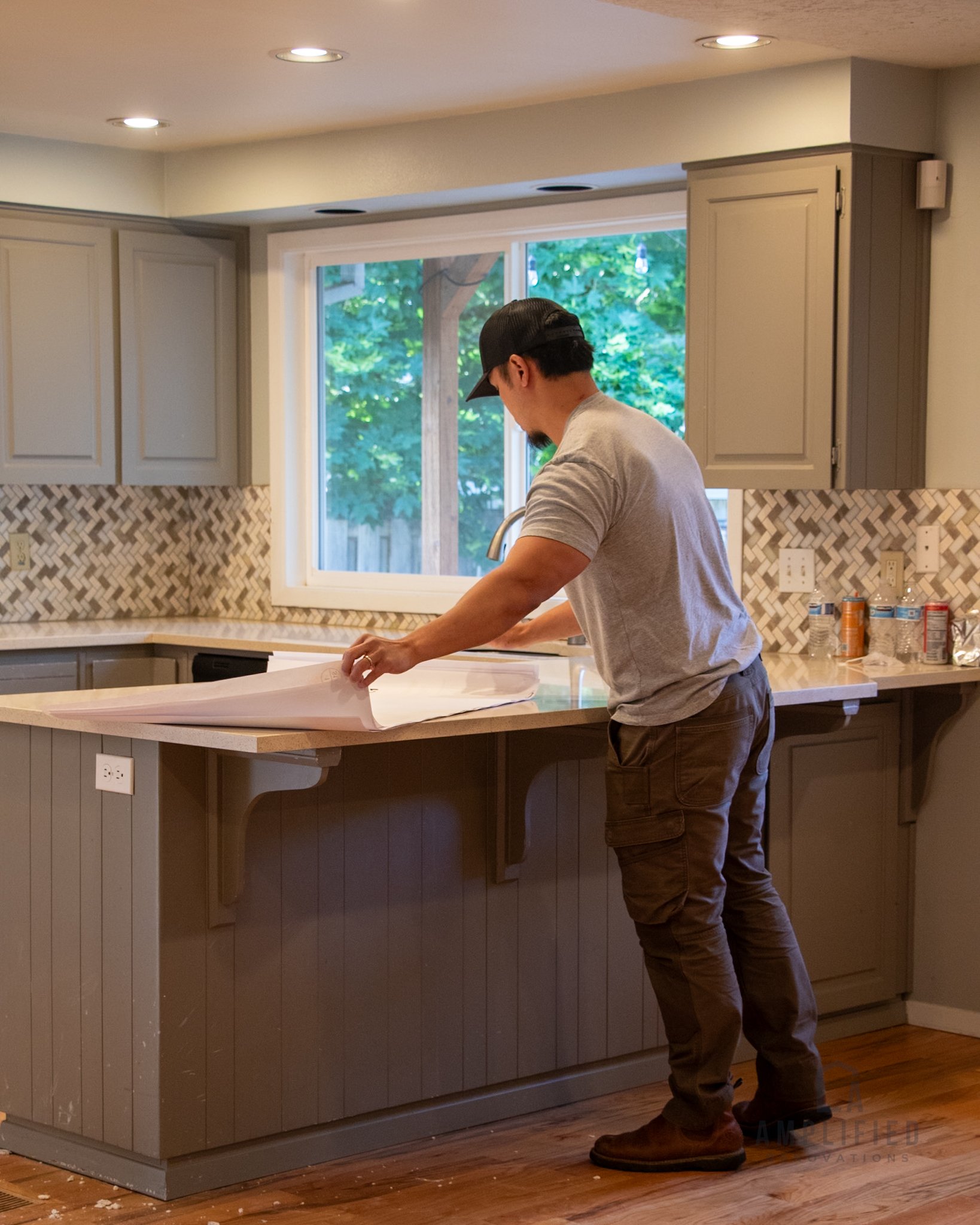
Adding a second story changes the home's load distribution. Before construction begins, the existing structure must be evaluated to ensure it can safely support the additional load.
Common structural work involved in second-story additions in Portland and Vancouver may include:
Framing and Load Path Upgrades
New beams, posts, or headers are often added to transfer weight from the new floor down through the existing structure. This ensures loads are carried continuously from the roof to the foundation.
Floor and Wall Reinforcement
Existing walls and floor systems may need reinforcement or reconfiguration to support the added level. This may include doubling framing members or adjusting first-floor wall layouts.
Foundation Evaluation and Targeted Reinforcement
In some cases, foundations require strengthening to support increased loads. This does not always require replacing the foundation; it may involve adding footings, piers, or localized reinforcement at key support points.
Roof Removal and Structural Rebuild
Most second-story additions require removing the existing roof structure and rebuilding it after the new level is framed. This allows proper integration of the new story and ensures long-term stability.
Seismic and Code Upgrades
Because second-story additions involve major structural changes, homes are often required to meet updated seismic and structural codes. These upgrades improve safety and resilience, especially in older homes.
The exact scope of work depends on the home’s age, framing type, foundation condition, and layout. A structural evaluation early in the planning process helps determine what upgrades are necessary and avoids surprises during construction.
Why Second Story Additions Cost More Than Other Additions
Second-story additions are more expensive than most ground-level additions due to their complexity.
Structural Reinforcement
Before adding a second floor, the existing foundation and framing must be evaluated. Many homes require structural upgrades to support the additional load.
Roof Removal and Reconstruction
Most second-story additions involve removing the existing roof, building the new level, and installing a new roof system. This adds labor, materials, and coordination.
Engineering and Permitting
Second-story additions require structural engineering, detailed drawings, and multiple inspections. These steps are essential for safety and compliance, but increase upfront costs.
Mechanical System Extensions
Plumbing, electrical, and HVAC systems often need to be extended or reconfigured to serve the new level, especially when bathrooms are added upstairs.
What Drives the Cost of a Second Story Addition?
Several factors influence where a project falls within the overall cost range.
Size and Layout
The number of rooms, bathrooms, and closets has a major impact on cost. A single bedroom addition is far less complex than adding multiple rooms and bathrooms.
Staircase Location
Every second-story addition requires a new or modified staircase. Stair placement affects framing, layout, and the extent of required first-floor alterations.
Exterior Integration
Siding, windows, roofing, and trim must integrate cleanly with the existing home. Matching materials or upgrading the exterior can affect both cost and appearance.
Interior Finishes
Flooring, bathrooms, cabinetry, and built-in storage all influence final pricing. Finish selections often account for a significant portion of the cost range.
Second Story Addition vs Other Ways to Add Space
A second-story addition is not always the best option, but it is often the most effective under certain conditions.
Building up vs building out
Building up preserves yard space and avoids lot coverage limits, which is especially important on smaller urban and suburban lots.
Second story addition vs dormer
Dormers can improve headroom or add limited square footage, but they rarely deliver the same functional space as a full second story.
Second story addition vs ADU
ADUs create separate living spaces, while second-story additions expand the primary home. The right choice depends on household needs, zoning, and long-term plans.
Structural and Permitting Considerations in Portland & Vancouver
Second-story additions require thorough structural review and permitting in both cities.
Most projects involve:
Engineering analysis of existing foundations and framing
Full building permits with staged inspections
Height, setback, and zoning compliance review
Additional scrutiny in historic or conservation districts
Permitting processes and timelines differ between Portland and Vancouver, but both jurisdictions require engineering review and careful inspection sequencing for second-story additions.
How Long Does a Second Story Addition Take?
Second-story additions are multi-phase projects with longer timelines than most remodels.
Typical phases include:
Planning, engineering, and permitting can take several months, but if done effectively, can be as short as 1 month
Construction that often spans 1-3 additional months, depending on the scope
Because the roof is involved, weather planning and sequencing are especially important in the Pacific Northwest.
Is a Second Story Addition Worth It?
For many homeowners, the value of a second-story addition goes beyond resale.
Common benefits include:
Significant increases in usable square footage
Improved bedroom and bathroom count
Better long-term livability for growing families
Avoiding the cost and disruption of moving
While second-story additions are a major investment, they are often among the most effective ways to adapt an existing home to long-term needs.
Increasing the liveable square footage of a home directly increases value, as you can now multiply your new square footage by the cost per square foot you believe your home is worth. Adding new bedrooms or bathrooms to your addition, or upgrading finishes during your remodel, should also directly affect your home's per-square-foot value.
Is Your Home a Good Candidate for a Second Story Addition?
Not every home is suited for vertical expansion. Good candidates often share several characteristics:
A foundation capable of supporting additional load
A layout that can accommodate a new staircase
Zoning that allows increased height
A budget that accounts for structural and exterior work
An early feasibility evaluation helps determine whether a second-story addition makes sense or if another expansion approach may be more practical.

Planning a Second Story Addition the Right Way
Successful second-story additions start with careful planning. Structural evaluation, layout decisions, and realistic budgeting all help keep the project aligned with expectations.
Understanding costs, constraints, and tradeoffs early allows homeowners in Portland and Vancouver to move forward with confidence with a second-story addition contractor and avoid surprises once construction begins.
Frequently Asked Questions
How much does a second-story addition cost in Portland or Vancouver?
Second-story addition cost varies widely based on square footage, structural requirements, and interior finishes. A good “minimal starting point” for the cost of a very basic second-story addition with minimal structural support work needed is $150,000, with typical project costs ranging to $400,000+.
In the Portland and Vancouver area, projects are typically a significant investment due to engineering, roof removal, and system upgrades.
Do I need a structural engineer for a second-story addition?
Yes. A structural engineer is almost always required to evaluate the existing foundation and framing and design reinforcements needed to support the additional weight of a second level.
Can my existing foundation support a second-story addition?
Sometimes, but not always. Many homes require foundation and structural upgrades before adding a second story. This evaluation is one of the first steps in any responsible story addition project.
What types of spaces are typically added in a second-story renovation?
Most homeowners use second-story additions to create new bedrooms, bathrooms, or flexible living space, such as a home office, while preserving yard space at ground level.
