
Composite Decking vs Wood Decks in Portland & Vancouver
Outdoor living spaces are a major upgrade for homeowners in Portland and Vancouver, but choosing the right decking material matters more here than in many other regions. Frequent rain, moss growth, and long wet seasons mean that durability, maintenance, and long-term performance should factor heavily into your decision.
This guide compares composite decking vs wood decks specifically for Portland and Vancouver homes, with clear insights into cost, maintenance, permitting, and long-term value.
Composite Decking vs Wood Decks: Quick Comparison
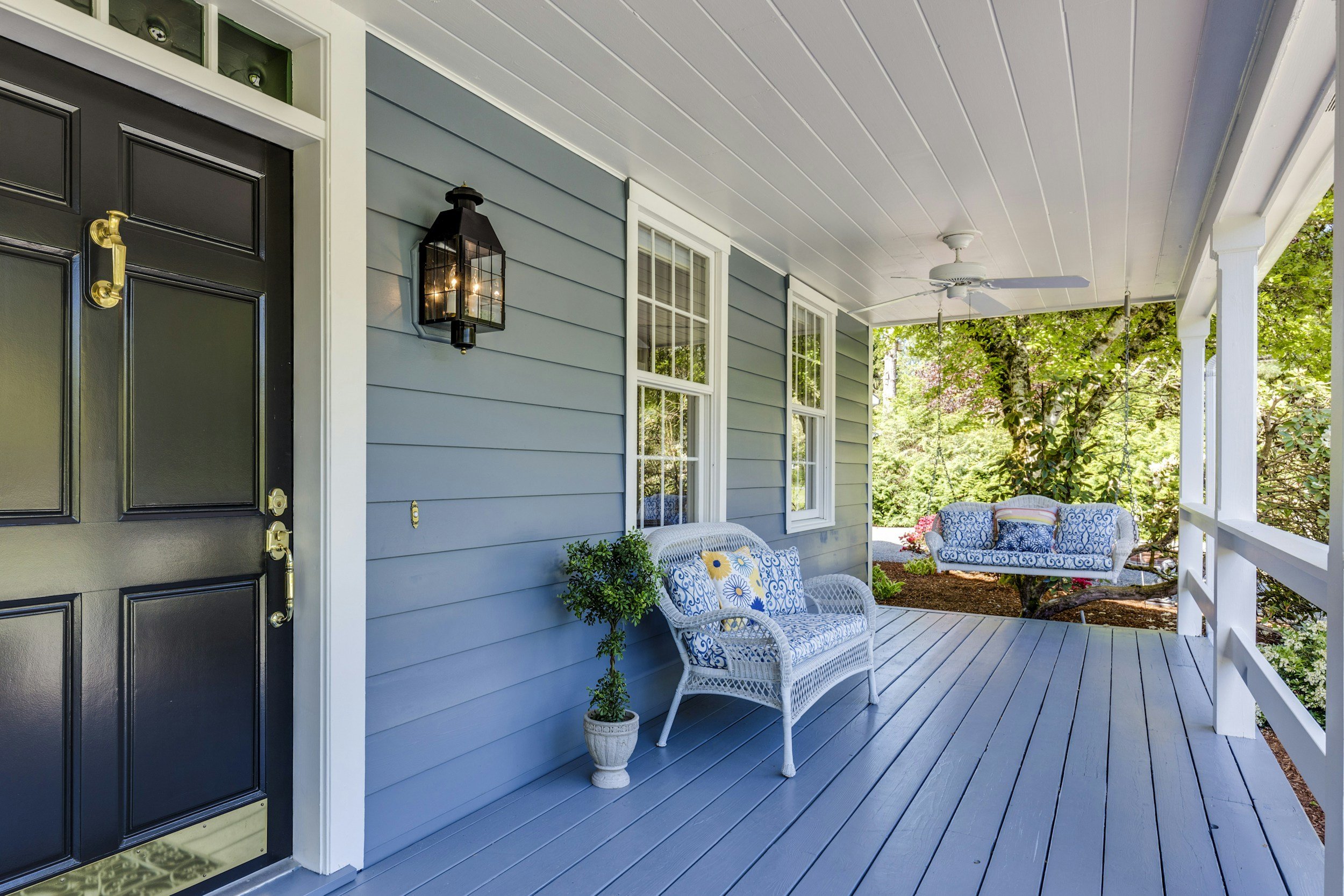
If you’re deciding between composite and wood decking, these are the core differences most homeowners care about:
Wood decks
Lower upfront cost
Natural appearance
Higher maintenance requirements
Shorter lifespan in wet climates
Composite decks
Higher upfront cost
Minimal ongoing maintenance
Strong resistance to moisture and rot
Longer lifespan with manufacturer warranties
Both materials are commonly used in the Pacific Northwest by deck builders, but they serve different priorities.
Cost Comparison: Wood vs Composite Decking (Per Square Foot)
Typical Installed Costs in Portland & Vancouver
For most residential decks using mid-range, commonly selected materials, homeowners can expect the following installed cost ranges from deck contractors:
Pressure-treated wood decks:
Approximately $25–$50 per square foot installed
Composite decking:
Approximately $40–$80 per square foot installed
These ranges typically include framing, decking boards, railings, and labor. Deck installation costs may increase for elevated decks, custom decks, complex layouts, or premium railing systems.
Maintenance and Lifespan in the Pacific Northwest
Wood Deck Maintenance Expectations
Wood decks require consistent upkeep in wet climates:
Staining or sealing every 1–3 years
Greater risk of rot, splintering, and moss growth
Increased maintenance costs over time
Without regular care, wood decks, especially shaded or north-facing ones, tend to deteriorate faster in Portland and Vancouver conditions.
Composite Deck Performance
Composite decking is designed to perform in moisture-heavy environments:
Resistant to rot, warping, and splintering
Does not absorb water like wood
Requires only occasional cleaning
Commonly backed by 20–25+ year warranties
For homeowners seeking low-maintenance outdoor living, composite decks generally outperform wood over the long term.
Which Decking Option Is Better for Portland & Vancouver Homes?
Wood decking may be a good fit if:
You’re working within a tighter upfront budget
You’re comfortable with routine maintenance
The deck is smaller or intended as a short- to mid-term solution
Composite decking is often the better choice if:
You want minimal ongoing maintenance
The deck is exposed to frequent rain or shade
Long-term durability is a priority
You plan to stay in the home for many years
Do I need a permit to build a deck in Portland, OR?
Usually, yes. In Portland, deck permitting depends primarily on height and attachment to the home.
Decks generally require a building permit when they are:
More than 30 inches above ground level
Attached to the house, regardless of height
Most properly permitted decks must include a site plan and basic structural drawings (including property lines), and inspections are required at key construction stages. While smaller, ground-level decks may not always require permits, confirming requirements early helps avoid delays, resale issues, or insurance complications later. Check with your local permitting office for more information.
Do I need a permit to build a deck in Vancouver, WA?
You will typically need a permit to build a deck in Vancouver, WA. Vancouver uses a slightly different threshold for deck permitting.
In many cases:
Detached decks 18 inches or less above grade may not require a permit
Attached decks or elevated decks typically do require a residential building permit
Even when a permit isn’t required, decks must still comply with zoning rules, setbacks, and safety standards. For larger or integrated deck projects, submitting plans and securing permits helps ensure the structure is code-compliant and fully documented for future inspections or property sales.
Why Building Permits Matter for Homeowners
Permits aren’t just paperwork; they protect homeowners by ensuring decks are built safely, structurally sound, and legally recognized improvements. Whether you’re building with wood or composite materials, understanding permit requirements upfront helps prevent costly rework and protects the long-term value of your home.
Composite vs Wood Decks: Long-Term Value
While wood decks cost less upfront, composite decks often provide stronger long-term value due to:
Reduced maintenance and repair costs
Longer usable lifespan
Better appearance retention in wet climates
Increased buyer appeal for low-maintenance homes
For many Portland and Vancouver homeowners, composite decking becomes the more cost-effective option over time.
In Summary
For Portland and Vancouver homes, composite decking typically offers better long-term performance, while wood decking remains a lower-cost entry option. Composite decks cost more initially but require significantly less maintenance and handle moisture far better in the Pacific Northwest. Wood decks can work well when properly maintained, but homeowners should plan for regular sealing and increased upkeep.
Regardless of whether you work with a deck builder in Portland or Vancouver, local building codes say that permits are typically required to build a new deck. Permit requirements depend on deck height and attachment, making early planning essential regardless of material choice.
