
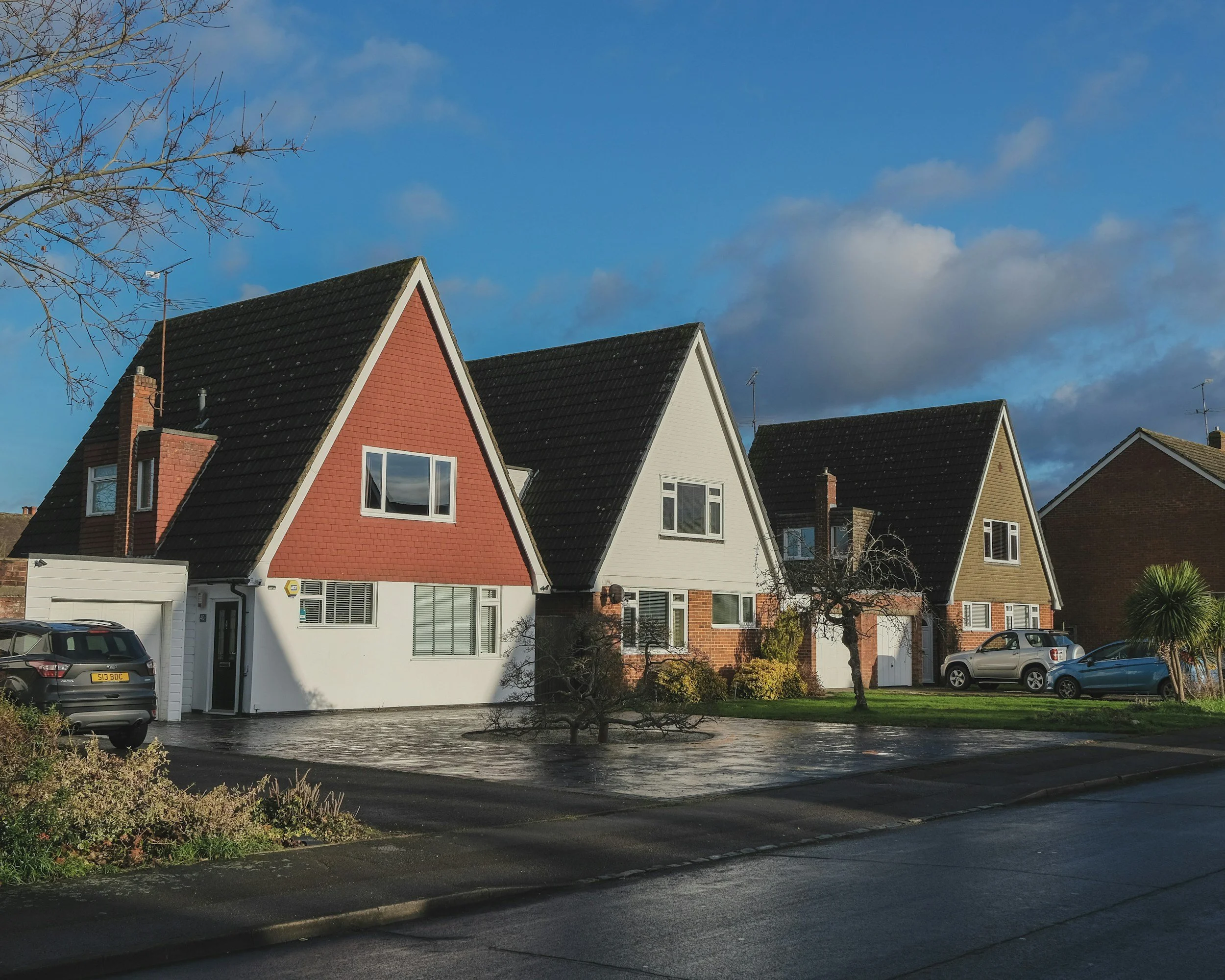
Adding a dormer is one of the most effective ways to expand the usable space in a home without increasing the footprint, a major advantage for homeowners in Portland, Oregon, and Vancouver, Washington, where lot constraints and zoning rules can limit traditional additions.
Whether you're hoping to finish an attic, create a legal bedroom, add a bathroom, or bring more natural light into your home, understanding the full cost of a dormer addition is essential. This guide breaks down the true cost of dormer additions in the Pacific Northwest, including structural work, interior finishing, permits, engineering, long-term maintenance, and return on investment.
Average Dormer Construction Cost in Portland & Vancouver
Dormer additions consist of three major cost components:
Exterior structural dormer build
Interior finishing
Design, engineering, and permits
The wide cost range comes from differences in size, scope, and finish level.
Portland, Oregon: Total Dormer Addition Cost
$35,000–$125,000+
Costs trend higher in Portland because:
Early 1900s–1950s homes often require structural reinforcement
Permitting is more complex and more expensive
Historic district reviews may apply
Many attics need insulation, electrical upgrades, or new ventilation
Vancouver, Washington: Total Dormer Addition Cost
$30,000–$110,000+
Costs trend slightly lower in Vancouver because:
Homes are generally newer
Fewer unexpected framing/electrical issues
Permitting is faster and less expensive
Dormer Size and Interior Finishes: The Two Biggest Cost Drivers
Dormer cost increases based on how large the dormer is and how the new space is finished. Below are separated exterior and interior cost ranges, so homeowners understand where the money goes.
Dormer Size (Exterior Structural Cost Only)
Small Dormer (4–8 ft wide)
Exterior: $20,000–$35,000
Used for small windows, ventilation, reading niches, or compact loft improvements.
Medium Dormer (8–14 ft wide)
Exterior: $28,000–$55,000
Ideal for bedrooms, offices, bonus rooms, and more spacious attic conversions.
Large / Full-Width Shed Dormer
Exterior: $45,000–$85,000+
Adds the most usable space and supports full attic-to-living conversions.
Interior Finishing Levels (Interior Cost Only)
Light Interior Finish
$12,000–$25,000
Drywall, paint, flooring, trim, and simple electrical.
Moderate Interior Finish (Bedroom/Office)
$18,000–$40,000
Electrical, flooring, insulation, HVAC adjustments, recessed lighting, and built-ins.
Bathroom Interior Finish
$25,000–$80,000+
Full plumbing, tile, ventilation, shower/tub, waterproofing, and electrical.
Why Size + Finishes Matter More in Portland & Vancouver
Portland homes (1910–1940 stock) often need:
Rafter reinforcement
Sistered joists
Electrical updates (sometimes knob-and-tube removal)
Improved ventilation
Drain relocation for new bathrooms
Siding replacement during dormer tie-in
Vancouver homes (1960–present) generally:
Need fewer electrical and plumbing upgrades
Have simpler roof structures
Have predictable framing, lowering labor costs
Permit Costs in Portland & Vancouver
Portland, Oregon
Building + structural permit
Mechanical permit
Electrical permit
Plumbing permit
Historic review, if applicable
Total: $5,000–$10,000
Vancouver, Washington / Clark County
Building permit
Mechanical permit
Electrical permit
Plumbing permit
Historic review if applicable (less common than Portland)
Total: $5,000–$10,000
Does a Dormer Add Square Footage?
A dormer adds legal square footage if:
Ceiling height meets 7 ft code requirements
Egress requirements are satisfied
Space is fully conditioned
Stair access is code-compliant
Dormer Addition ROI in Portland & Vancouver
Projects that add usable living space, especially new bedrooms and bathrooms, tend to deliver some of the strongest returns on investment for homeowners. While there isn’t dormer-specific ROI data published just for the Portland/Vancouver market, national remodeling reports consistently show that:
Projects that add finished square footage or highly usable space (like attic conversions and bedroom additions) often recoup a significant portion of their cost when the home is sold.
Bathroom additions and well-designed upper-level expansions can be especially attractive to buyers in competitive neighborhoods.
Because dormers often make an attic or half-story feel like an actual living space, and can even help create a code-compliant bedroom or bathroom, they tend to perform similarly to other “space-adding” projects from an ROI standpoint. Actual returns will vary based on the home, the quality of the work, and the neighborhood.
Dormers may be particularly attractive in high-demand areas where additional bedrooms, bathrooms, or flex spaces are at a premium, including:
Portland: Laurelhurst, Alberta Arts, Sellwood, Mt. Tabor, Hosford-Abernethy
Vancouver & Camas area: Camas, Felida, Vancouver Heights, Salmon Creek
Rather than guaranteeing a specific percentage return, it’s more accurate to say that a well-designed dormer home addition in these neighborhoods can make a home more functional, more appealing to buyers, and more competitive against other listings—especially when it adds a bedroom, bathroom, home office, or light-filled bonus space.
Factors That Increase or Decrease Dormer Cost
Roof pitch
Roofing material
Historic district rules
Age of the home
Plumbing/electrical accessibility
Structural condition of rafters
Weather exposure (Camas & Gorge areas require added waterproofing)
Long-Term Maintenance Costs in the PNW
Moss removal
Gutter cleaning (dormer valleys trap debris)
Higher reroofing cost due to dormer tie-ins
How Long Does a Dormer Addition Take to Complete?
Design + engineering: 1-4 weeks
Permitting:
Portland: 4–12+ weeks
Vancouver: 2–9+ weeks
Construction: 3–10 weeks
Total: 7–18+ weeks (permit timeline is the largest variable here, and is dependent on the capacity of your jurisdiction’s building permit office)
Budgeting Tips for Dormer Additions
Avoid starting during the heavy rain season
Add 10–20% contingency for structural surprises
Choose moisture-resistant materials
Confirm required permits early
Prioritize waterproofing
Dormer Home Addition Costs: FAQs
What is the cheapest type of dormer?
In most cases, the flat-roof dormer is the cheapest option because it requires less structural work, fewer roofing tie-ins, and a simpler framing process. Flat dormers are often used on mid-century homes, and low-slope roofs are frequently found in Southeast Portland and Vancouver’s suburban neighborhoods.
However, cost still depends heavily on:
Size of the dormer
Condition of the existing roof
Whether you are adding interior finishes (drywall, flooring, insulation)
Required building codes, such as egress windows or insulation R-values
Even the cheapest dormer type must meet local building codes, including waterproofing and energy efficiency requirements.
What’s the most expensive type of dormer?
The most expensive dormer types are typically:
Nantucket dormers
Bathroom dormers
Large, full-width shed dormers
Nantucket dormers involve complex roof geometry and require multiple roof planes, extensive waterproofing, and meticulous detailing, all of which drive up labor costs.
Bathroom dormers are expensive because they require:
Plumbing supply and drain lines
Ventilation
Waterproofing membranes
Tile installation
Electrical upgrades
Large shed dormers cost more depending on the size because they dramatically increase living space, require significant structural reinforcement, and often trigger higher dormer prices due to the scope of the remodeling project.
Do dormers add resale value to a house?
Yes, especially when they increase square footage or create a new legal bedroom or bathroom. Adding a dormer can make previously unusable attic space functional, improving both layout and appraisal value.
A dormer often boosts resale value by:
Increasing natural light and ventilation
Creating a more modern, open feel
Improving exterior aesthetic appeal
Complying with building codes to convert space to a habitable area
In Portland neighborhoods like Laurelhurst, Mt. Tabor, and Sellwood, where many homes lack upstairs bathrooms or full-height bedrooms, a dormer addition can significantly raise the home’s average cost recovery.
How long does construction take for a dormer addition?
Most dormer projects take 3–10 weeks after permit approval. The timeline varies based on dormer type, size, roof complexity, and weather conditions.
Typical breakdown:
Design & engineering: 1–4 weeks
Permits (Portland): 4–12+ weeks
Construction: 3–10 weeks
Inspection scheduling: Adds intermittent delays
Homes with hipped roofs, complex tie-ins, or older framing often take longer because the existing roof structure needs reinforcement.
How much does it cost to add a full dormer?
The cost of adding a full dormer (especially a full-width shed dormer) typically ranges from $75,000–$180,000+, depending on:
Dormer size
Condition of the existing roof
Type of interior finishes
Whether the project adds a bedroom or bathroom
Local labor rates and building codes
Full dormers require extensive structural work, roofing adjustments, and insulation upgrades, often transforming an attic into a full second story.
Do I need a permit to add a dormer in Portland or Vancouver?
Yes. Any dormer addition requires a permit because you are:
Cutting into the roof
Changing the home’s structural load
Altering exterior appearance
Adding a conditioned living space
Portland BDS requires:
Building permit
Structural engineering
Electrical permit
Plumbing/mechanical permits (if applicable)
Vancouver/Clark County requires similar permits but generally processes them faster.
Failing to pull permits can cause appraisal issues, insurance problems, and resale complications later.
Does the size of the dormer affect the total cost?
Absolutely. Dormer costs scale dramatically with size. Larger dormers require more:
Framing
Roofing integration
Siding
Insulation
Drywall
Interior finishing
Even an 8-foot difference in width can raise dormer prices by $10,000–$35,000+, especially when converting attic spaces to bedrooms or offices.
Which dormer type adds the most usable living space?
A full-width shed dormer adds the most living space because:
Its roof pitch matches (or gently slopes with) the existing roof
It dramatically increases headroom
It opens up entire attic floors
Shed dormers are commonly used for attic conversions, new bedrooms, home offices, or studio spaces. They generally offer the best return on investment because they maximize usable square footage.
Can any roof support a dormer, or are some roofs easier than others?
Not all roofs are equally suited for dormers.
Easiest roofs to add a dormer to:
Gabled dormers (paired with gable roofs)
Standard pitched roofs
Most bungalow and Craftsman roofs
More challenging roofs:
Hipped roofs (require more framing changes)
Low-slope roofs
Truss roofs (“scissor trusses” especially)
Roof structure plays a major role in labor costs, engineering needs, and overall feasibility.
Does adding a dormer increase heating and cooling costs?
It can, but properly built dormers include:
Code-required insulation
Air sealing
Ventilation improvements
Energy-efficient windows
Many Portland and Vancouver homeowners actually report better temperature balance upstairs after adding a dormer because the space becomes properly conditioned for the first time.
Can a dormer be added to an attic that already has limited headroom?
Yes, this is one of the primary reasons homeowners add dormers.
Even a small or medium shed dormer can create enough height for:
A legal bedroom
A small bathroom
A home office
This is common in SE Portland’s steep-roof bungalows and NE Portland’s Cape Cod homes.
