
Basement Remodel Checklist for Portland & Vancouver
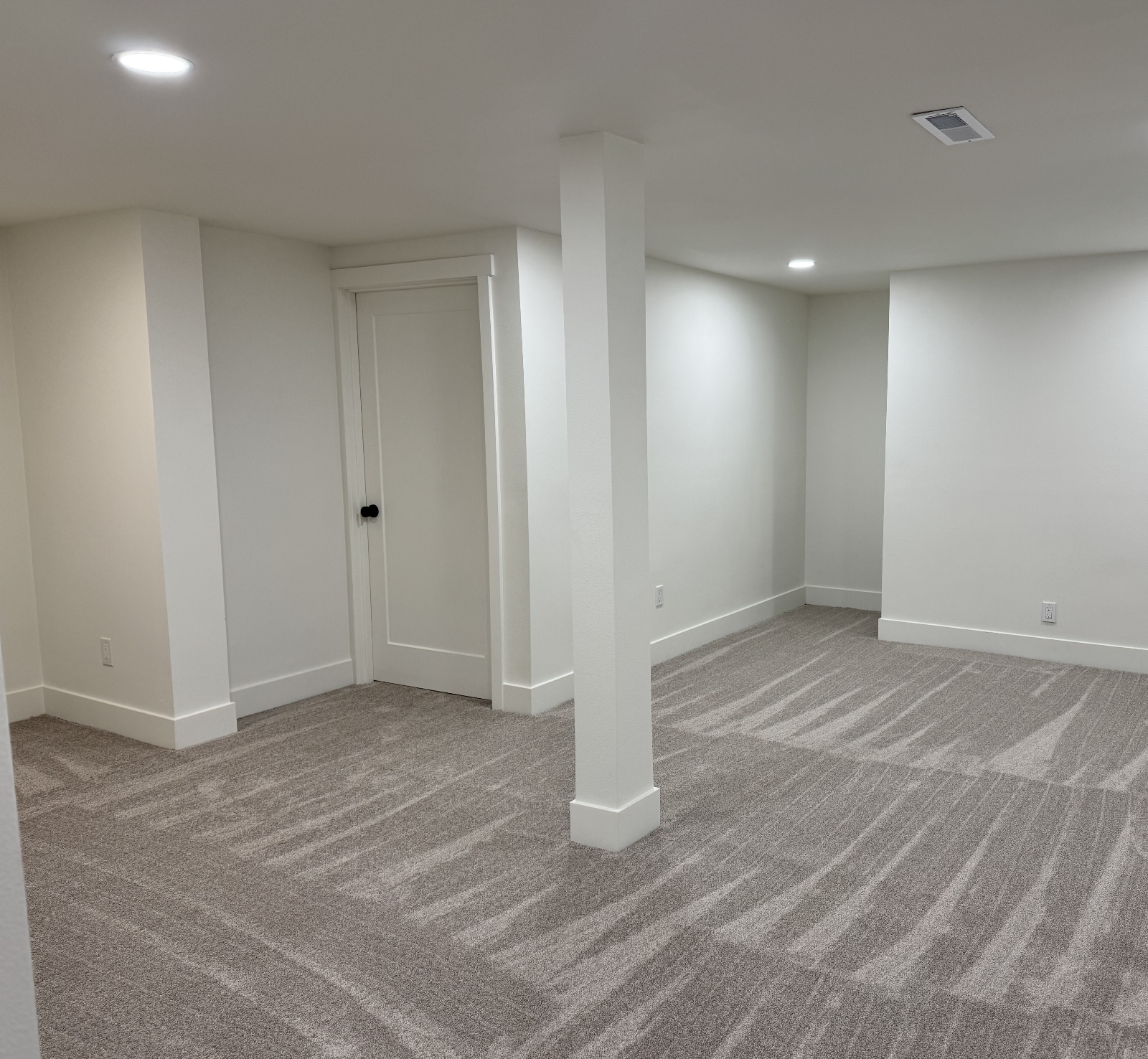
What to Check Before You Hire a Contractor
Finishing a basement in the Pacific Northwest is one of the most innovative ways to add usable square footage and increase your home’s value. But Portland and Vancouver each follow their own versions of the residential local building code, and most basements do not naturally meet the requirements for a legal, “habitable” space.
This guide breaks everything down into simple, homeowner-friendly terms so you can evaluate your basement before meeting with a contractor. And don’t worry, almost every basement has issues at first. Low ceilings, narrow stairs, small windows, and moisture are standard in older PNW homes. There are usually fixes, workarounds, or design solutions that help bring spaces into compliance with code.
You can skip directly to your city:
Basement Remodel Checklist: Portland, Oregon
Basement Remodel Checklist: Vancouver, Washington
Before You Start: Don’t Get Discouraged by Code Requirements
Most homeowners are surprised when they first measure their basement.
Common issues include:
- Steep or narrow stairs
- Low ceilings under ducts or beams
- Small windows that fail light or egress requirements
- Damp walls
- Insufficient ventilation
- Old electrical panels with no breaker space
This does not mean your basement can’t be remodeled.
There are solutions for nearly every issue: new windows, stair modifications, ductwork adjustments, moisture mitigation, or reconfiguring layouts. Amplified Renovations helps Portland and Vancouver clients work through these challenges every week.
Let’s walk through the exact items you should check.
Basement Remodel Steps Checklist: Portland, Oregon
Based on the Portland Bureau of Development Services Habitable Space Code Guide (BCG 96-12)” and Oregon Residential Specialty Code (ORSC).
1. Basement Ceiling Height Requirements (Portland)
The Rule (Simplified):
Most of the basement space you want to remodel must have a minimum ceiling height of 6 ft 8 in.
Portland allows some exceptions:
- Beams, ducts, pipes, and soffits may be lower if they don't cover too much area.
- For sloped ceilings, at least 50% of the room must meet 6 ft 8 in.
- Anything under 5 ft tall is not counted as usable space.
How to Measure It:
- Stand in the area with the lowest ceiling element (beam, duct, etc.).
- Place your tape measure on the floor and measure straight up.
- Repeat in several locations, especially under beams or mechanicals.
What If My Basement Doesn’t Meet This?
Common solutions:
- Reroute or reframe ductwork
- Replace bulky ducts with slimline options
- Remove a dropped ceiling
- Adjust floor thickness
- Lower the basement slab (major structural work but possible)
Most Portland low ceiling basement remodels with height challenges still remodel very successfully.
2. Stair Requirements (Portland)
Basement stairs are one of the biggest remodel obstacles, but most issues have solutions.
Portland Minimums:
- 30 in minimum clear width
- 9 in maximum riser height
- 9 in minimum tread depth
- 6 ft 2 in minimum headroom
- Landings must be 30 in x 30 in minimum
How to Measure Your Stairs:
A. Width
Measure from finished wall to finished wall (or wall to railing face). Typical basement stairs in older homes are 27–29 in wide, just below modern requirements.
B. Riser Height
Measure from the top of one tread to the top of the next tread. Do this on several steps to ensure consistency.
C. Tread Depth
Measure from the front nose of the tread to the back edge.
D. Headroom
This is where homeowners often get confused.
How to measure headroom:
- Go to the stair tread under the lowest point of the ceiling.
- Put your tape measure on that tread.
- Measure straight up, perpendicular to the tread, not diagonally.
What If My Stairs Don’t Meet Code?
Options include:
- Extending the stair run to reduce steepness
- Rebuilding stringers
- Moving the stairway to a better location
- Reframing overhead joists to increase headroom
- Adjusting or relocating ductwork
- Adding a landing and reconfiguring the geometry
Important: Portland’s covenant exception does not apply to stairways, unsafe stairs must be corrected.
3. Windows, Light & Ventilation (Portland)
Natural Light Requirement
Windows must equal at least 6.8% of the room’s floor area.
Example:
A 10 ft x 12 ft room = 120 sq ft
120 sq ft × 0.068 = 8.16 sq ft of glass required
A common 36" x 24" window = 6 sq ft (not enough).
Ventilation Requirement
If you’re using windows instead of mechanical ventilation:
- Openable windows must equal 2.5% of floor area.
Using the same example:
120 sq ft × 0.025 = 3 sq ft of operable window.
How to Calculate It
- Multiply room length × width.
- Multiply that number by the required percent.
- Compare that to your window size (width × height in feet).
Egress (Bedrooms Only)
- Must be at least 5.7 sq ft clear opening
- Sill must be 44 in or lower from finished floor
- Window well must meet minimum dimensions
What If My Windows Are Too Small?
Fixes include:
- Enlarging existing windows
- Cutting into the foundation to install larger windows
- Adding a compliant window well
- Installing a new exterior door as the egress
- Using mechanical ventilation for non-bedroom spaces
Most Portland basements need at least one window change to meet light or egress code.
4. Insulation & Moisture Control (Portland)
Requirements (Simplified):
- Exterior walls must be framed out with 2x4 studs, spaced slightly off concrete.
- Must be insulated to R-15 (or existing R-11 if adequate).
- Vapor barriers required depending on assembly type.
- Slab floors may need vapor barriers and insulation if adding finished flooring.
What If My Basement Has Moisture?
Most Portland basements do. Solutions include:
- Interior waterproofing
- French drains
- Vapor barriers on walls and floors
- Dehumidification systems
- Downspout re-routing
- Sump pumps (if water intrusion is ongoing)
5. Code Exceptions & Appeals (Portland)
Portland allows covenants for certain non-compliant conditions (like slightly low ceilings or limited natural light), but not for stairs.
If your basement falls just short of a measurement, Portland may still allow remodeling under specific conditions.
6. Basement Remodel Permits & Inspections (Portland)
You need permits for:
- Converting non-habitable space to habitable space
- Electrical upgrades
- Added plumbing
- Egress window installation
- Structural changes (joists, beams, stairs.)
Expect multiple inspections.
7. Portland-Specific Basement Challenges
- Low ceilings + bulky ductwork
- Radon concerns
- Moisture and drainage issues
- Old electrical panels
- Slab floors needing insulation
Basement Remodel Checklist: Vancouver, Washington
Vancouver uses the International Residential Code (IRC) with Washington amendments, which are slightly different from Portland’s standards.
1. Ceiling Height Requirements (Vancouver)
The Rule:
- Minimum 7 ft ceiling height for habitable space
- Some basements may qualify with 6 ft 8 in minimum height
- Portions below 5 ft don’t count
How to Measure It
- Measure at the lowest point
- Measure straight up
- Repeat under beams or ducts
What If It Doesn’t Meet This?
Fixes mirror Portland:
- Ductwork adjustments
- Slab lowering
- Reframing overhead members
- Redesigning layout to concentrate habitable areas where ceilings are higher
2. Stair Requirements (Vancouver)
Vancouver follows stricter modern IRC rules:
Minimums:
- 36 in clear width
- 7 ¾ in maximum riser height
- 10 in minimum tread depth
- 6 ft 8 in minimum headroom
How to Measure Width, Treads, Risers & Headroom
Same as Portland (Click here to go to instructions).
What If My Stairs Don’t Meet Code?
Vancouver is generally stricter than Portland, but solutions include:
- Rebuilding the stair run
- Extending the stairs
- Changing layout to gain headroom
- Reframing or relocating overhead beams
- Requesting alternative method approval (case-by-case)
3. Windows, Natural Light & Ventilation (Vancouver)
Natural Light Requirement
Windows must equal 8% of the room’s floor area.
Using the same 10' x 12' = 120 sq ft example:
120 sq ft × 0.08 = 9.6 sq ft of window area.
Ventilation Requirement
Operable windows must equal 4% of floor area unless mechanical ventilation is installed.
Egress
Same as IRC:
- 5.7 sq ft clear opening
- 44 in max sill height
- Proper window well sizing
What If My Windows Are Too Small?
Same solutions as Portland:
- Replace with larger windows
- Add new window wells
- Install an exterior door
- Use mechanical ventilation in non-sleeping rooms
4. Insulation & Moisture Control (Vancouver)
Requirements
- Basement walls must typically meet R-10 continuous or R-13 cavity insulation
- Vapor barriers required depending on assembly
- Moisture control is essential due to clay-rich soils
What If I Have Moisture or Cold Walls?
Common fixes include:
- Exterior drainage improvements
- Wall vapor barriers
- Interior waterproofing
- Subfloor insulation
- Dehumidifiers
5. Code Exceptions & Variances (Vancouver)
Vancouver does not have Portland's covenant option. Stairs and egress usually must meet modern IRC requirements.
6. Permits & Inspections (Vancouver)
Permits required for:
- Basement finishing
- Electrical
- Plumbing
- Mechanical systems
- Structural modifications
- Egress installation
Expect inspection at each stage.
7. Vancouver-Specific Basement Challenges
- Moisture due to clay soil
- Drainage issues against exterior walls
- Lower radon risk than Portland but still present in pockets
- Many daylight basements, easier for egress
Quick Homeowner Checklist Before Calling a Contractor
- Measure ceiling height in several locations
- Check stair width, steepness, and headroom
- Measure your windows and compare to floor area
- Check sill height for potential bedrooms
- Note any moisture, leaks, or musty smells
- Check where your main drain line is (floor vs ceiling)
- Look at your electrical panel for open breaker slots
- Photograph anything unusual
Need Help Understanding Your Basement?
Basement remodels are one of the most code-driven projects in residential construction. Amplified Renovations helps Portland and Vancouver homeowners evaluate:
Ceiling height feasibility
Stair safety and redesign options
Egress window placement and sizing
Plumbing and bathroom layout
Moisture and drainage requirements
Electrical panel needs
Budget ranges and project timelines
Schedule your basement remodel consultation to get expert guidance before you start, and avoid costly surprises later.
